Inked Insights
What to Know About Popular Body Piercings
Share this post!
The Most Popular Body Piercings: Modern Styles, Safety, and the Inked Standard
Body piercings are a powerful way to define your personal style. Whether you are looking for the understated elegance of a solid gold nostril stud or a complex, multi-piercing ear curation, a piercing is a permanent addition to your body. That means it requires more than just a quick trip to a mall kiosk. Your body deserves professional expertise and an artistic touch.
Whether you’re walking the streets of NYC or hitting the Strip in Las Vegas, at Inked Studios, we don’t just poke holes. We focus on precision, medical-grade hygiene, and the kind of expert aftercare that keeps your new jewelry looking fresh for years.
In this guide, we’re breaking down the most popular piercing types and showing you why the Inked Standard is the benchmark for the best piercing services in the industry.
The Anatomy-First Philosophy: Finding Your Perfect Placement
One thing many people don’t realize is that piercing placement depends entirely on your unique physical structure. A pro piercer won’t just blindly follow a photo you found on Pinterest. They’ll look at your bone structure and tissue density to make sure the jewelry sits perfectly and won’t get rejected by your body.
1. Ear Piercings and Curation
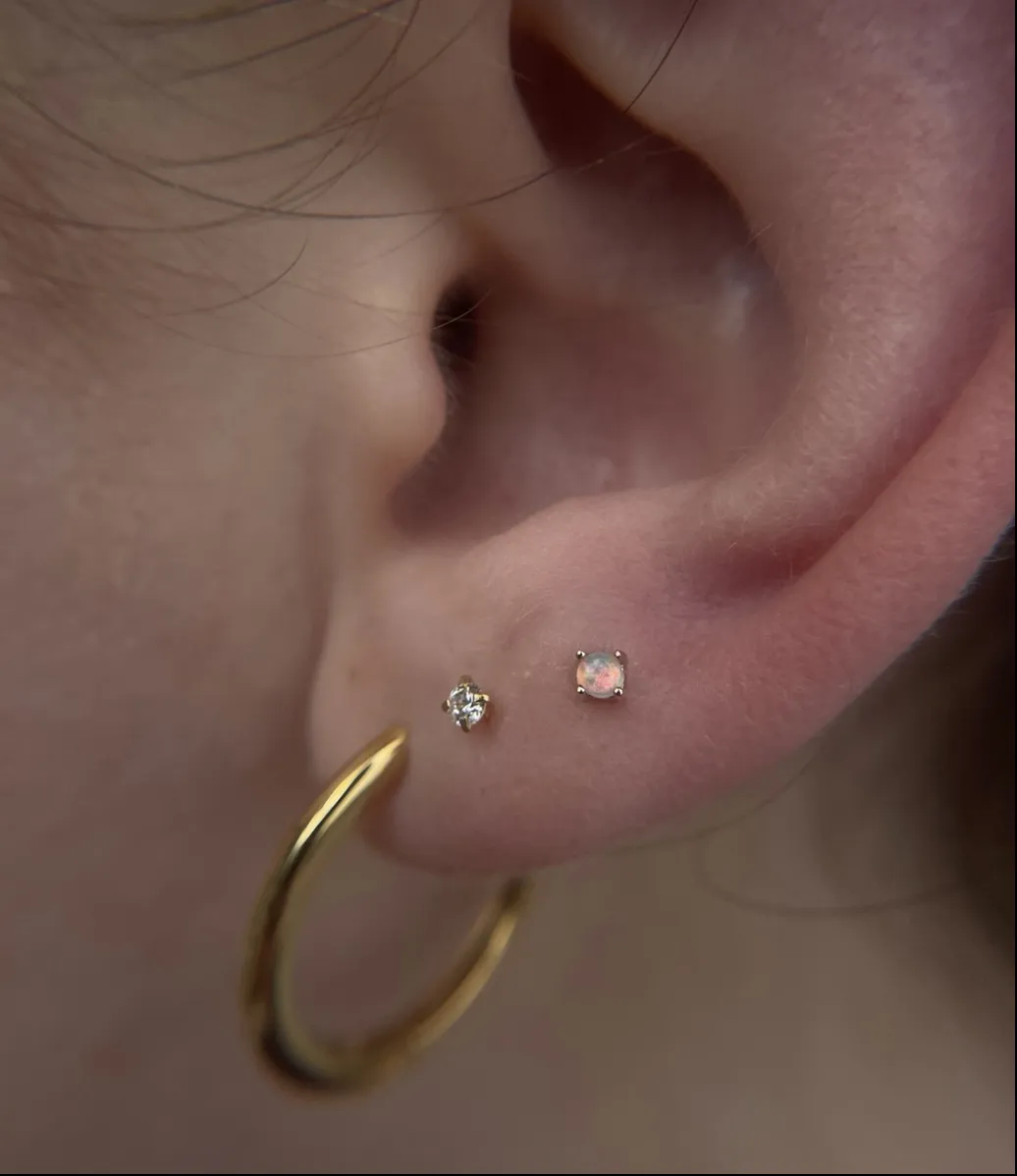
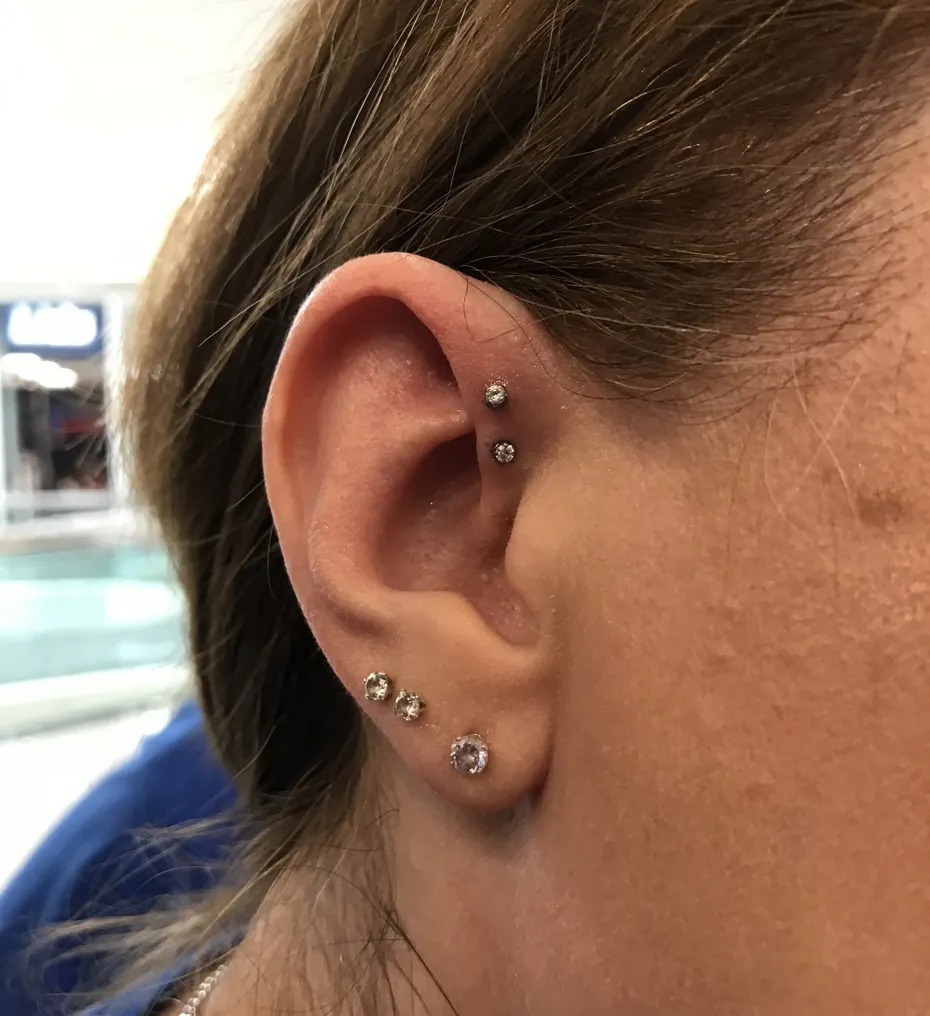
Ear curation has evolved into a high-fashion art form. Beyond the standard lobe, many clients now opt for multi-piercing projects that might include:
- Helix and Forward Helix: These sit along the upper rim or the inner curve of your ear.
- Industrial: A straight barbell connecting two separate piercings. This one is tricky because it requires a specific ear shape to avoid constant pressure and irritation.
- Daith and Tragus: These live in the inner ear. They look amazing, but they require a piercer who really knows their way around deep-tissue placement.
2. Facial and Nose Piercings
Facial piercings are all about highlighting your best features, using expert placement to complement your natural bone structure.
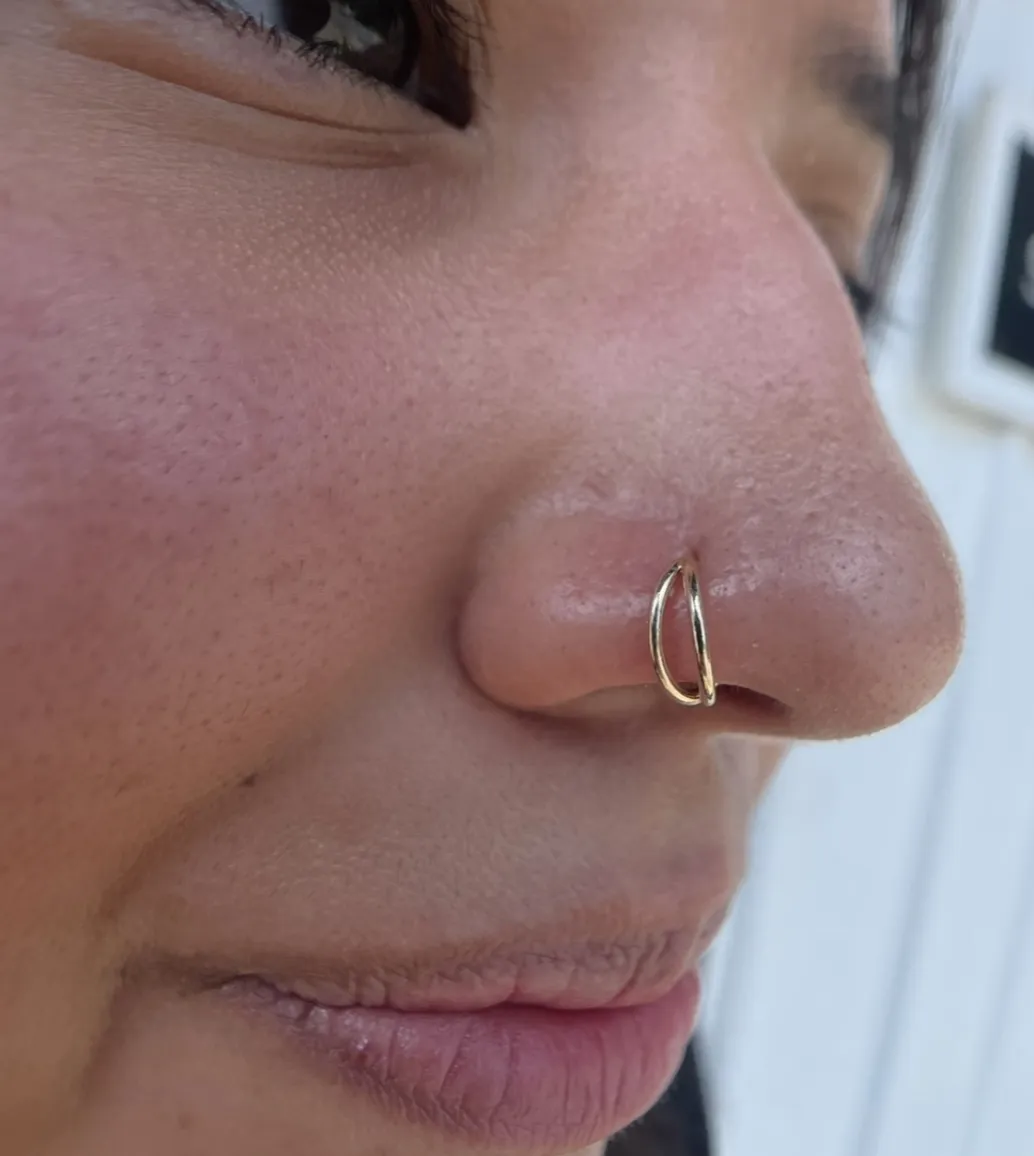
- Nostril and Septum: The septum is all about finding the sweet spot. It should pass through the thin strip of skin in front of the hard cartilage, not the cartilage itself.
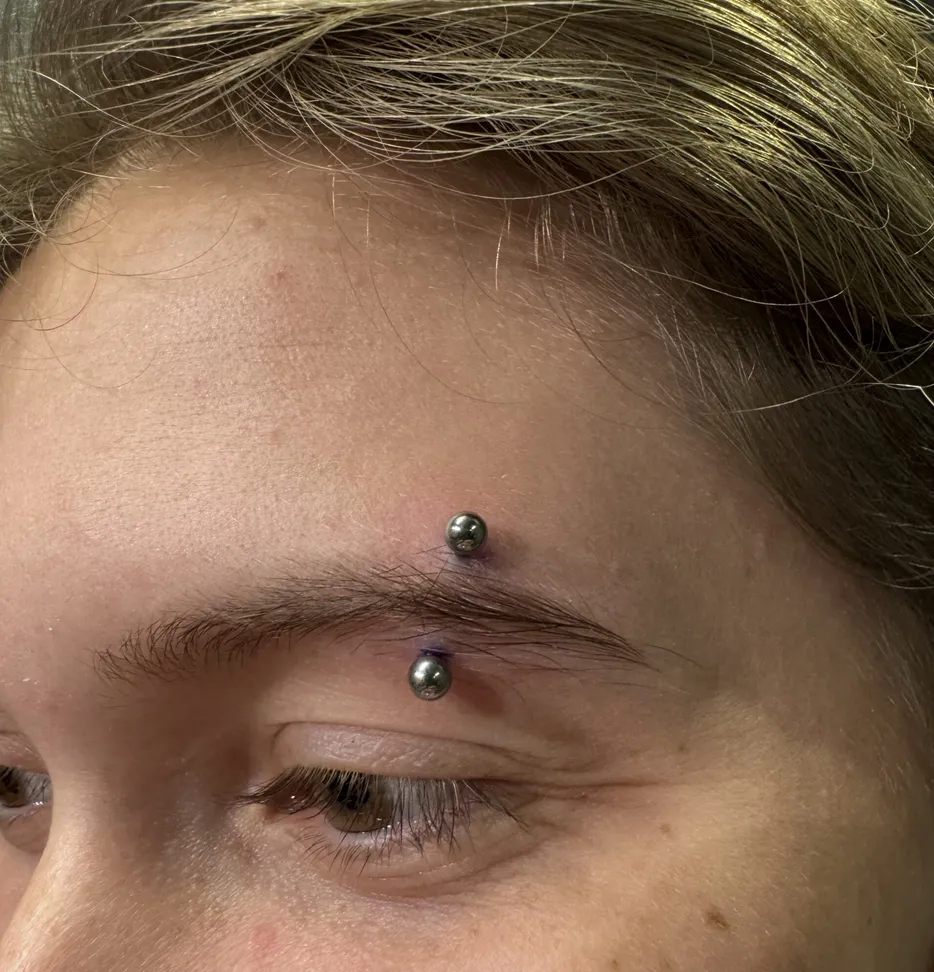
- Eyebrow: A classic choice for an edgy look. Since these are surface piercings, they can migrate if the jewelry isn’t high-quality or if they get snagged.
- Philtrum (Medusa): This sits right in the center of the upper lip. It’s all about facial symmetry, so the vertical alignment has to be spot on.
3. Navel Piercings
Navel piercings are a summer staple, but they aren’t one-size-fits-all. Expert piercers need to see how you move; if your navel collapses or folds when you sit down, you might need floating navel jewelry to keep the piercing from being pushed out.
The Science of Healing: What Your Body is Actually Doing
When you get pierced, your body goes into repair mode. It undergoes a process called epithelialization, which is a fancy way of saying it’s growing a tube of skin—called a fistula—from one side of the hole to the other.
Average Healing Timelines
The Inked Standard: Why Where You Go Matters
The quality of your piercing experience depends on the studio’s commitment to safety and craftsmanship. Inked Studios maintains rigorous protocols that exceed standard health codes to provide the highest level of protection for our clients.
1. Sterile Needle Technology
You’ll never find a piercing gun at an Inked location. Guns use blunt force to ram a dull stud through your skin, which causes unnecessary trauma and scarring. We use single-use, hollow surgical needles. They core the tissue cleanly, which leads to much faster, flatter healing.
2. Jewelry That Actually Works With Your Body
A lot of the steel jewelry you find in retail shops doesn’t actually meet implant-grade material requirements, such as those set by the International Organization for Standardization (ISO) and American Society for Testing and Materials (ASTM). That cheap metal can release nickel into your body, leading to itching, redness, and rejection.
To ensure a safe and healthy healing process, we exclusively use high-quality piercing jewelrythat meets the highest industry standards.
- Titanium Is the Gold Standard: We use implant-grade Titanium because it’s biocompatible and nickel-free.
- Solid Gold: We use 14k or 18k solid gold. Unlike gold-plated jewelry, which can wear down and expose reactive base metals to your skin, solid gold is consistent throughout.
3. Real-Time Sterilization
The best studios use a Statim Autoclave to sterilize every piece of jewelry and tool right before they use it. You should always see a sterilization pouch being opened right in front of you.
Body Piercing Aftercare: The LITHA Method
The number one mistake people make is over-cleaning. If you use harsh stuff like alcohol or peroxide, you’re actually killing the new skin cells your body is trying to grow.
- The LITHA Method: Leave It The Hell Alone. Don’t touch it, don’t twist it, don’t turn it.
- Saline Only: Use a sterile saline wound wash twice a day. That’s it.
- Keep it Dry: Bacteria love moisture. After you clean it, gently pat the area dry with a disposable paper towel. Avoid cloth towels; they harbor bacteria and love to snag on new jewelry.
Your New Favorite Piercing Starts Here
A great piercing is a partnership. We provide the technical skill and the sterile environment, and you provide the patience and the aftercare. By choosing high-quality jewelry and an established studio like Inked, you’re making an investment in your body that will look great for a lifetime.
Ready to map out your ear curation or finally get that nose piercing?
Book a consultation with our expert piercers at Inked Studios today!
Frequently Asked Questions
How do I know if my piercing is infected or just healing?
It is normal to experience some redness, swelling, and “crusties” (clear or pale yellow fluid that has dried) during the first few weeks. However, if you notice thick green or yellow discharge, extreme heat around the site, or red streaks radiating from the piercing, you should contact your piercer or a healthcare professional immediately.
When can I change my jewelry for the first time?
Patience is key. While you might be eager to swap out your initial stud for a new hoop, changing jewelry too early can damage the fragile fistula and cause the piercing to close. We recommend waiting until the initial healing phase is complete—typically 6 to 10 weeks for lobes and 3 to 6 months for cartilage or nose piercings.
Does the material of the jewelry really matter after the piercing is healed?
Yes. Even a healed piercing can react to low-quality metals. Using high-quality piercing jewelry like implant-grade titanium or solid gold prevents long-term irritation and ensures the skin inside the piercing stays healthy and stable.
Why shouldn’t I use a piercing gun?
Piercing guns use blunt force to push a dull earring through your tissue, which causes significant trauma and increases the risk of jagged scarring. At Inked, we use hollow, sterilized needles that create a clean, precise opening, which promotes much smoother healing and better placement.
Can I go swimming after getting a new piercing?
We recommend staying out of pools, hot tubs, lakes, and the ocean for at least 4 to 6 weeks. These bodies of water harbor bacteria that can easily enter a fresh piercing and cause a serious infection. If you must get wet, use a waterproof bandage and clean the area with saline immediately afterward.