
Inked Insights
Tattoo Studio Hygiene & Safety: What to Look for
Share this post!
Tattoo Studio Hygiene & Safety: What You Need to Know
How do you know if a tattoo studio is actually safe? While most people spend weeks obsessing over the perfect design or the right artist, one of the most critical parts of the process happens before the needle even touches your skin. A tattoo is technically a medical procedure—it’s an intentional break in the skin barrier—and in a high-end environment, it should be treated with the same sterile precision as a clinical setting.
At Inked Tattoo Studios, world-class art is inseparable from world-class hygiene. Safety isn’t simply a checklist we follow to pass an inspection; it is a non-negotiable commitment to protecting each client’s health and the integrity of their new ink. Whether you are a first-timer or a seasoned collector, knowing exactly what to look for in a professional tattoo studio is the only way to book with total confidence. This guide breaks down the gold standards of tattoo safety, from medical-grade sterilization to the essential role you play in the healing process.
The Baseline: Professional Studio Standards
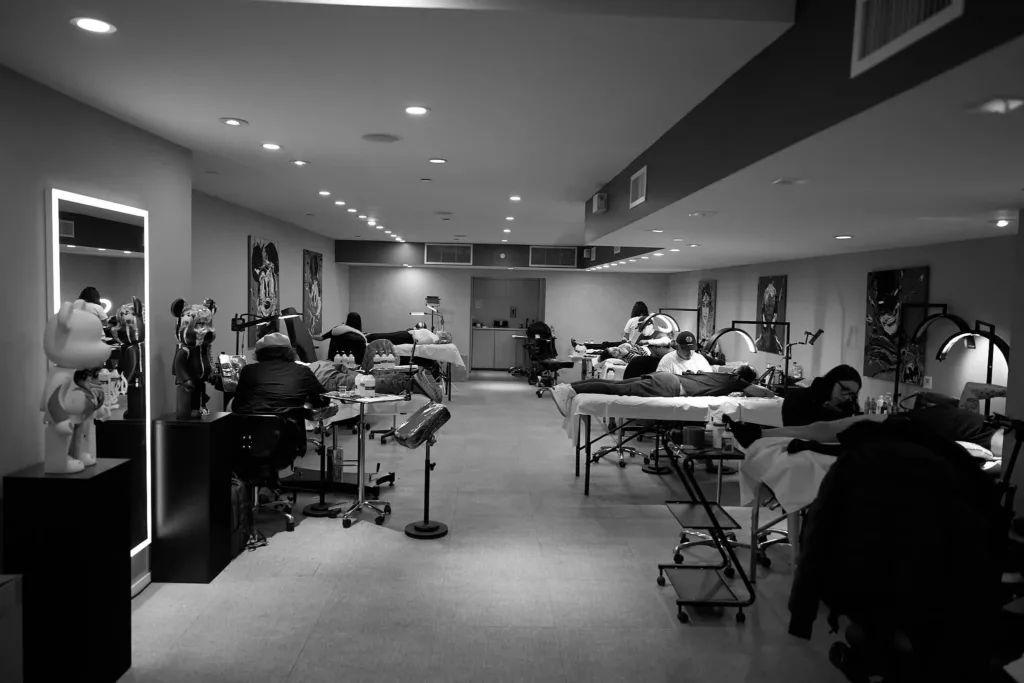
No matter how you book your appointment, professional shop standards should be consistent from start to finish. A reputable studio operates as a sterile, high-end environment where intentional safety protocols are the baseline for every session. When you walk into a professional studio, the atmosphere should reflect a commitment to health that matches the quality of the art.
When evaluating a shop, look for an environment that meets these criteria:
- Clean and Organized: The space should be well-maintained and intentionally laid out to prevent cross-contamination between workstations.
- Transparent Communication: Artists should be happy to answer questions about their hygiene standards and sterilization processes without hesitation.
- Regulatory Compliance: The studio should adhere to all local health department regulations and maintain high-end resources for constant sanitation.
- Professionalism: From the front desk to the artist’s chair, the reputation for professionalism should be backed by client reviews and a clean, intentional space.
What to Watch for During Your Session
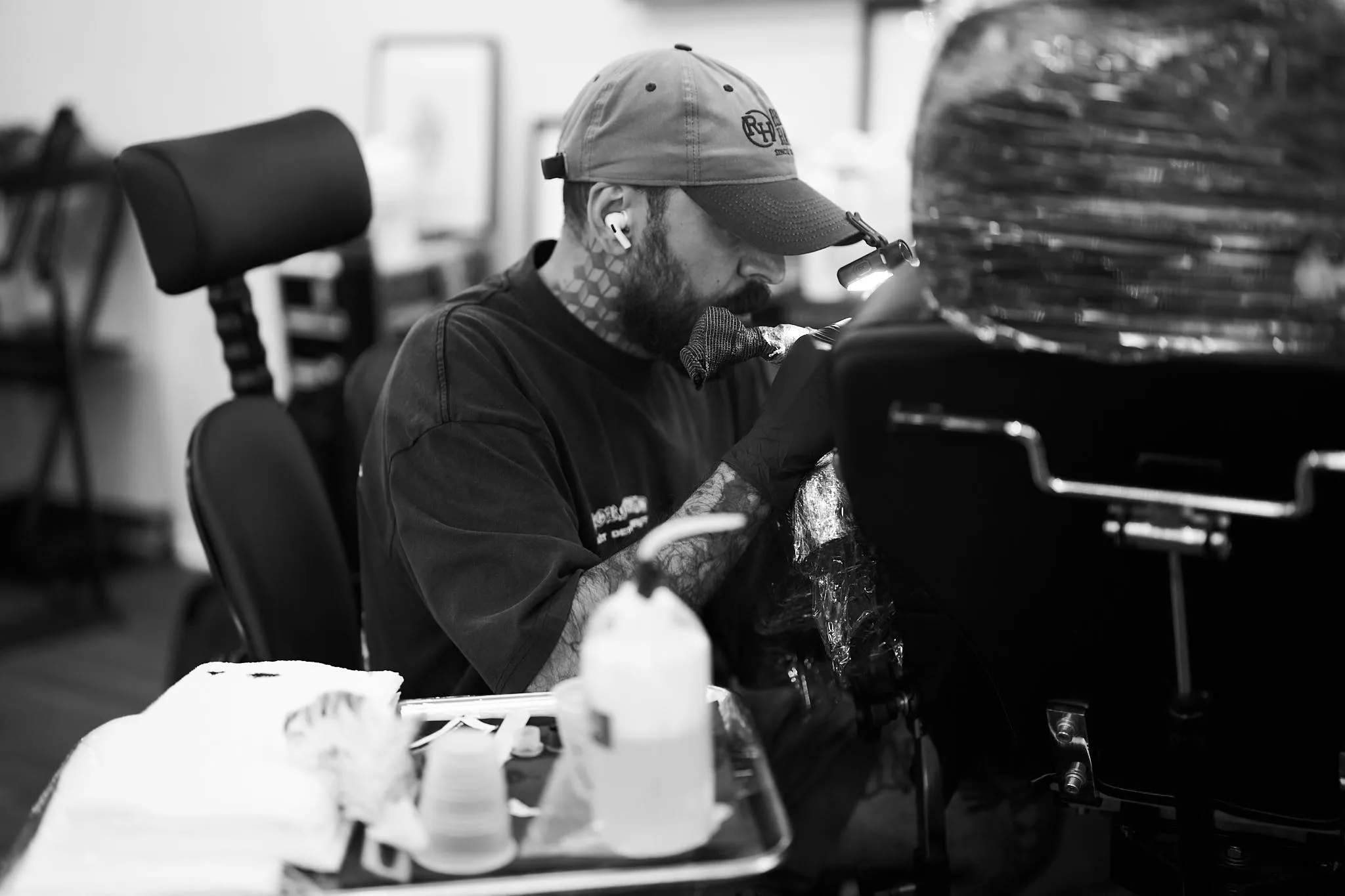
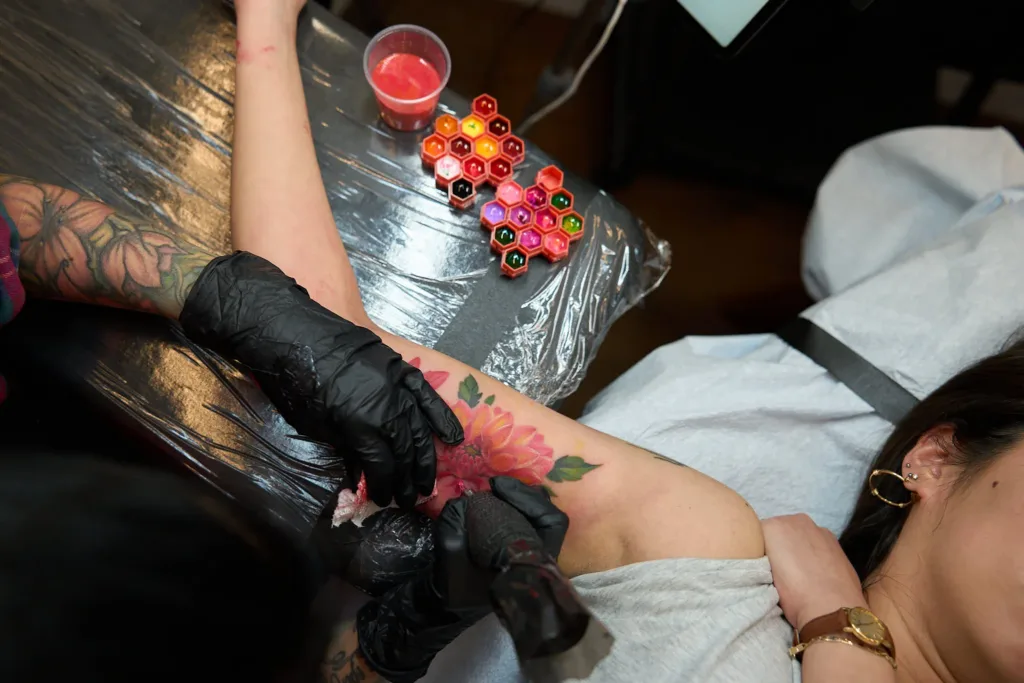
Safety is a hands-on process that requires constant vigilance from the artist. During your appointment, pay close attention to the tools and techniques being used. A professional tattoo artist will always prioritize your health through several non-negotiable steps:
- Single-Use Equipment: You should always see your artist opening fresh, sterile, single-use needles for every session.
- Protective Barriers: Artists must wear fresh, medical-grade gloves throughout the entire tattooing process. If they touch anything outside the sterile field, they should change their gloves immediately.
- Disinfected Gear: All non-disposable equipment, such as the tattoo machine and the furniture, should be thoroughly disinfected and covered in protective plastic barriers.
- Fresh Pigments: Ink should be poured into small, disposable caps for your specific session; an artist should never “double-dip” into a main ink bottle.
The Role of the Tattoo Minimum
It’s a question we get all the time: Why do I have to pay a shop minimum for a tiny tattoo? At Inked, our $200 shop minimum directly supports these elite safety standards. This base fee covers the non-negotiable costs of every appointment, regardless of the tattoo’s size.
The minimum ensures that even a small minimalist piece receives the same medical-grade disinfectant, high-end pigments, and sterile setup as a full-back project. Even if a tattoo only takes fifteen minutes to apply, the preparation and sanitation protocols remain exactly the same. We never compromise on the hygienic, high-end environment you expect when you walk through our doors.
Your Responsibility: Pre-Session Prep
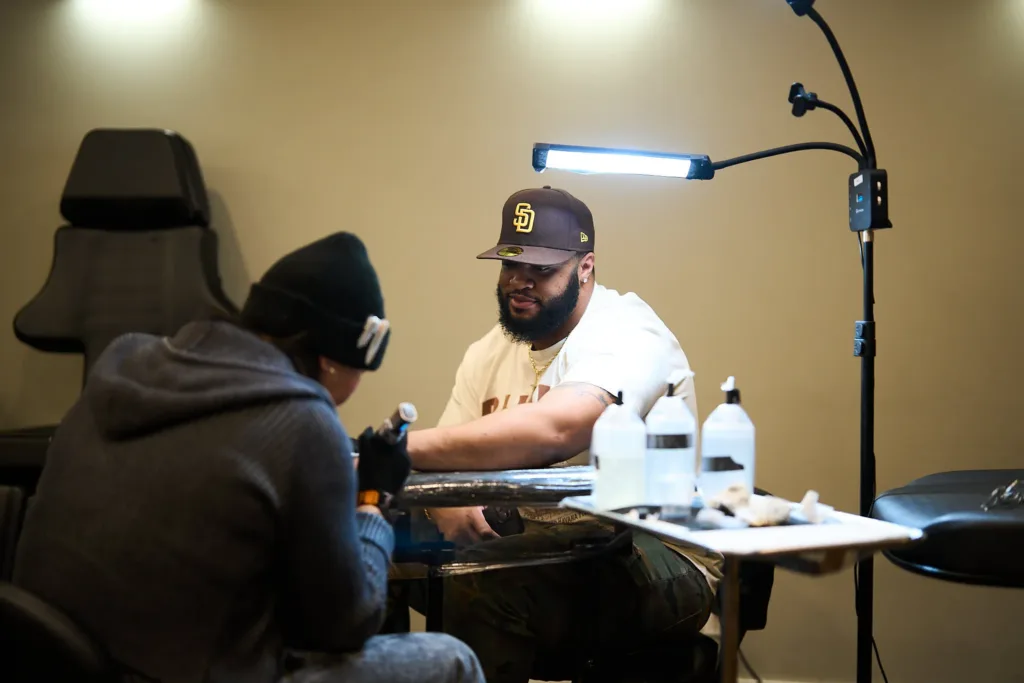
Safety and successful healing also depend on how you treat your body in the days leading up to the session. Arriving in peak physical condition directly impacts how well your skin takes the ink and how your body handles the stress of the needle.
- Hydrate Constantly: Drink plenty of water for 48–72 hours before your session to keep your skin supple and ready to take ink.
- Eat a Protein-Rich Meal: Arriving with a full stomach is your best defense against the “tattoo flu” and helps keep your pain tolerance high.
- Prioritize Sleep: Being well-rested ensures your nervous system is prepared for the session.
- Skip the Alcohol: Avoid alcohol and blood-thinning medications like aspirin for at least 24 hours before your session. These can cause excessive bleeding, making the artist’s job harder and potentially affecting the final look of the art.
- Skin Care and Sun Protection: Avoid sunbathing or getting a sunburn on the area to be tattooed. Artists cannot work on damaged, peeling, or burnt skin as it compromises the safety and quality of the piece.
- Wear the Right Gear: Choose loose, comfortable clothes that give the artist easy, unobstructed access to the area being tattooed.
Aftercare: Protecting Your Investment
The work isn’t finished just because you left the studio. Once you head home, the responsibility shifts to you, and proper aftercare is what keeps your ink looking sharp over time. Neglecting this process can lead to fading, scabbing, or even infection.
- Follow Artist Instructions: Always follow the specific aftercare instructions provided by your artist, as different styles may require slightly different care.
- Keep it Sterile: Always wash your hands before touching your new tattoo. Use only the recommended cleansers and moisturizers to ensure the art heals perfectly.
- Avoid Submersion: Stay out of pools, hot tubs, and lakes until the tattoo is fully healed to prevent bacterial infections.
- Monitor Healing Progress: If you notice excessive redness, prolonged swelling, or anything that doesn’t feel right, do not wait. Contact your artist or a medical professional immediately.
Why Choose Inked Tattoo Studios?
Investing in a tattoo is an investment in your body for the long haul. While you might find lower rates in smaller, unverified shops, flagship studios in major hubs offer access to specialized expertise and safety standards that are non-negotiable. Choosing a professional studio means you are paying for a curated experience where your health is the top priority.
Whether you are visiting our New York City location or our Las Vegas studio, the goal is always a piece of art you will love safely for a lifetime. A professional studio will always be clean, organized, and intentional—that’s how you know they take your safety as seriously as their craft. Ready to start your next piece in a world-class, sterile environment? Request a consultation with one of our expert artists today.
Tattoo Studio Hygiene: Frequently Asked Questions
How do I know if the needles being used are actually new?
A professional artist will always open the blister pack of a new, sterile needle right in front of you. If you don’t see them do this, don’t be afraid to ask for a new needle to be opened.
Why does the artist wrap the tattoo machine in plastic?
Tattoo machines cannot be put into an autoclave for heat sterilization. Therefore, they must be disinfected and wrapped in a “clip cord sleeve” or plastic barrier to prevent cross-contamination between clients.
Is it safe to get a tattoo if the artist isn’t wearing a mask?
While masks are not always legally required, some artists wear them during close-contact work. What is non-negotiable is the use of fresh, medical-grade gloves.
What should I do if the artist touches their phone or hair during the session?
If an artist touches anything non-sterile (like a phone, their face, or a chair), they must immediately change their gloves before touching you or their equipment again. This is a standard cross-contamination protocol.
Can I catch an infection from the shop’s environment?
In a professional studio that uses hospital-grade disinfectants on all surfaces (counters, chairs, and floors), the risk is extremely low. Most tattoo-related infections actually occur during the aftercare phase at home, which is why following hygiene instructions is so vital.