Inked Insights
Tattoo Consultation: A Guide to Your First Appointment

Share this post!
Tattoo Consultations: What to Expect & How to Prepare
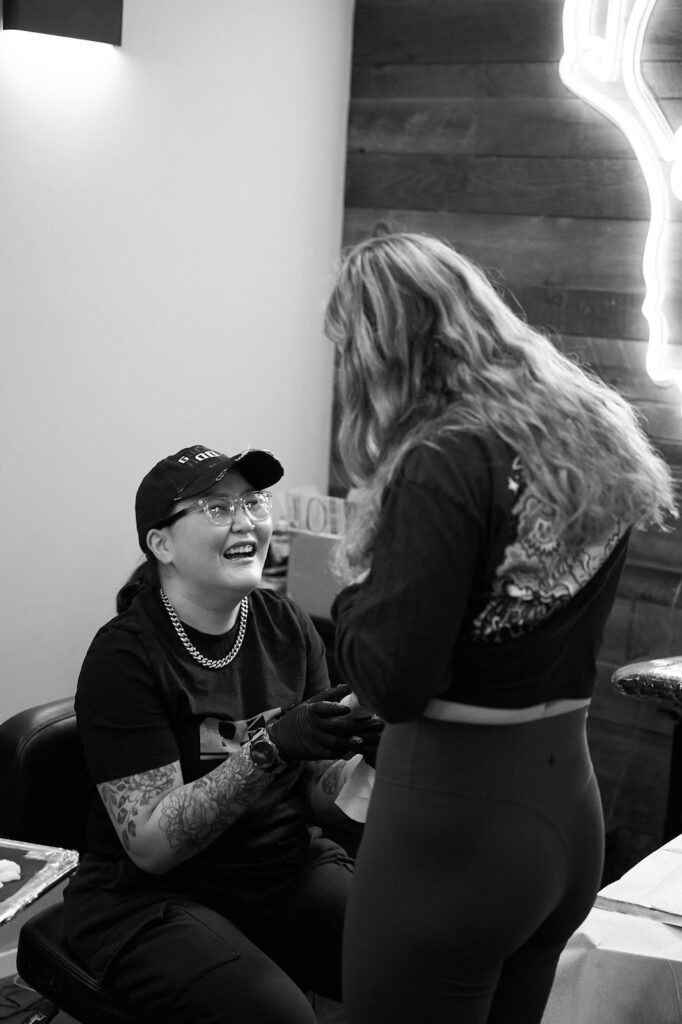
Alt text: A tattoo artist consulting with a client while reviewing the stencil placement on their forearm
You’ve got an idea you can’t stop thinking about, you’ve saved way too many tattoo posts on Instagram, and you’re officially ready to make something permanent. Before you sit down for the buzzing, though, there’s an important first step: the tattoo consultation.
A consultation helps take all those saved photos and half-formed ideas in your head and turn them into something real. It’s a chance to talk things through with an artist and make sure the plan feels right before you commit to anything.
But we know walking into a consultation can feel a bit intimidating — especially if it’s your first time. Here’s how we handle them at our studio, along with a few tips to help you feel relaxed and ready.
What Exactly Is a Tattoo Consultation?
You don’t need a presentation or a perfectly worded pitch. A consultation is just a low-pressure chance to chat, explore possibilities, and make sure you and your tattoo artist are starting from the same page.
This conversation helps your tattoo artist understand:
- What you want
- Why you want it
- The style you’re drawn to (Can’t decide on a style? Here’s how to narrow it down)
- What’s possible for the size, placement, and budget you’re considering
And it helps you understand:
- How your idea will translate to a tattoo
- What your artist recommends
- The timeline, cost, and process
- What to expect on the day of your appointment
What Will You Talk About During a Consultation?
1. Your Design Ideas
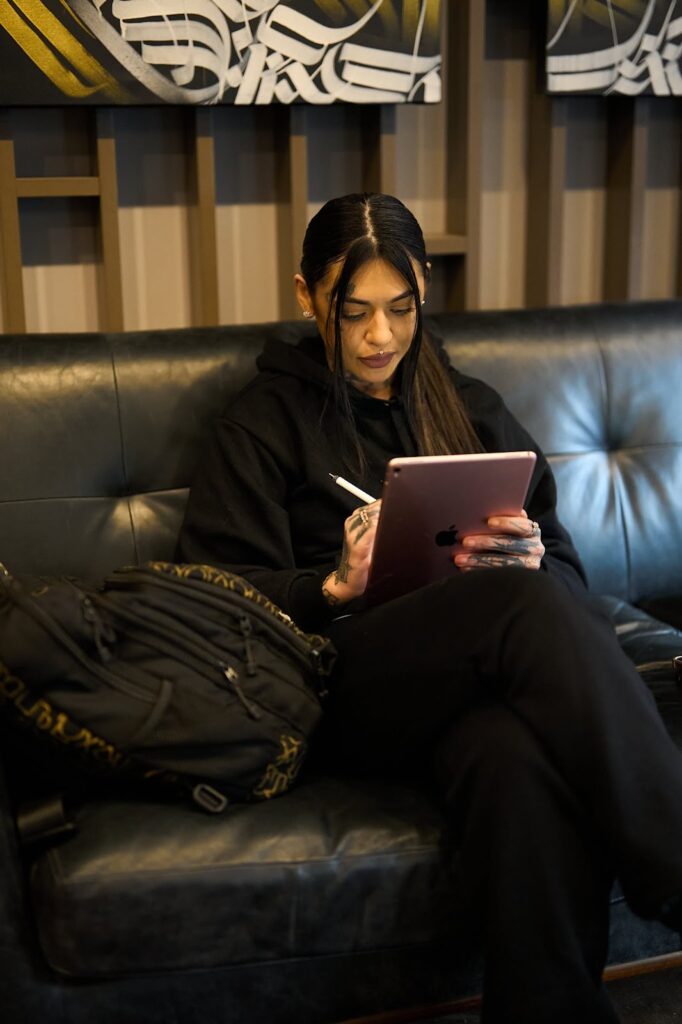
Bring whatever you’ve got: reference photos, sketches, screenshots, or even a loose concept you can describe. Your artist doesn’t expect a polished concept. They just need enough direction to understand what you’re imagining. From there, they’ll ask questions, offer suggestions, and help refine your idea into something that works on real skin, not just in your camera roll.
2. Design Feasibility
Even if you already know exactly what you want, part of the consultation is making sure your idea actually works as a tattoo. Your tattoo artist will look at the level of detail, line weight, color, scale, and the spot you have in mind to be sure the design heals well and stays readable over time.
Your artist may suggest:
- Adjusting the size so details don’t blur together
- Tweaking line weight or simplifying certain elements
- Recommending colors based on your skin tone
- Shifting placement to an area that better supports the design
- Avoiding spots that crease, stretch, or see constant friction
None of this is a judgment on your idea. It’s simply your tattoo artist making sure the design translates well to skin and holds up the way you want it to.
3. Style Match
Every artist has their strengths and artistic voice. During the consultation, your artist might discuss which elements of your idea align best with their style, and whether tweaking the style or matching you with a different artist could bring the best version of your idea to life.
Not sure which tattoo artist you should see? That’s okay. We can match you with someone whose specialty complements what you’re looking for, whether it’s photorealism, geometric patterns, delicate linework, bold color, or anything else.
4. Timing & Sessions
Some tattoos are a quick two-hours-and-your-done visit. Others take multiple sessions and planning.
Expect to talk about:
- How long your tattoo will take
- Whether it needs to be broken into sessions
- How much healing time you’ll need
- The best timing around vacations, sun exposure, and seasonal activities
Your artist will help you plan a timeline that won’t clash with that beach trip or sunny getaway you’ve had on your calendar. (For more on sun and tattoo healing, check out this guide.)
5. Tattoo Pricing
Your artist will break down the pricing. Our shop minimum is $200, but the final cost depends on size, detail, placement, and artist experience. You’ll get a clear estimate beforehand so there are no surprises on tattoo day.
How to Prepare for Your Consultation
Gather a Few Helpful References
You don’t need to show up with a perfectly curated mood board, but if you do have a few images that capture the direction you’re thinking, bringing them along can make the conversation smoother. These could include:
- Tattoos in the style you like
- Color palettes and patterns
- Elements or motifs you want included
- Artwork or objects that inspire you (even if they’re not tattoos)
References help your tattoo artist see where your head’s at so you don’t have to describe everything from scratch. A couple of visuals can spark ideas and make it easier to talk through the fun details together.
Think About Your Pain Tolerance
Unlike the tough-guy narrative around tattoos, pain isn’t some rite of passage you’re expected to suffer through. If you’re worried about pain or leaning toward a sensitive spot, mention it. Your artist can adjust size, placement, or session length to make things easier on you.
Come With an Open Mind
Tattoos are a blend of art and anatomy, which means sometimes the design you imagined needs small adjustments to look its best and age well. Your tattoo artist might recommend simplifying a detail, shifting placement, or slightly modifying the shape or flow.
They’re offering guidance to make sure your tattoo looks clean and holds up over time — not to take your idea in a different direction.
Bring Questions
If you’re wondering about something, ask. Whether it’s design-related, process-related, or “I saw someone say this online. Is it true?”, your artist has heard it all and won’t mind clarifying. The consultation is your chance to get comfortable with the plan, so any question that helps you feel ready is worth asking.
Think About Aftercare Ahead of Time
Your tattoo artist will walk you through aftercare instructions on tattoo day, but it’s worth considering now:
- Do you have travel coming up?
- Planning a beach trip?
- Training for a marathon?
- Spending all summer outside?
It’s easier to adjust your appointment now than to struggle with healing later when your calendar suddenly becomes less tattoo-friendly.
What Happens After the Consultation
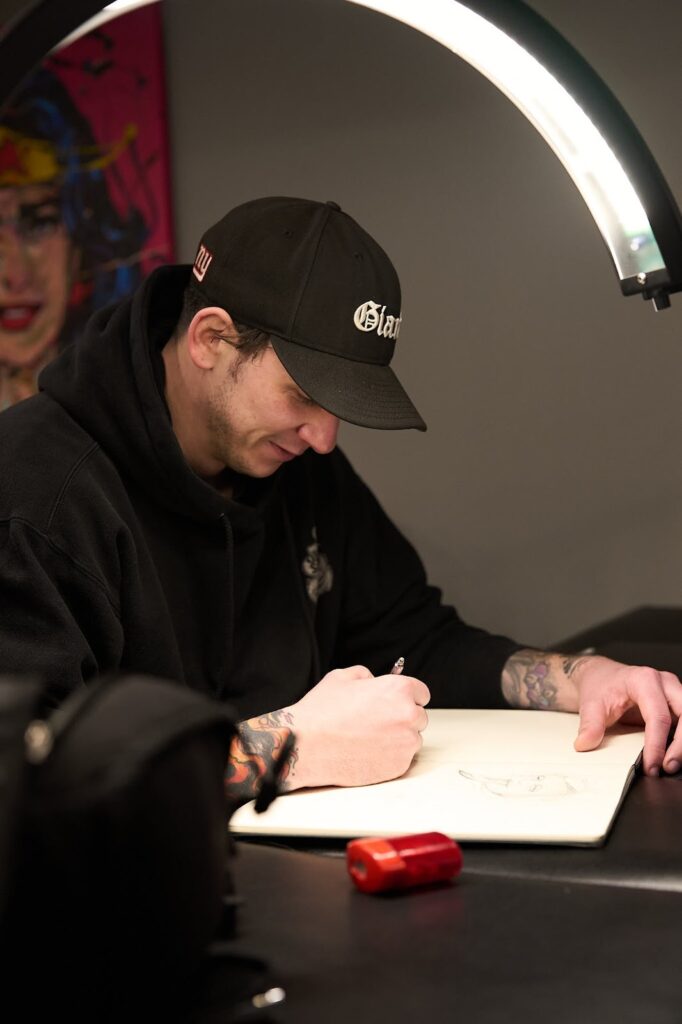
Your artist takes your notes, references, and ideas and starts building your custom design. Every tattoo artist’s workflow is a little different; some share the design ahead of time, some prefer to review it with you at the start of the appointment. Whichever method they use, you’ll have time to look it over and request reasonable tweaks.
Why the Consultation Matters
A thoughtful tattoo consultation sets the tone for the entire experience. It makes sure:
- You feel confident in your design
- The technical side of the tattoo is sound
- Expectations are aligned
- Your artist understands what you want and why you want it
When both sides are clear from the start, the tattoo process becomes smoother and way more enjoyable. You get a piece of art you truly love, and your artist gets to create something they’re proud to put on your skin.
Ready to Book Your Consultation?
If you’re feeling inspired and ready to move forward, our tattoo artists are ready to sit down, talk it out, and help you map out the best version of your idea. We always keep things friendly, collaborative, and professional so you feel comfortable from the start.
Book your consultation today, and let’s get your tattoo out of your camera roll and onto your skin.