
Inked Insights
Piercing Aftercare Instructions for Miami Residents

Share this post!
Piercing Aftercare Instructions for Miami Residents: Expert Tips for Safe Healing
Getting a new piercing is a significant way to define your personal style, but the real work begins the moment you leave the studio. Think of your new piercing as an investment in your self-expression; proper aftercare is the essential maintenance that keeps it looking sharp and healthy. For those of us navigating the South Florida lifestyle, professional piercing in Miami requires a specific approach to account for our unique environmental factors—like that relentless humidity and salt air—that can definitely influence how your body recovers.
Being diligent about aftercare is not just a suggestion. If you neglect the routine, you open the door to complications ranging from minor irritation bumps to more serious systemic infections. We want your new addition to be a source of pride, not a medical concern. This guide provides a straightforward, professional roadmap to healing correctly while enjoying life in the 305.
What Are the Risks of Improper Care?
The healing process is highly individual. It depends on the placement of the jewelry, the quality of the materials used, and your personal hygiene habits. While most clients only experience minor localized redness, failing to maintain a clean environment can lead to more significant issues. Poor aftercare can result in localized infections or, in rare cases, more severe systemic complications.
At Inked, we maintain a strictly sterile environment in our studio, but once you walk out the door, the responsibility shifts to you. Monitoring your piercing daily is the best way to ensure the tissue remains healthy and the jewelry stays secure.
How Miami Residents Should Clean New Piercings Daily
Establishing a consistent daily rhythm is the secret to a successful heal. In Miami, the heat and moisture in the air can facilitate bacterial growth, so you should be particularly disciplined with your hygiene routine.
Selecting the Right Saline Solution
When it comes to cleaning, you should stick to the professional standard: sterile saline. Look for a spray labeled as isotonic, containing 0.9% sodium chloride. You may see “piercing cleaners” in retail stores that contain harsh additives or fragrances; you want to avoid them. The Association of Professional Piercers (APP) recommends sterile saline or a sea salt soak using non-iodized sea salt and distilled water. A clean, simple solution is always the most effective.
Your Daily Cleaning Routine
To keep the area clean without causing unnecessary trauma to the healing tissue, follow these steps twice a day:
- Hand Hygiene: This is the most critical step. Never touch your piercing or the surrounding area with unwashed hands.
- Saturate: Spray the saline solution directly onto the site or saturate a piece of sterile gauze.
- Remove Debris: Gently wipe away any “crusties”—the dried discharge that naturally accumulates—around the jewelry.
- Dry Thoroughly: Pat the area dry with a disposable paper towel. Avoid cloth towels, as they can snag jewelry and harbor bacteria.
If you have a piercing in a difficult location, a warm saline compress using sterile gauze can help soften stubborn debris without needing to poke or prod the area.
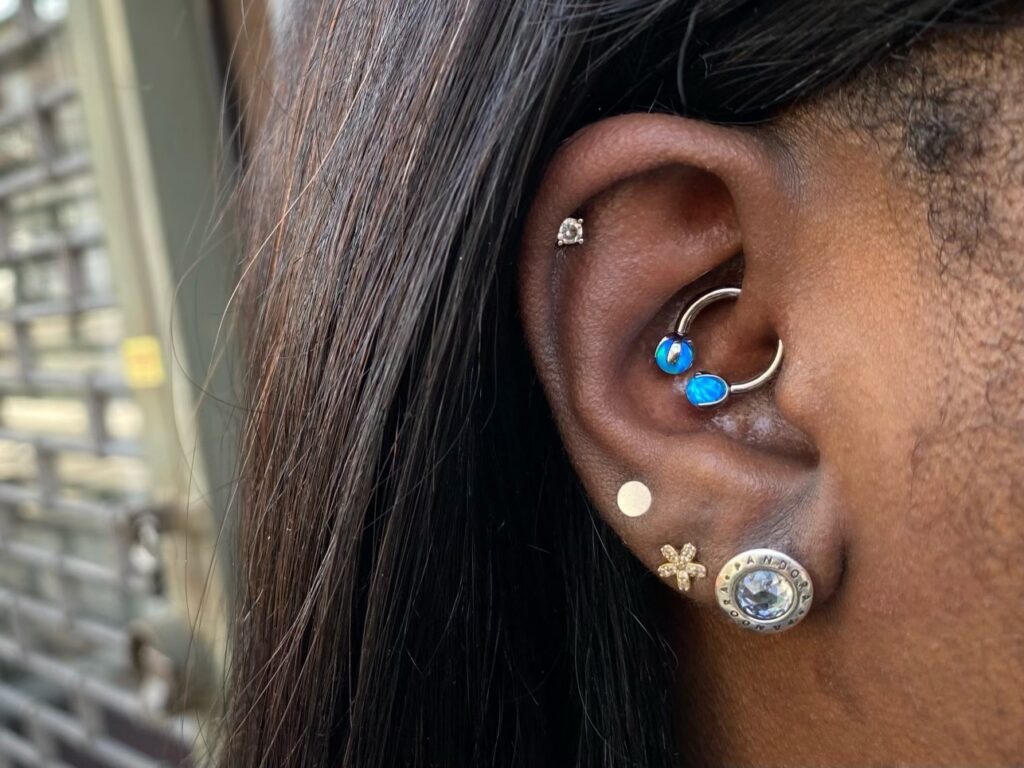
Managing the Miami Climate and Healing Timelines
Miami’s unique environmental conditions play a direct role in your recovery. Understanding how our tropical weather interacts with a healing wound can help you avoid common setbacks.
The Humidity Factor
Miami’s moisture-rich air can make it challenging to keep your skin dry. When excess moisture is trapped against a new piercing, it can lead to tissue softening or irritation bumps. If you spend significant time outdoors or at the gym, consider adding a quick clear-water rinse or an extra saline cleaning to remove sweat and salt. Keeping your indoor environment cool and well-ventilated will also help your skin breathe during recovery.
Healing Timelines and Environmental Stress
Healing is a gradual process that cannot be rushed, especially when your body is managing external stressors like extreme heat and high UV indices. These climatic factors can sometimes prolong the initial inflammatory phase. While a standard lobe piercing might be stable in eight weeks, cartilage or more complex body piercings can take up to a full year to mature completely as your body works to build stable tissue in a tropical environment.
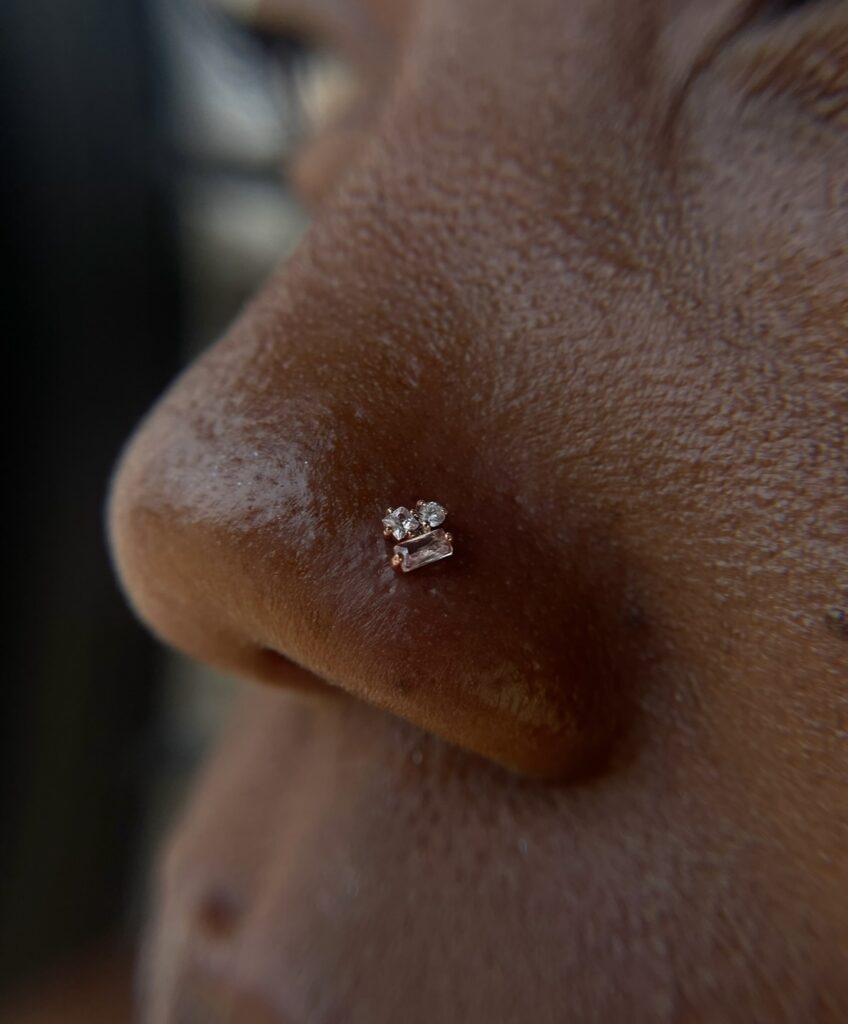
Normal Healing vs. Signs of Infection
It is helpful to know what to expect so you can monitor your progress with confidence.
- Normal Signs: Slight redness, localized swelling, and a clear or pale yellow discharge that dries into a crust.
- Infection Symptoms: Persistent throbbing, skin that feels hot to the touch, thick green or grey discharge, or fever.
If you are ever unsure about how your piercing is progressing, you can always consult with our talented piercers for a professional assessment.
Essential Do’s and Don’ts for the South Florida Lifestyle
Living in Miami offers many distractions that can jeopardize a fresh piercing. Adhering to these professional boundaries is necessary for a smooth experience.
- Do wear loose, breathable clothing if you have a new body piercing to minimize friction.
- Do stay hydrated to support your body’s natural ability to regenerate tissue.
- Don’t submerge your new piercing in the ocean, pools, or hot tubs. These are prime environments for bacteria and chemicals that your healing skin is not yet ready to handle.
- Don’t rotate or “twist” the jewelry. This is outdated advice that actually breaks down the healing tissue and introduces bacteria into the wound.
- Don’t use rubbing alcohol or hydrogen peroxide. These substances are far too aggressive and can destroy the healthy new cells your body is working to build.
Sleep Habits and Pressure
Sleeping on a new piercing is a common cause of irritation and migration, where the jewelry begins to sit at an unintended angle. If you are a side sleeper with a new ear piercing, a travel pillow can be a lifesaver—simply rest your ear in the center hole to remove pressure. Additionally, using a clean silk pillowcase can prevent the jewelry from snagging during the night.
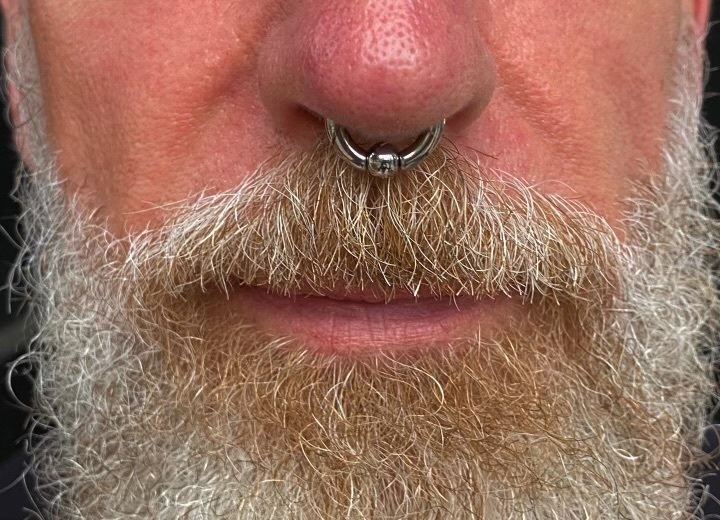
Recommended Aftercare Products
You do not need an extensive array of products to heal well. In fact, a minimalist approach is usually the most effective for the skin.
| Product Type | Recommended Choice | Primary Benefit |
|---|---|---|
| Cleaning Agent | Sterile Isotonic Saline | Gentle, effective, and matches the body’s chemistry. |
| Initial Jewelry | Implant-Grade Titanium | Biocompatible and free of common allergens like nickel. |
| Drying Material | Disposable Paper Towels | Hygienic and eliminates the risk of cross-contamination. |
Choosing high-quality jewelry from the beginning is vital. While “surgical steel” is a common term in the industry, it often contains nickel, which can cause persistent irritation for many people. Titanium is the superior choice for a complication-free transition from a fresh piercing to a healed one.
When to Seek Professional Guidance
Most piercings heal without incident if the protocol is followed. However, you should never hesitate to reach out if something feels wrong. If you notice the jewelry looks like it is shifting or the skin is thinning around the site, you may be experiencing rejection.
A critical reminder: if you suspect an infection, do not remove the jewelry. The jewelry acts as a necessary drain for the wound; removing it can cause the skin to close over the infection, potentially leading to an abscess. Instead, visit Inked Studios or a healthcare professional immediately.
At Inked Studios Miami, we are dedicated to your safety long after the initial appointment. Whether you need a jewelry downsizing or more specific aftercare advice, our team is here to support your healing process.
Your Next Step Toward Perfect Healing
A successful piercing is a collaboration between the expertise of your piercer and the consistency of your daily care. By staying patient and sticking to a clean, minimalist routine, you ensure your body art stays vibrant for years to come. Whether you are looking for your first lobe piercing or a complex curation, the team at Inked is ready to guide you through every stage of the process.
Ready to start your next project or need a professional aftercare check-in? Stop by Inked Studios Miami today and experience the gold standard in South Florida body art.
Piercing Aftercare Frequently Asked Questions
Is it safe to go to the beach after a new piercing? You should avoid swimming in the ocean for at least 4 to 8 weeks. While salt water is generally therapeutic, the ocean contains unpredictable bacteria and sand that can cause severe irritation or infection in an open wound.
How long should I wait before changing my jewelry? This depends entirely on the location. Earlobe piercings may be ready in 6 to 8 weeks, but cartilage can take 6 months or longer. It is always best to have a professional piercer check the stability of the channel before you attempt to swap pieces.
What should I do if I accidentally bump or snag my piercing? Apply a cold saline compress to the area to help manage any swelling. Avoid touching the site and monitor it closely for the next few days. If an irritation bump begins to form, visit the studio for an assessment.
Can I use antibiotic ointments like Neosporin? No. Ointments are occlusive and block essential airflow to the piercing. Piercings require oxygen to heal correctly, and thick creams can trap bacteria inside the wound.
Why is my piercing itchy? Itching is often a normal sign that the skin is regenerating. However, if it is accompanied by a rash or significant redness, it may indicate an allergic reaction to the metal in your jewelry.