Frequently Asked Questions
How do tattoo artists make stencils?
Tattoo artists make stencils by first creating a design on paper, then transferring it onto stencil paper using a thermal printer or by hand tracing. This stencil acts as a guide for precise tattoo application on the skin.
How do tattoo artists practice?
Tattoo artists practice by honing their skills through various methods, including sketching designs, using practice skins, and collaborating with experienced professionals to refine their techniques and styles before working on clients.
What do tattoo artists use to draw on skin?
Tattoo artists use specialized tattoo machines equipped with needles to draw on skin. These machines inject ink into the dermis layer, allowing for precise and intricate designs that are both vibrant and long-lasting.
What tools are essential for tattoo artists?
The essential tools for tattoo artists include high-quality tattoo machines, needles, ink, sterilization equipment, and various skin preparation products. These tools ensure precision, safety, and artistry in every tattoo and piercing procedure.
How do tattoo artists choose their ink?
Tattoo artists choose their ink based on quality, pigment vibrancy, and skin compatibility. They often select brands known for safety and longevity, ensuring the ink enhances their artistic style while providing a lasting impression on the skin.
What techniques do tattoo artists use for shading?
Tattoo artists use various techniques for shading, including whip shading, where the needle is flicked to create a gradient effect, and gradient shading, which blends colors smoothly. These methods enhance depth and dimension in tattoo designs.
How do tattoo artists maintain hygiene standards?
Tattoo artists maintain hygiene standards by using sterilized equipment, wearing gloves, and following strict sanitation protocols. They ensure a clean workspace and adhere to health regulations to protect both themselves and their clients during the tattooing process.
What styles of tattooing are most popular?
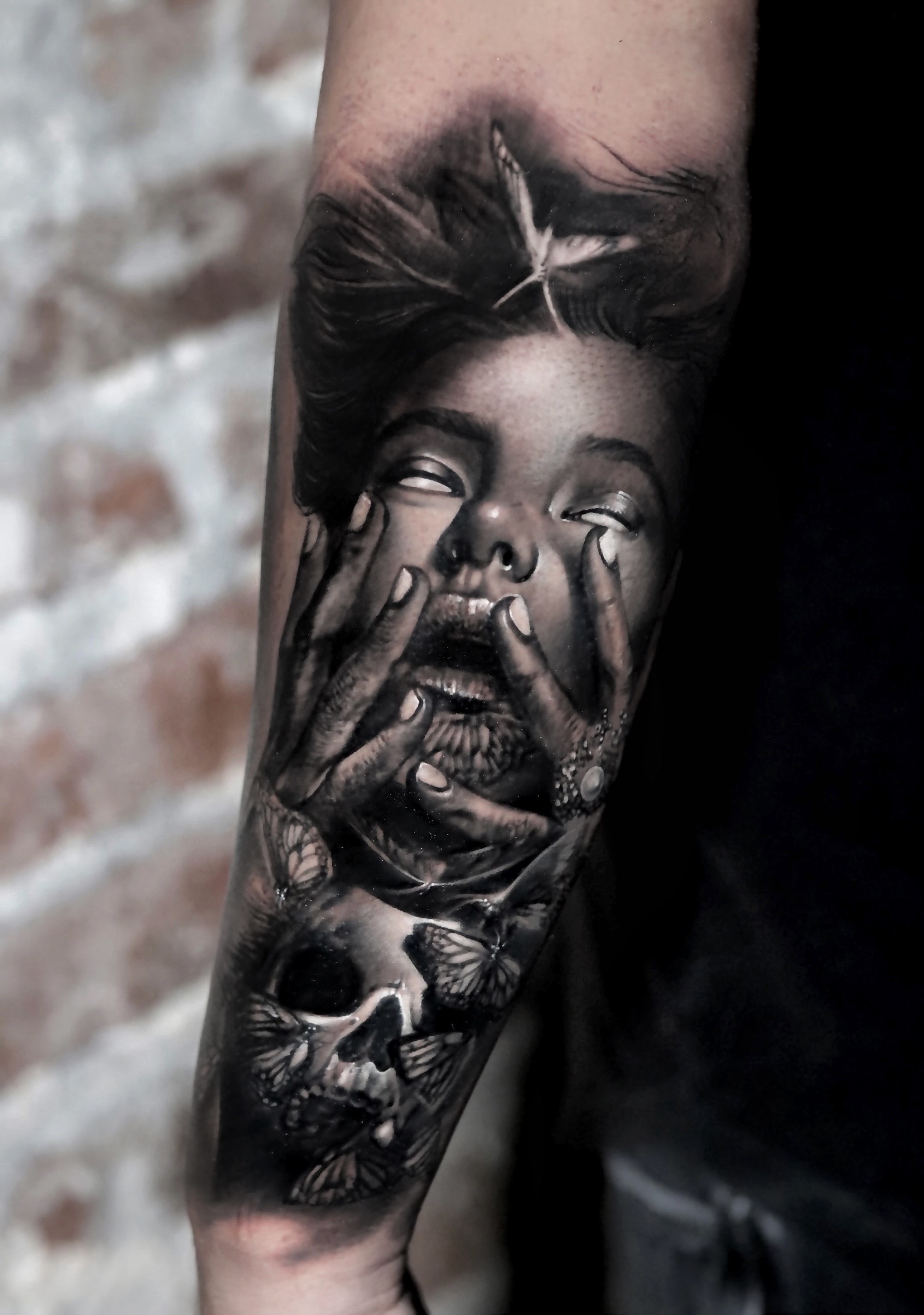
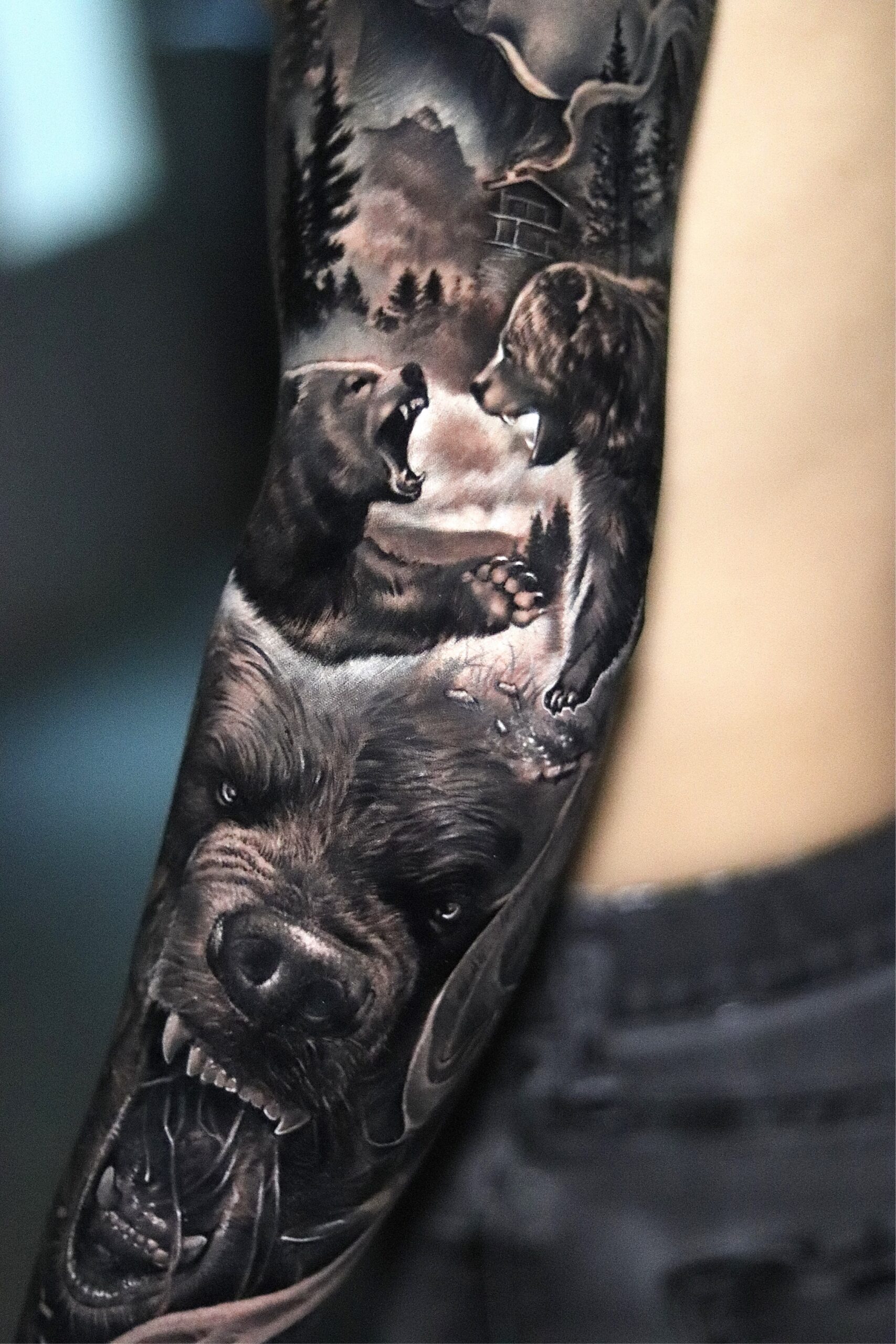
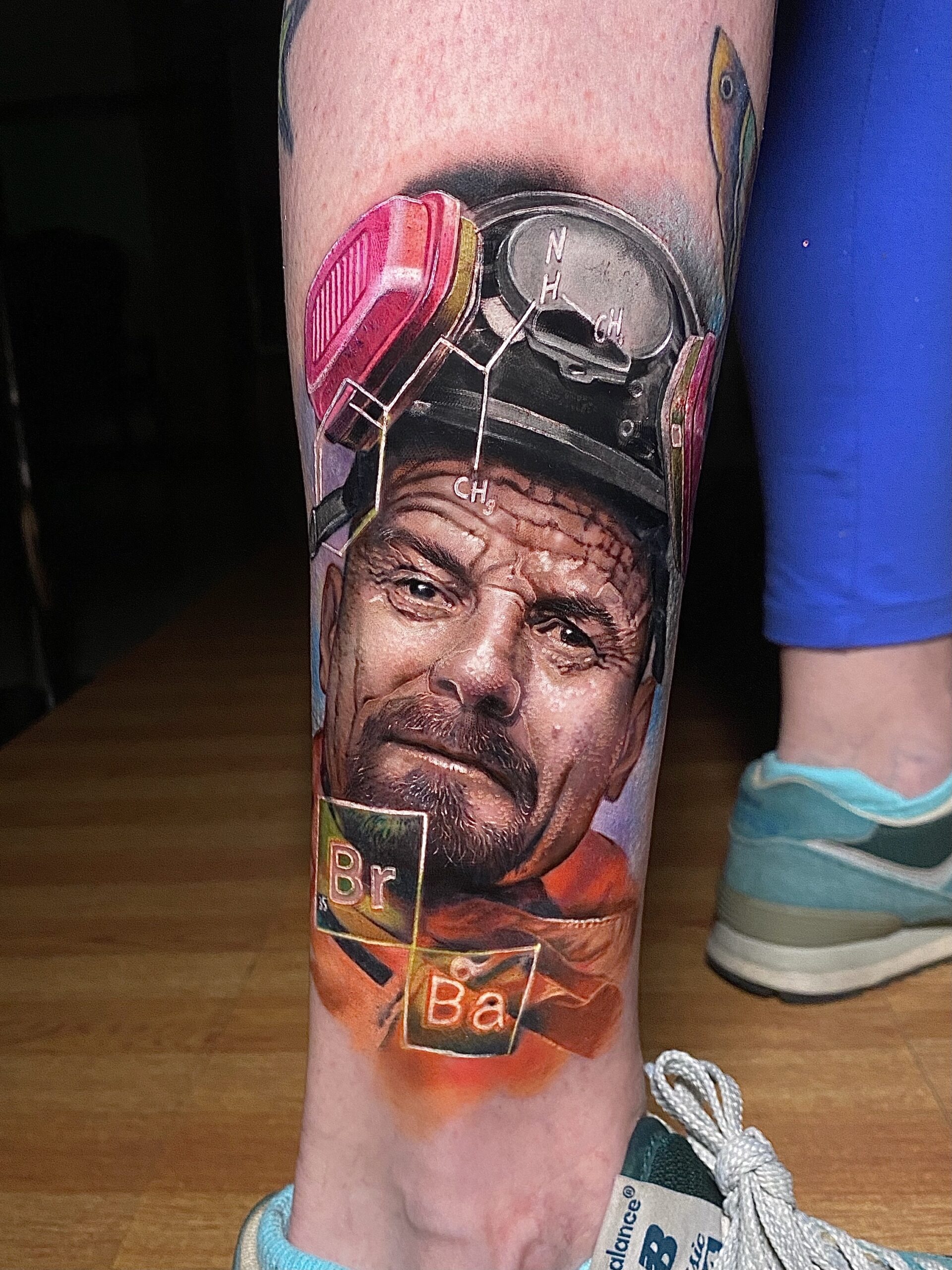
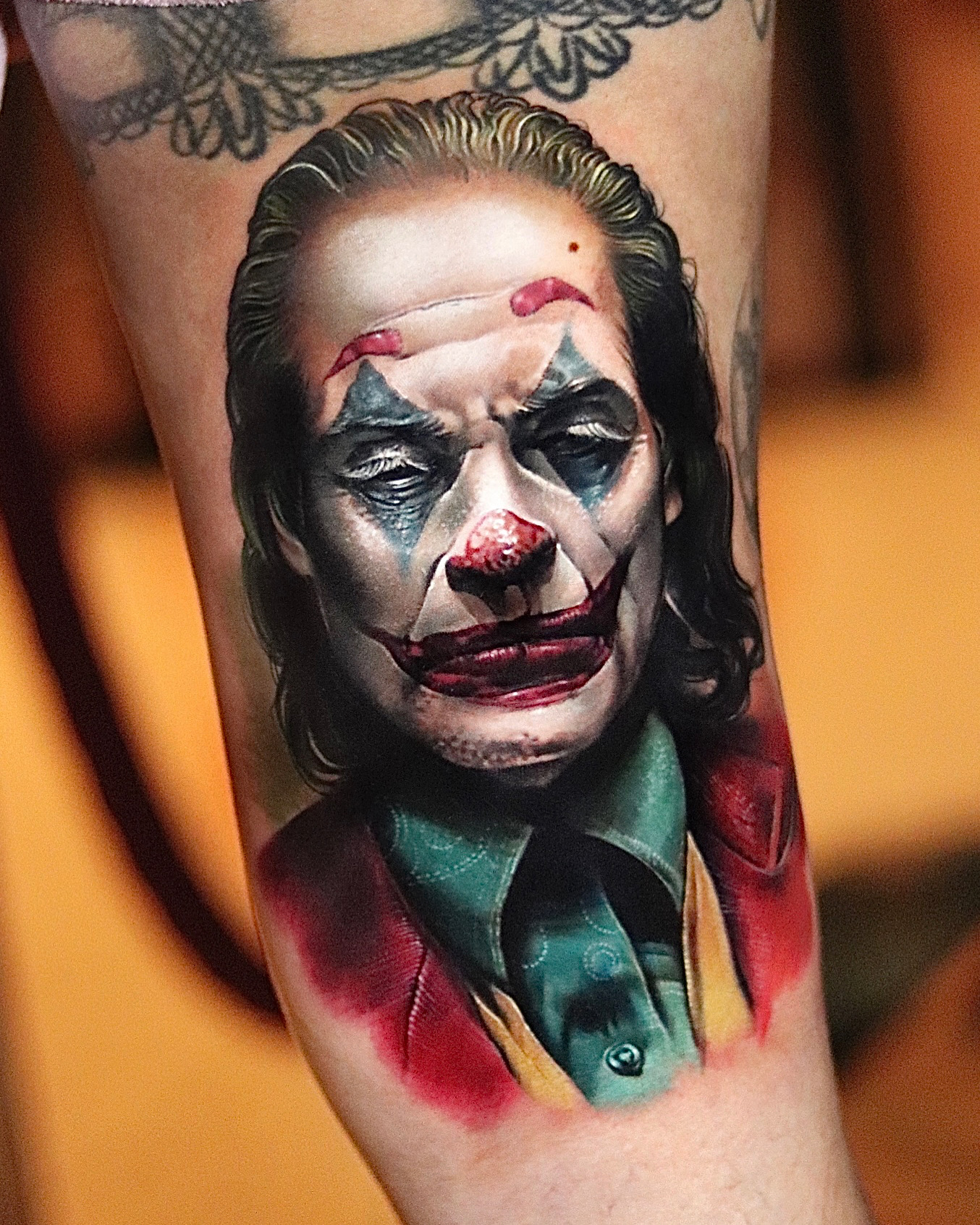
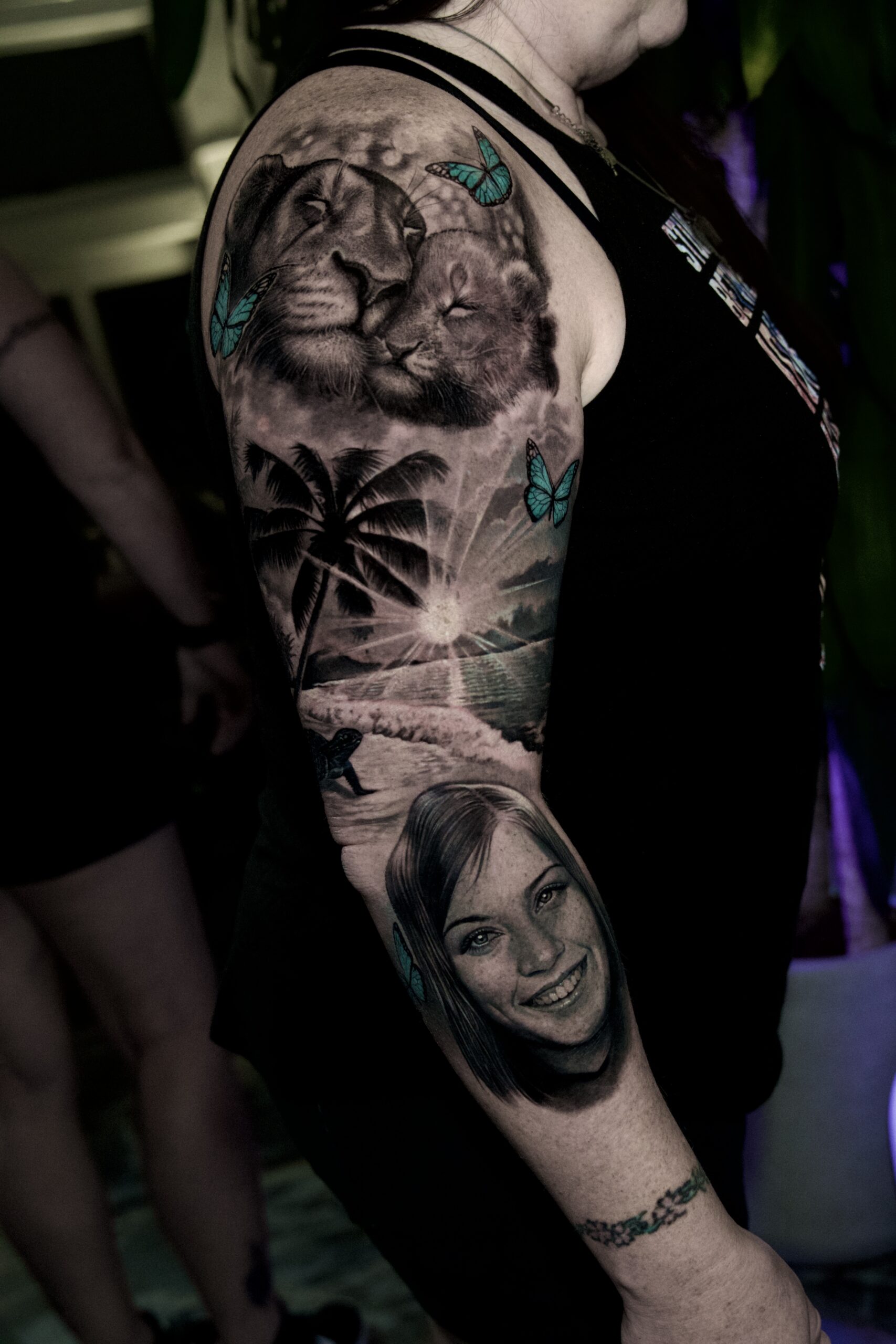
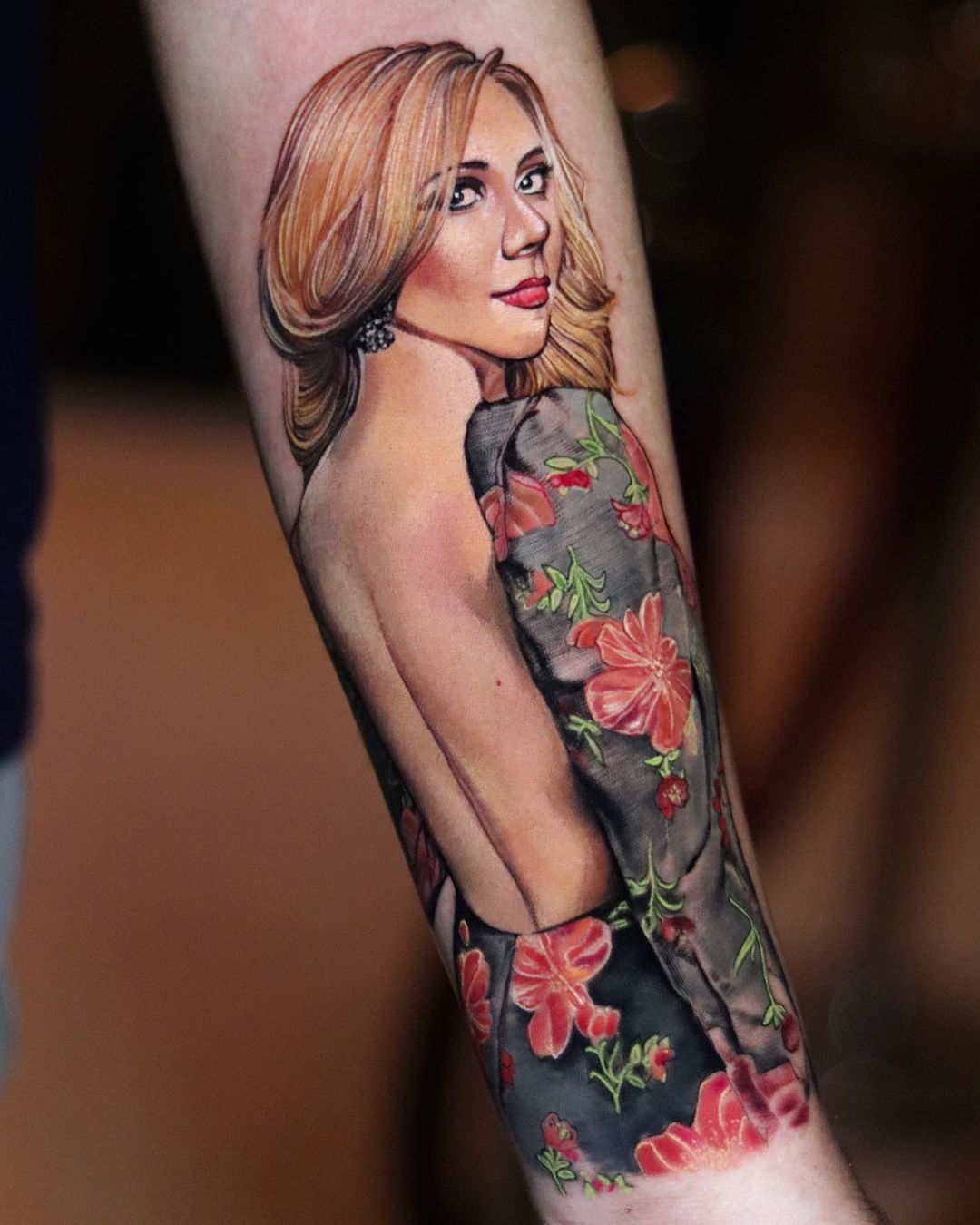
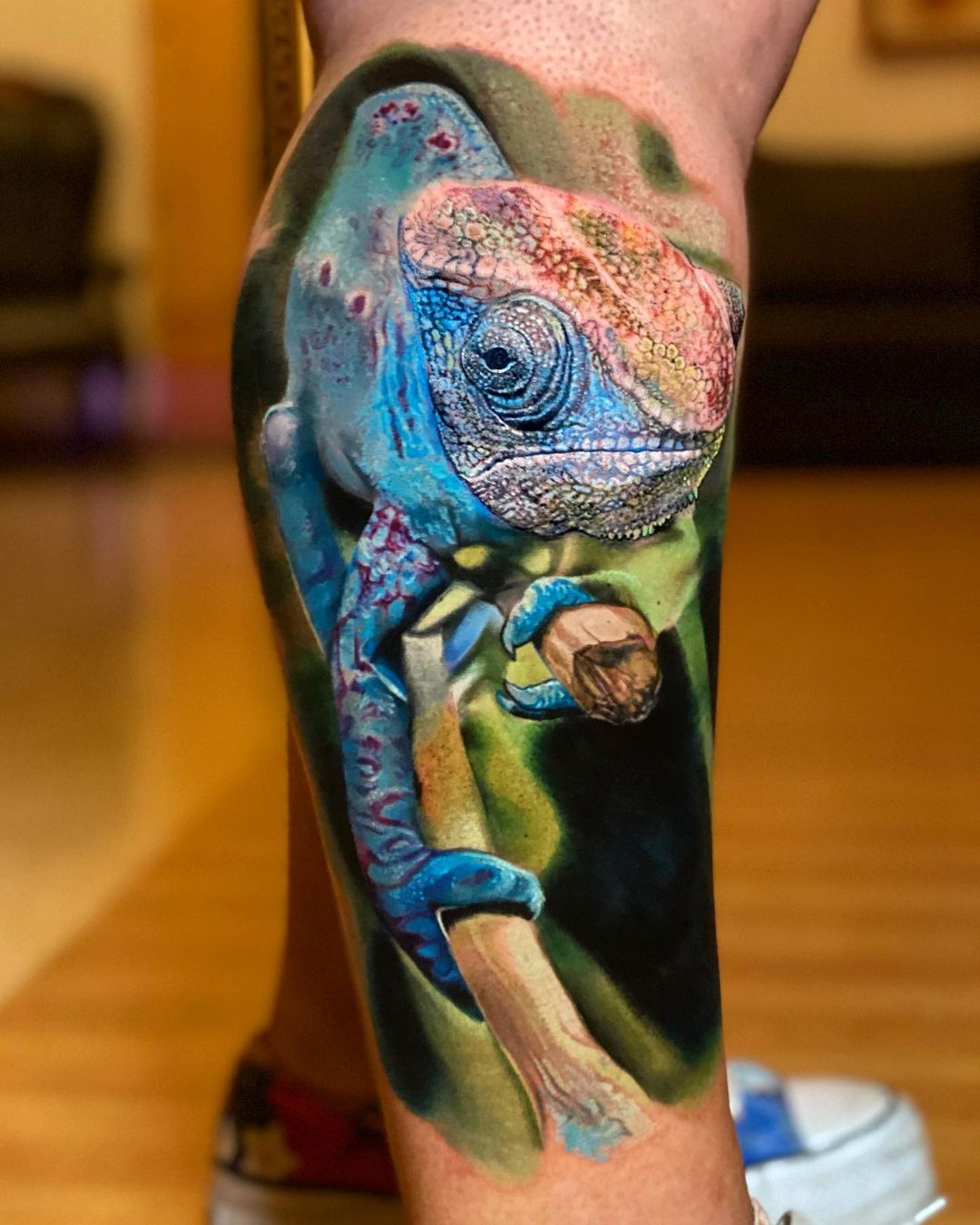
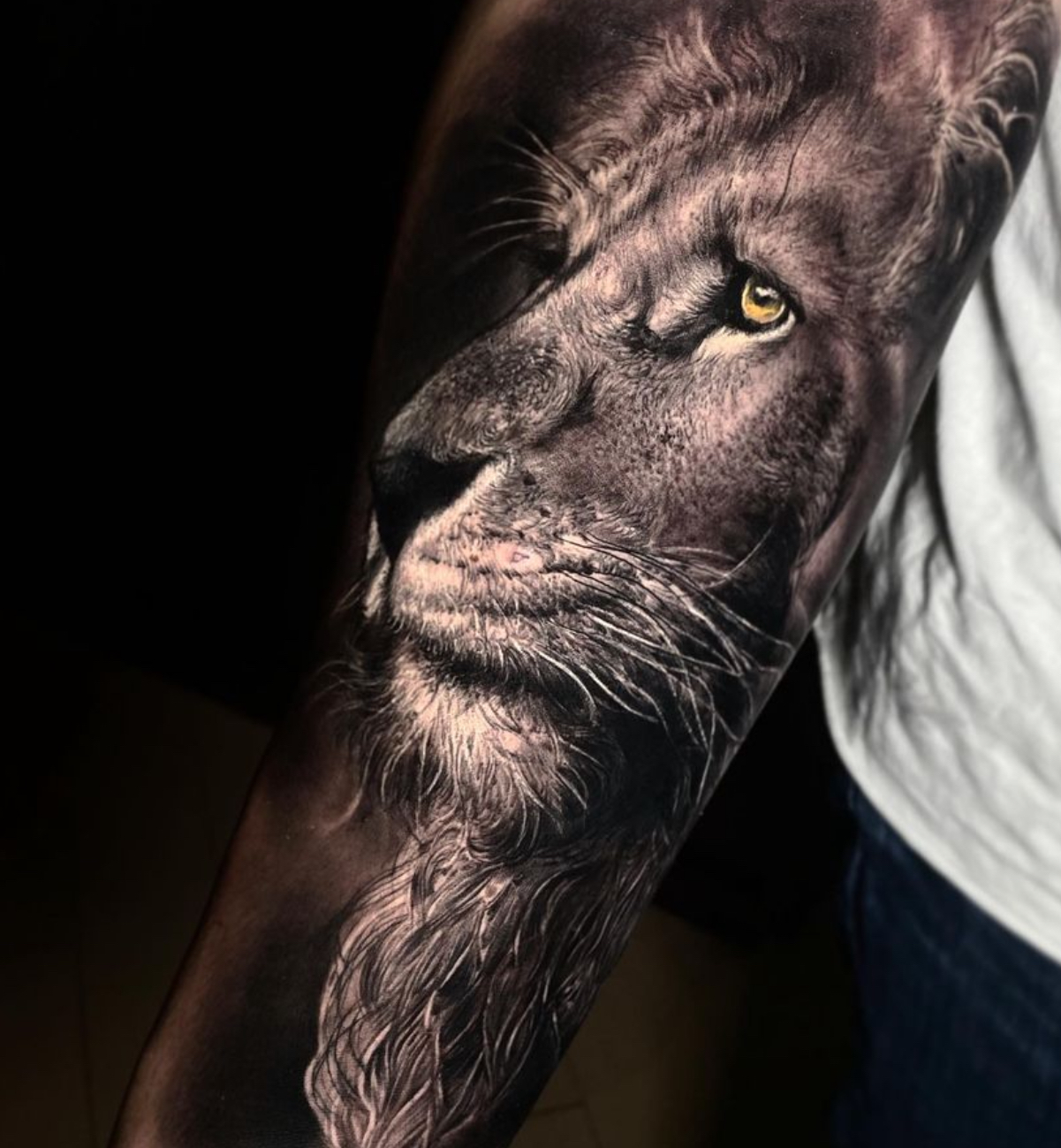
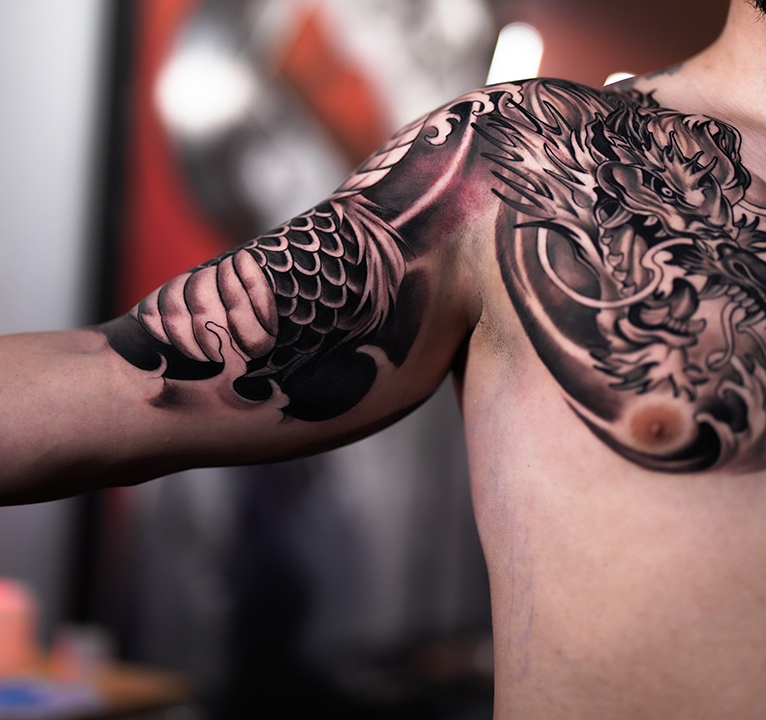
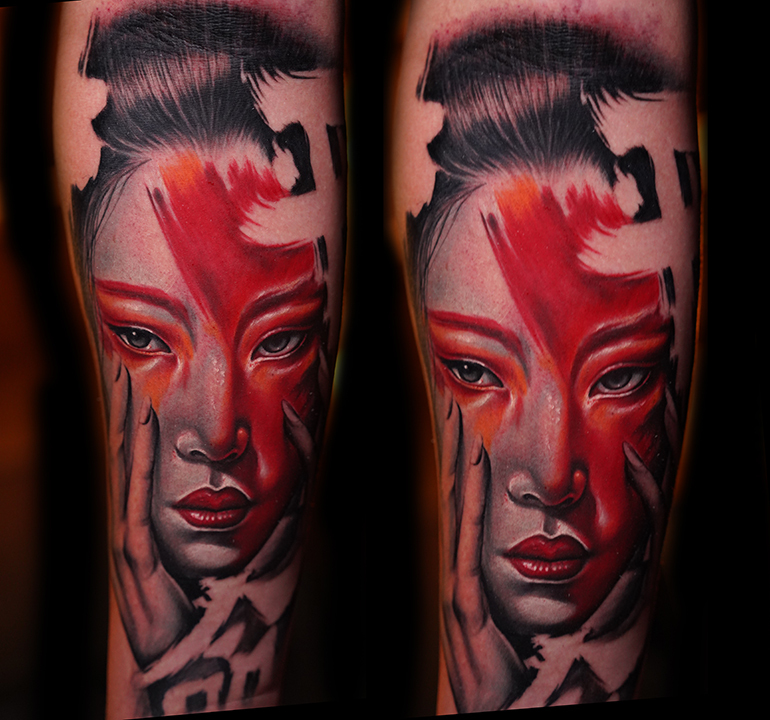
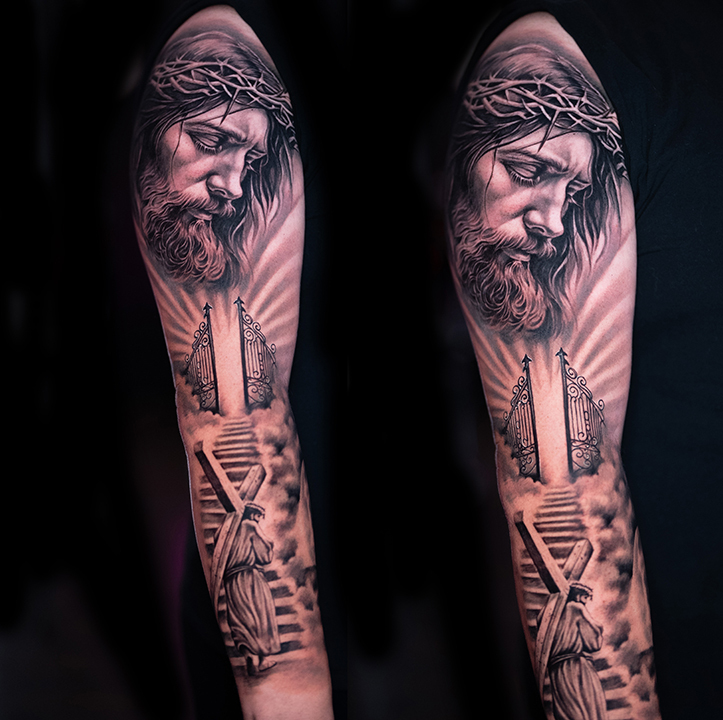
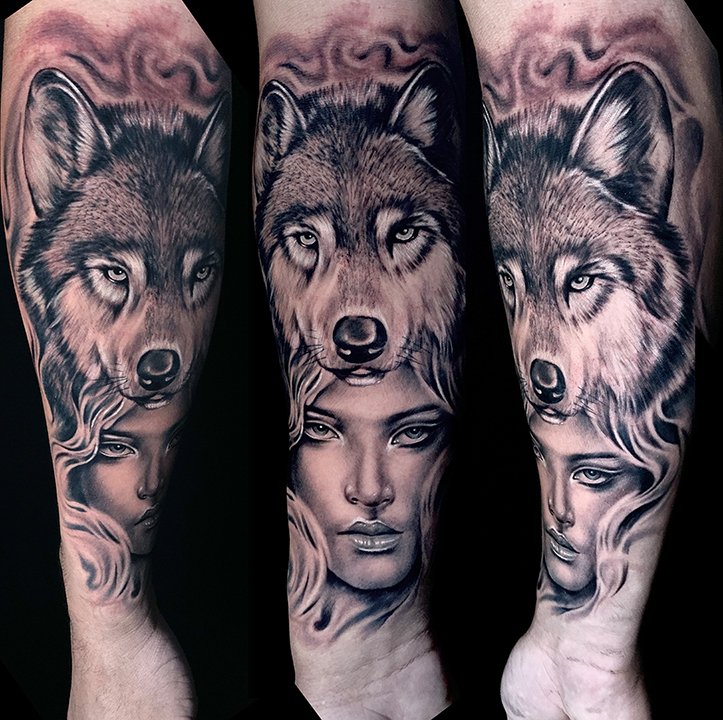
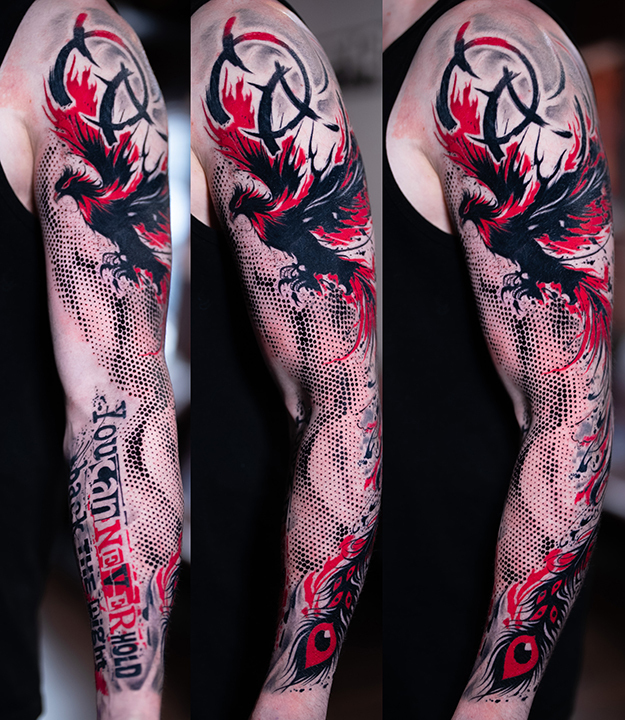
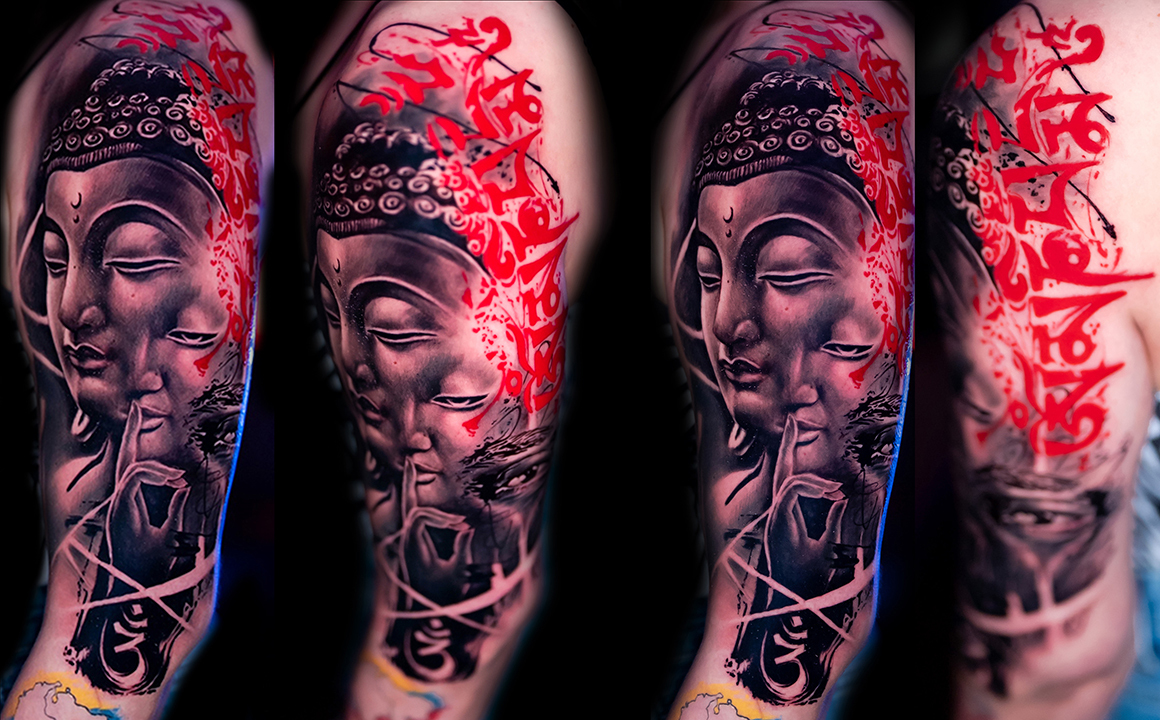
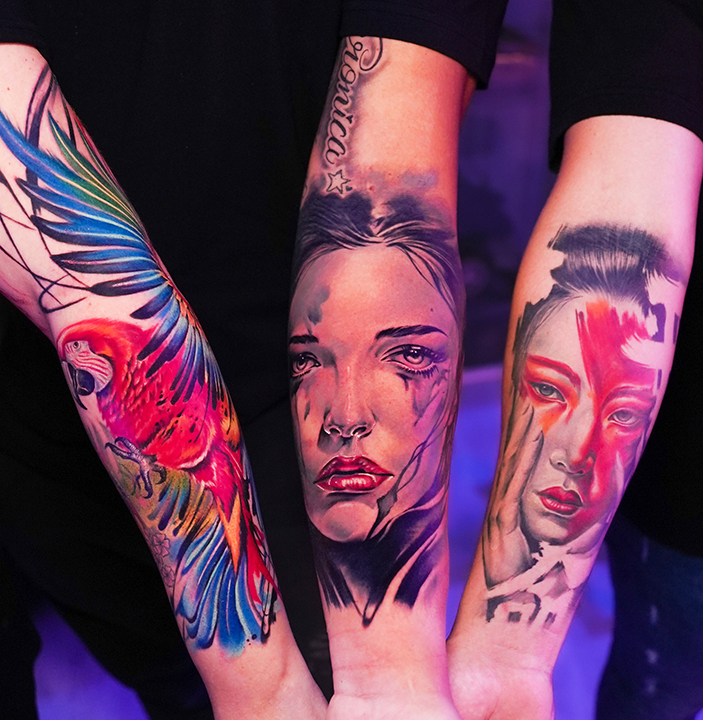
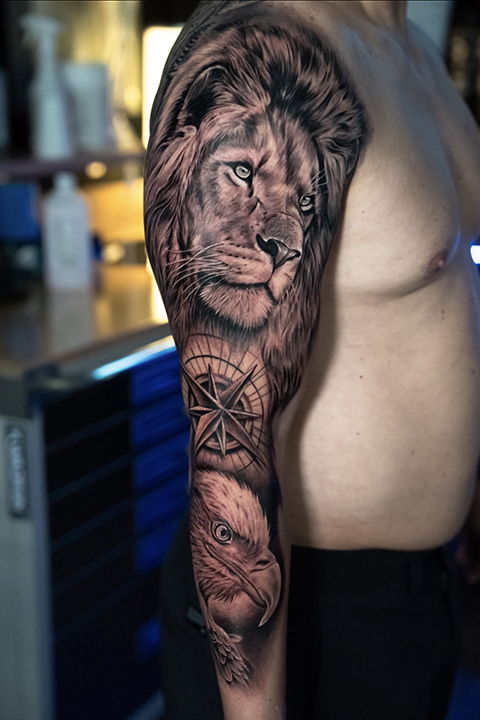
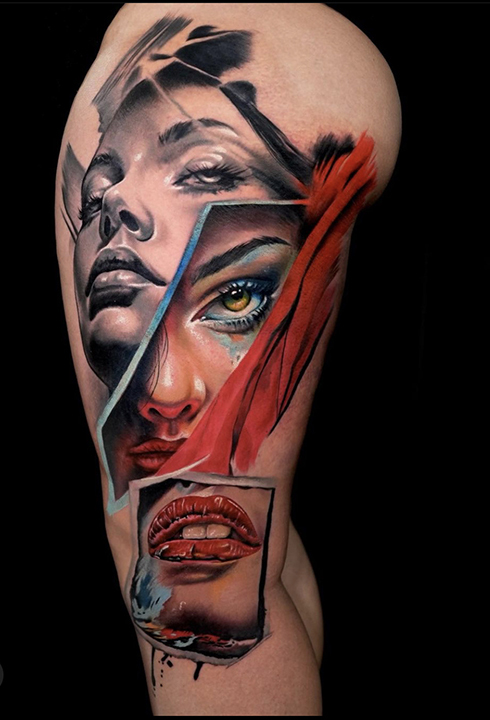
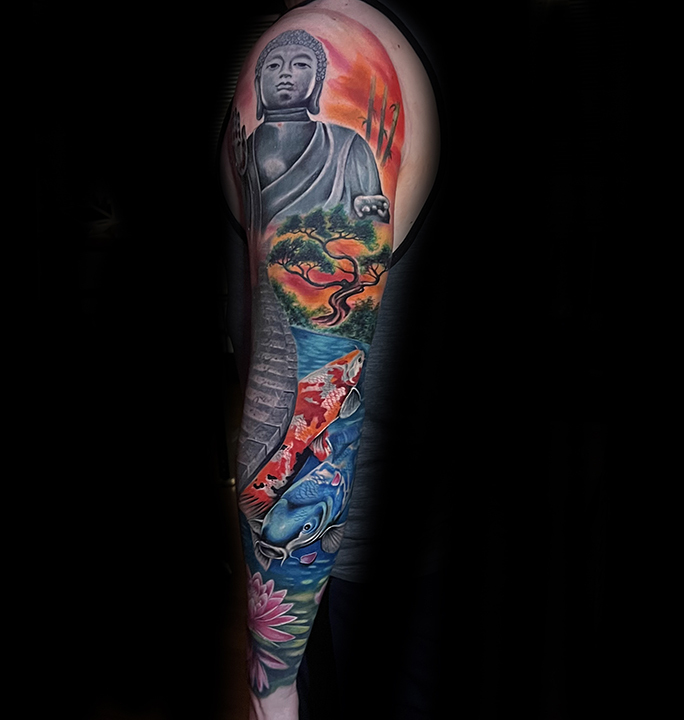
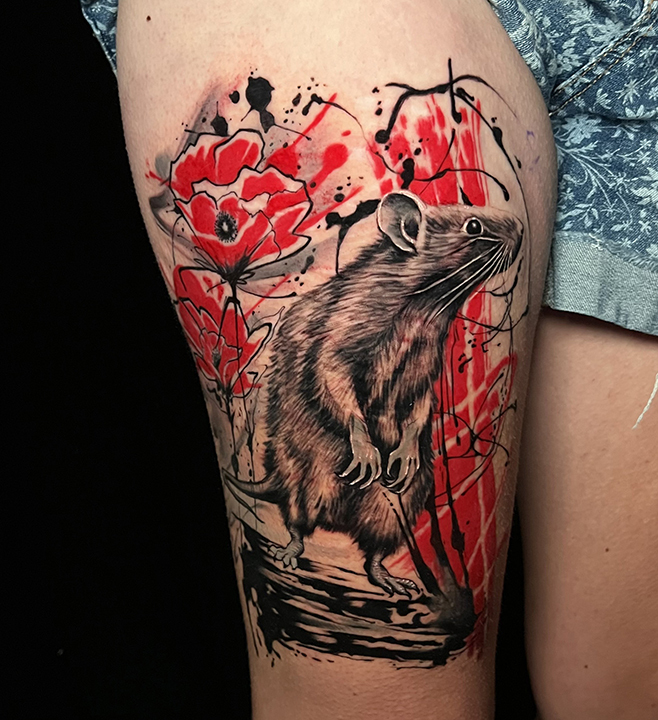
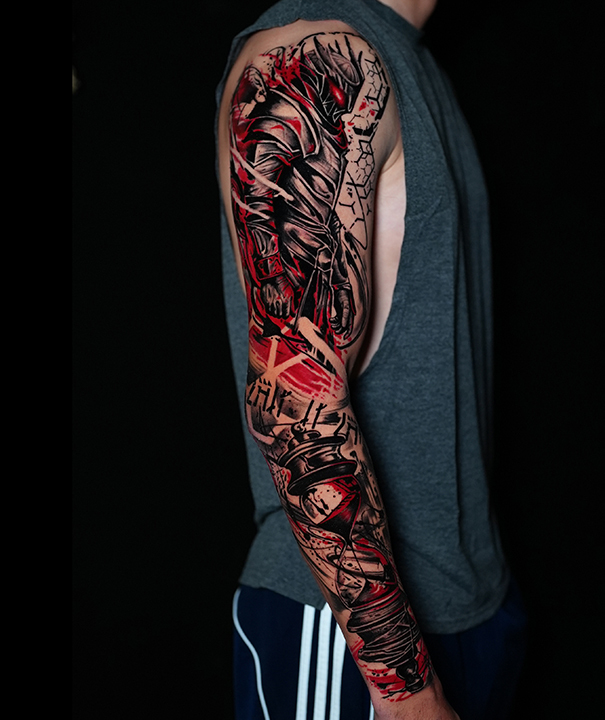
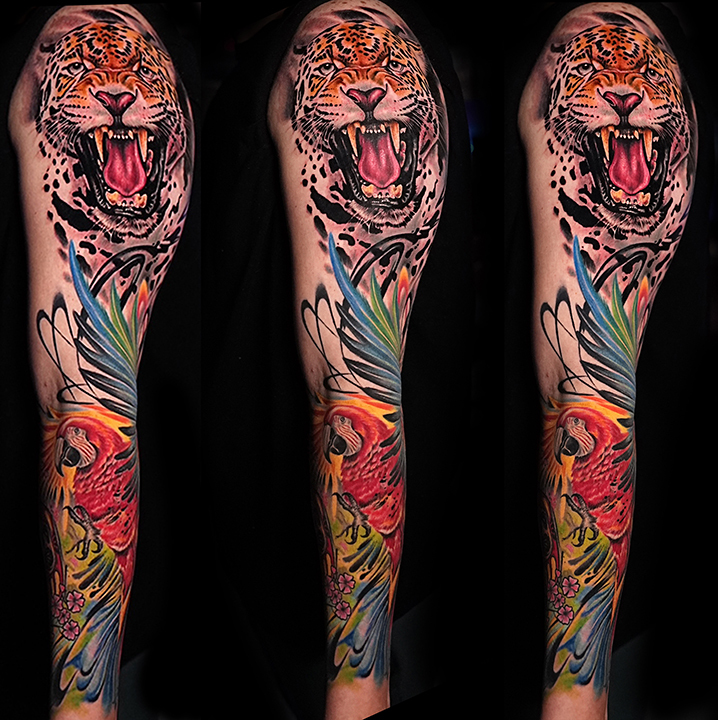
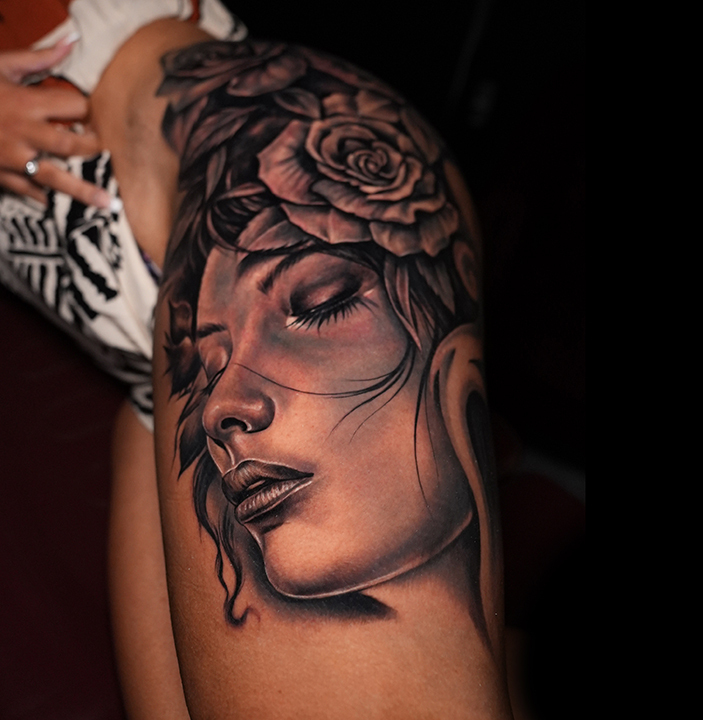
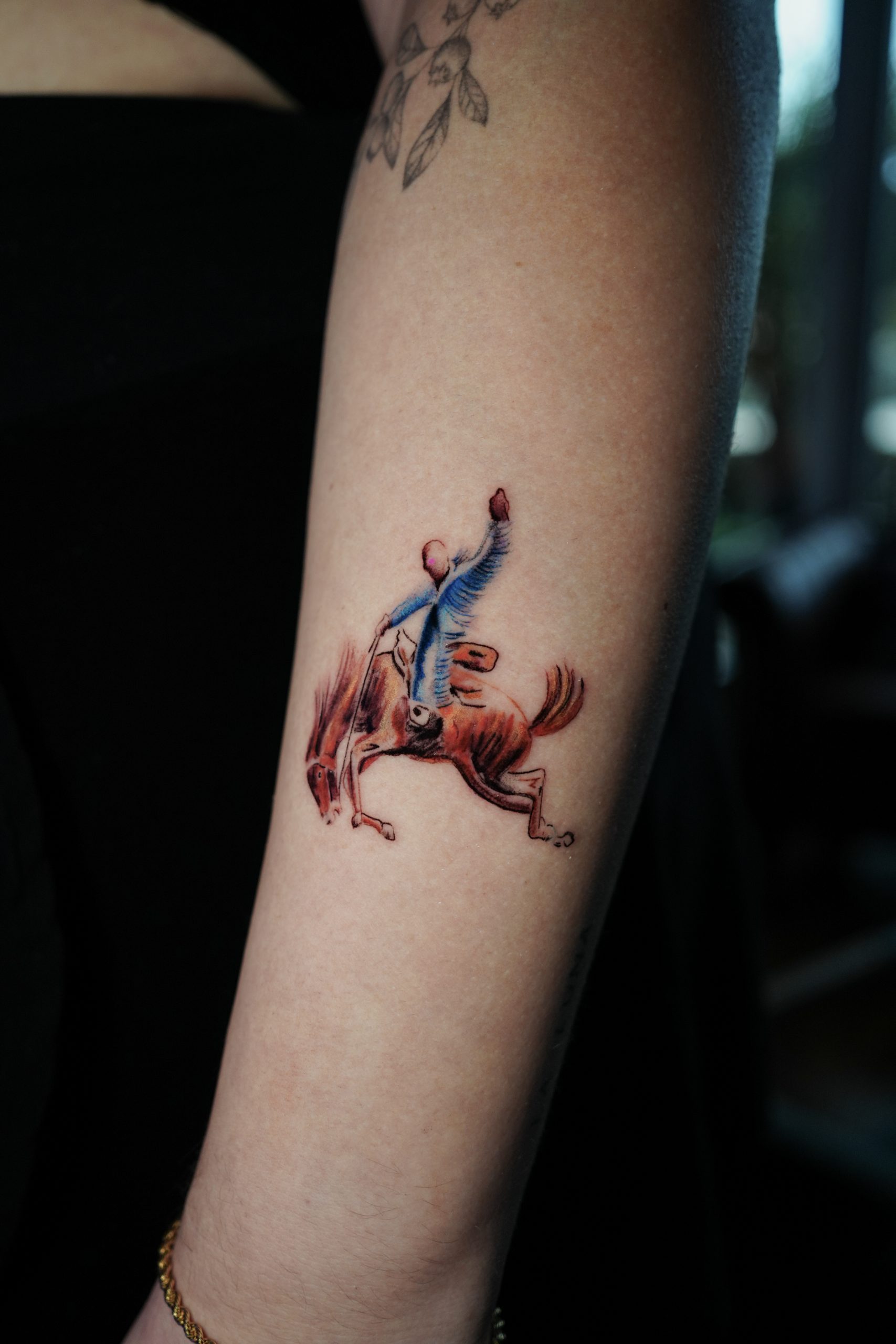
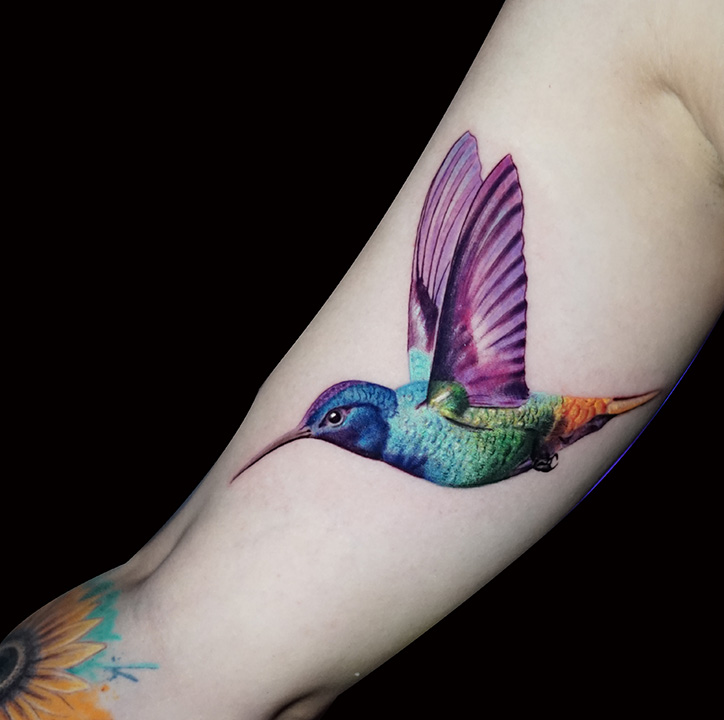
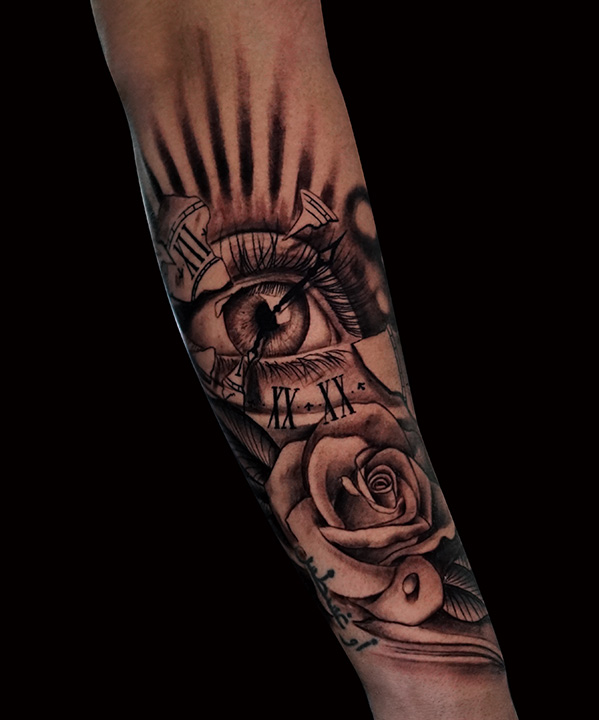
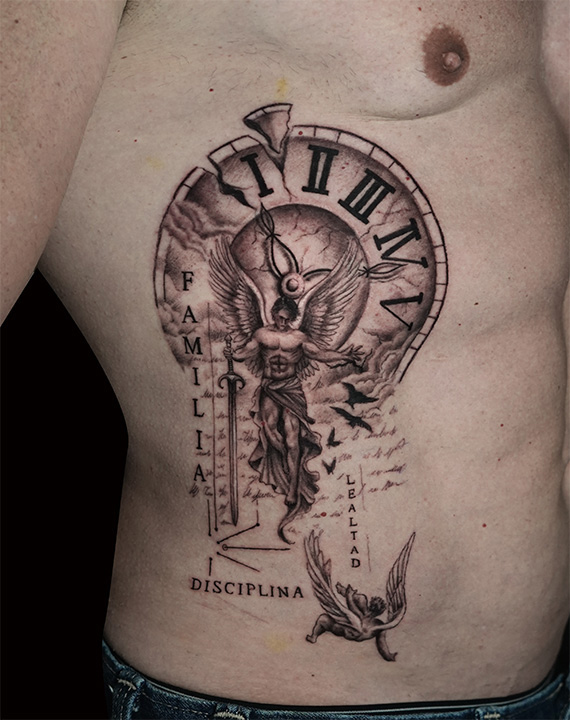
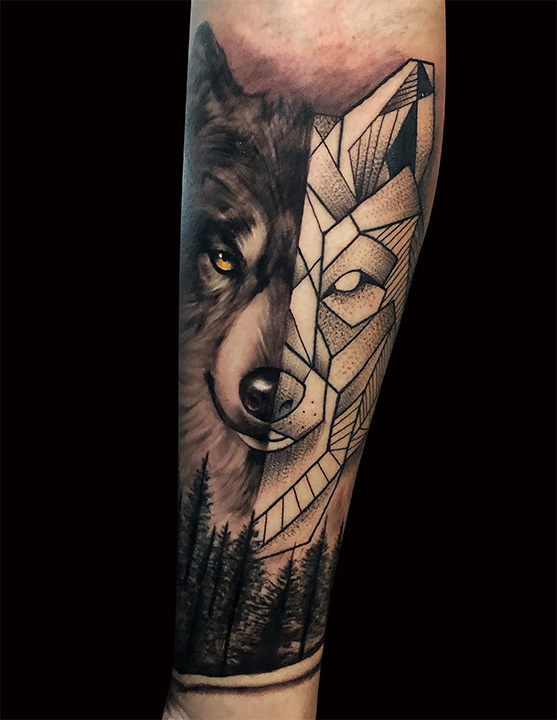
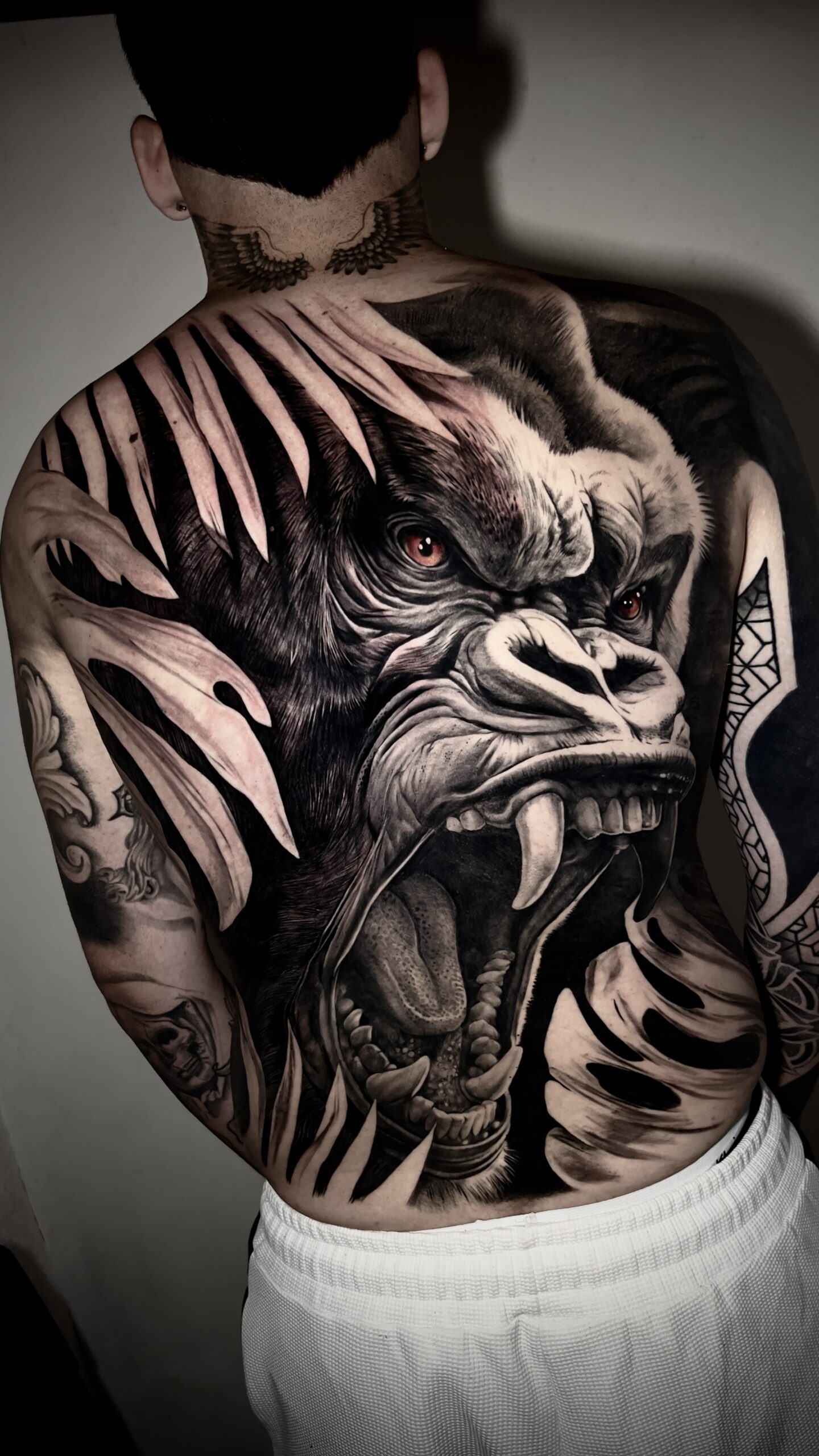
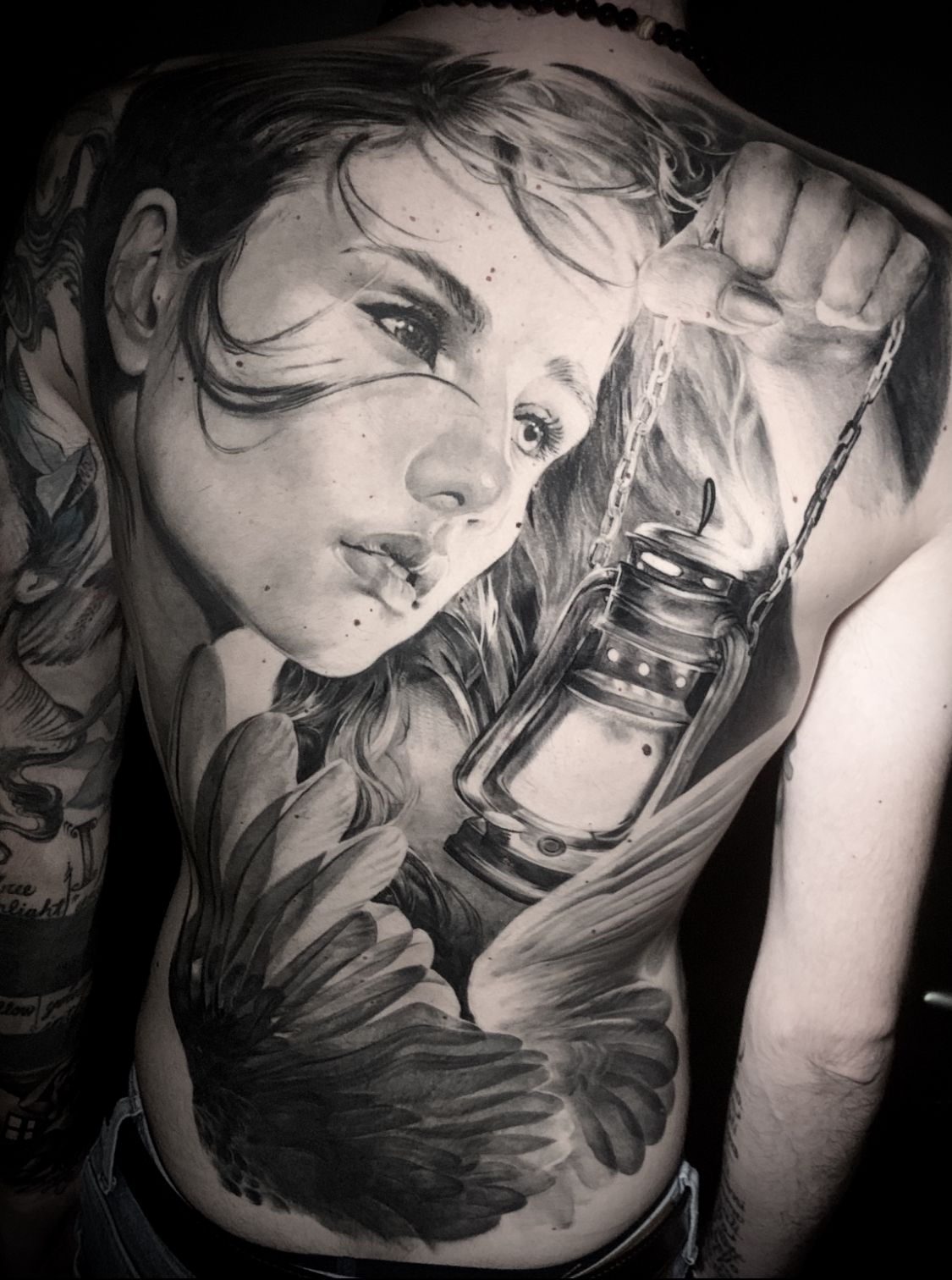
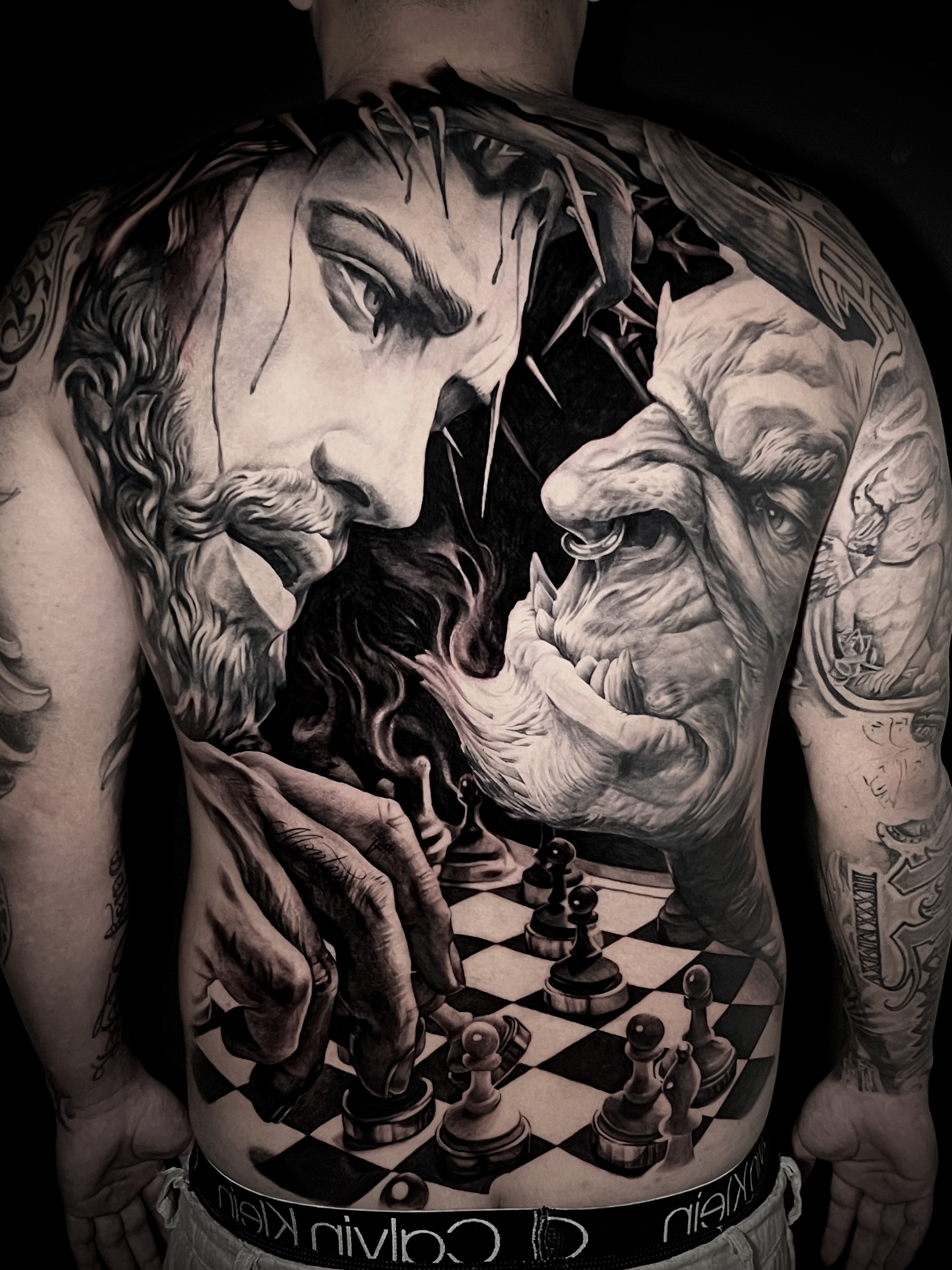
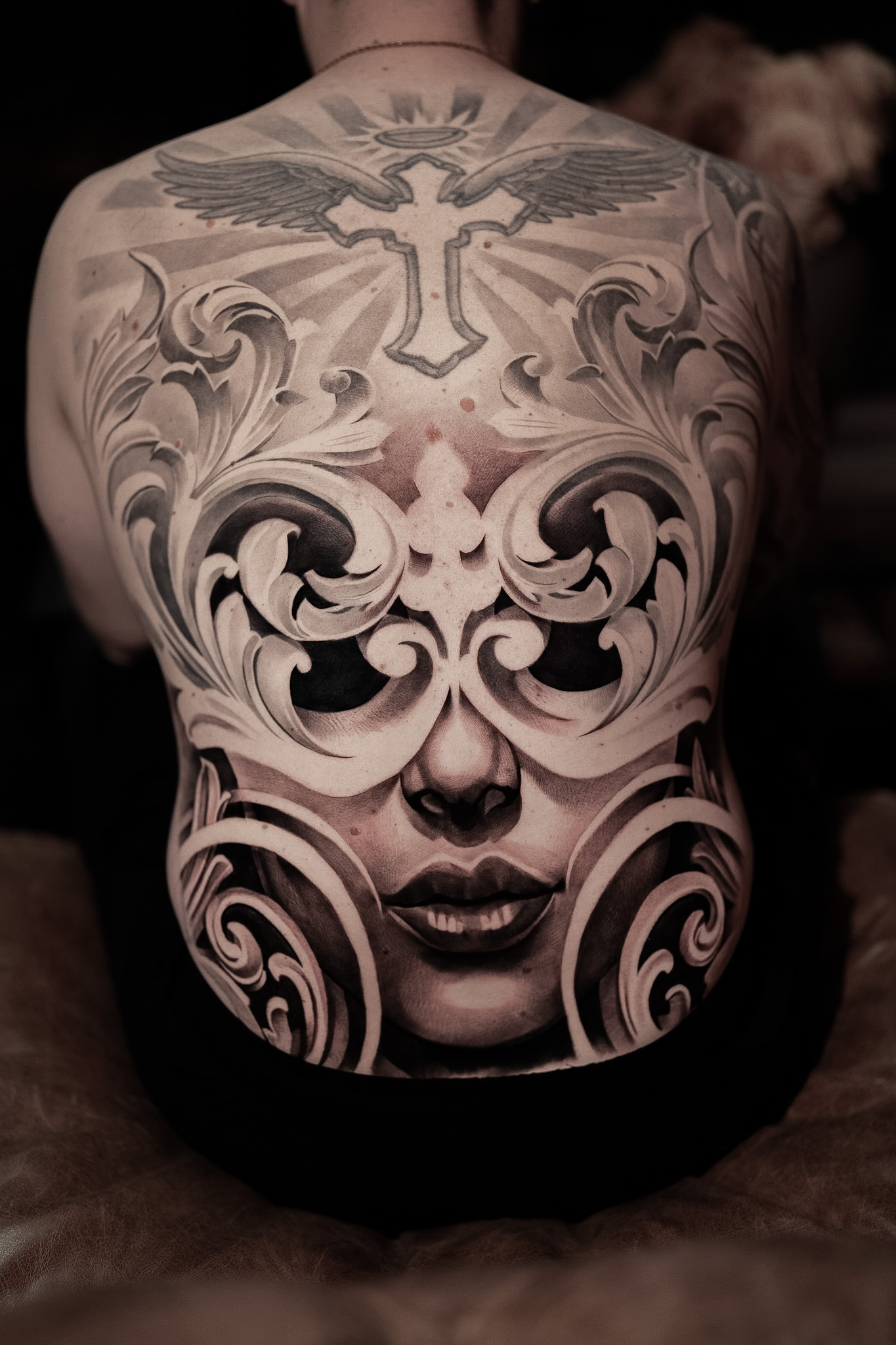
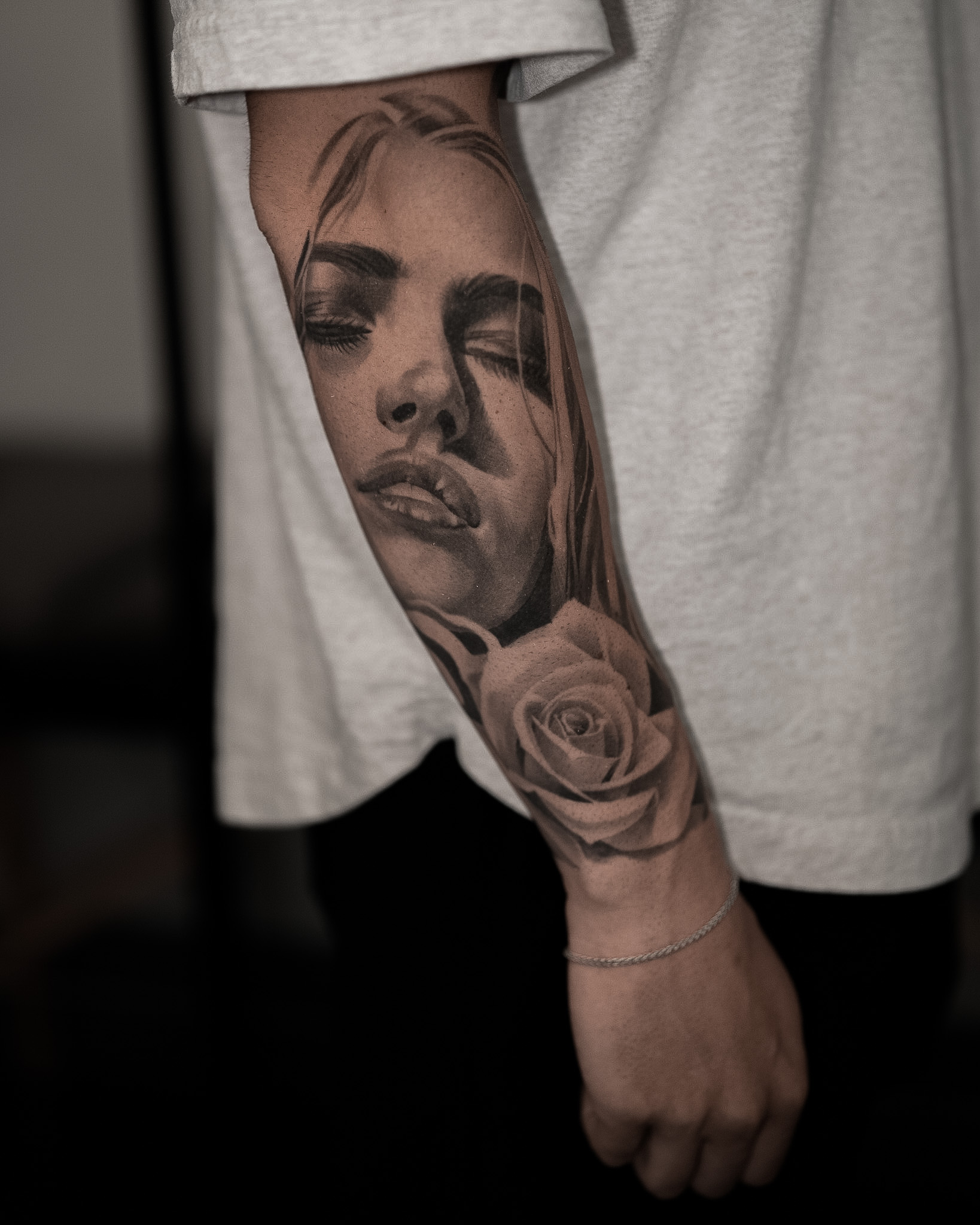
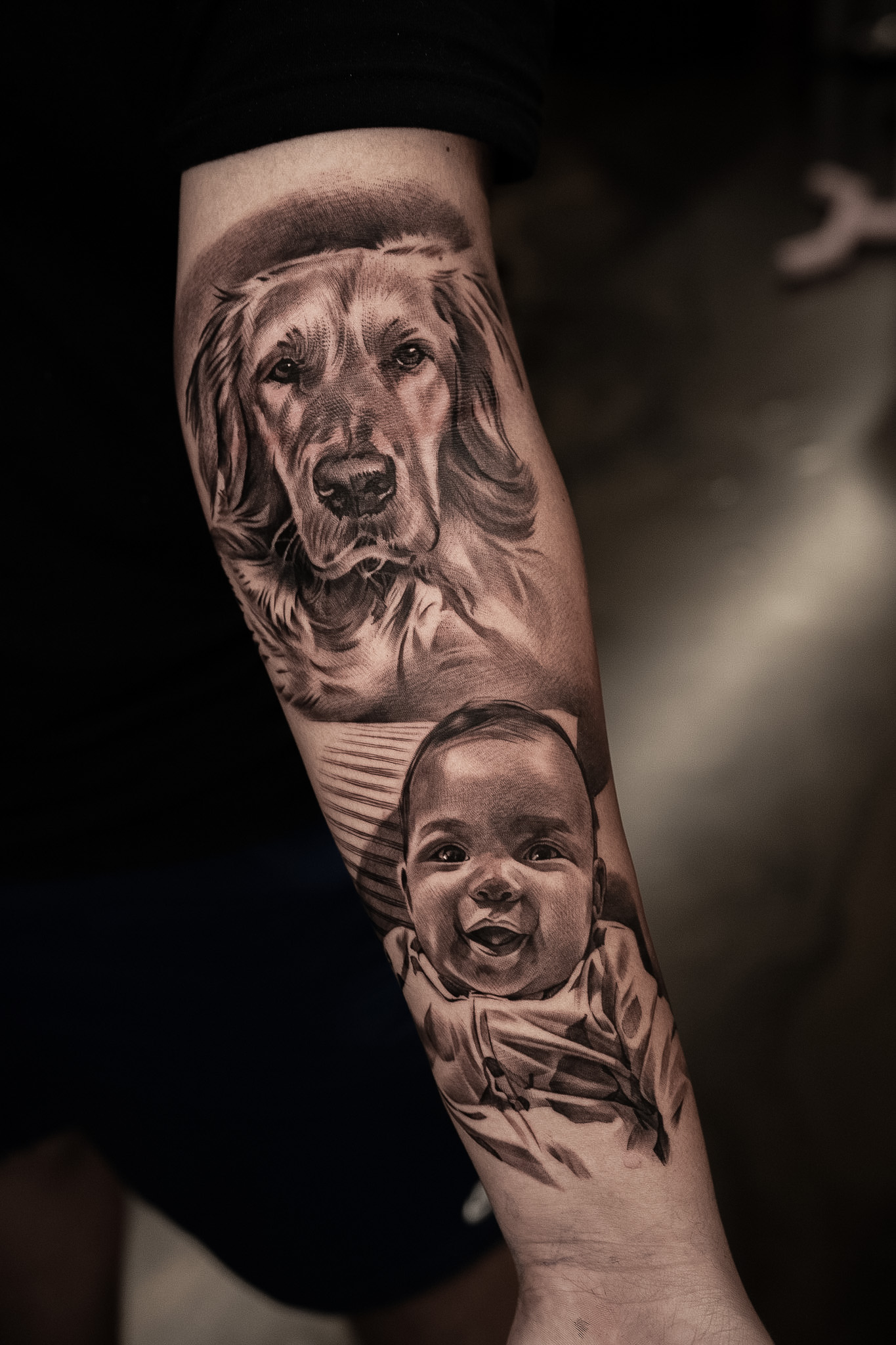
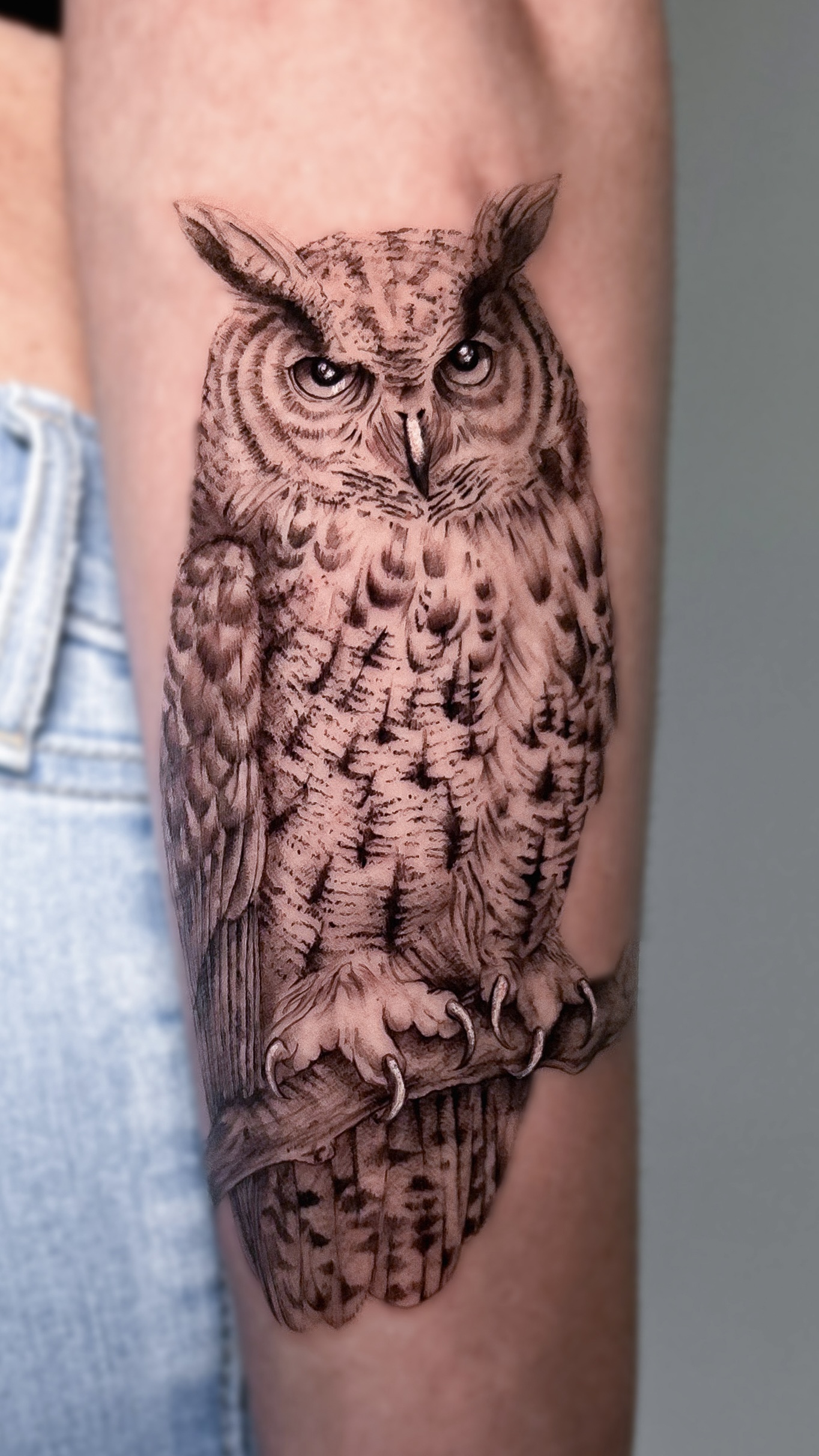
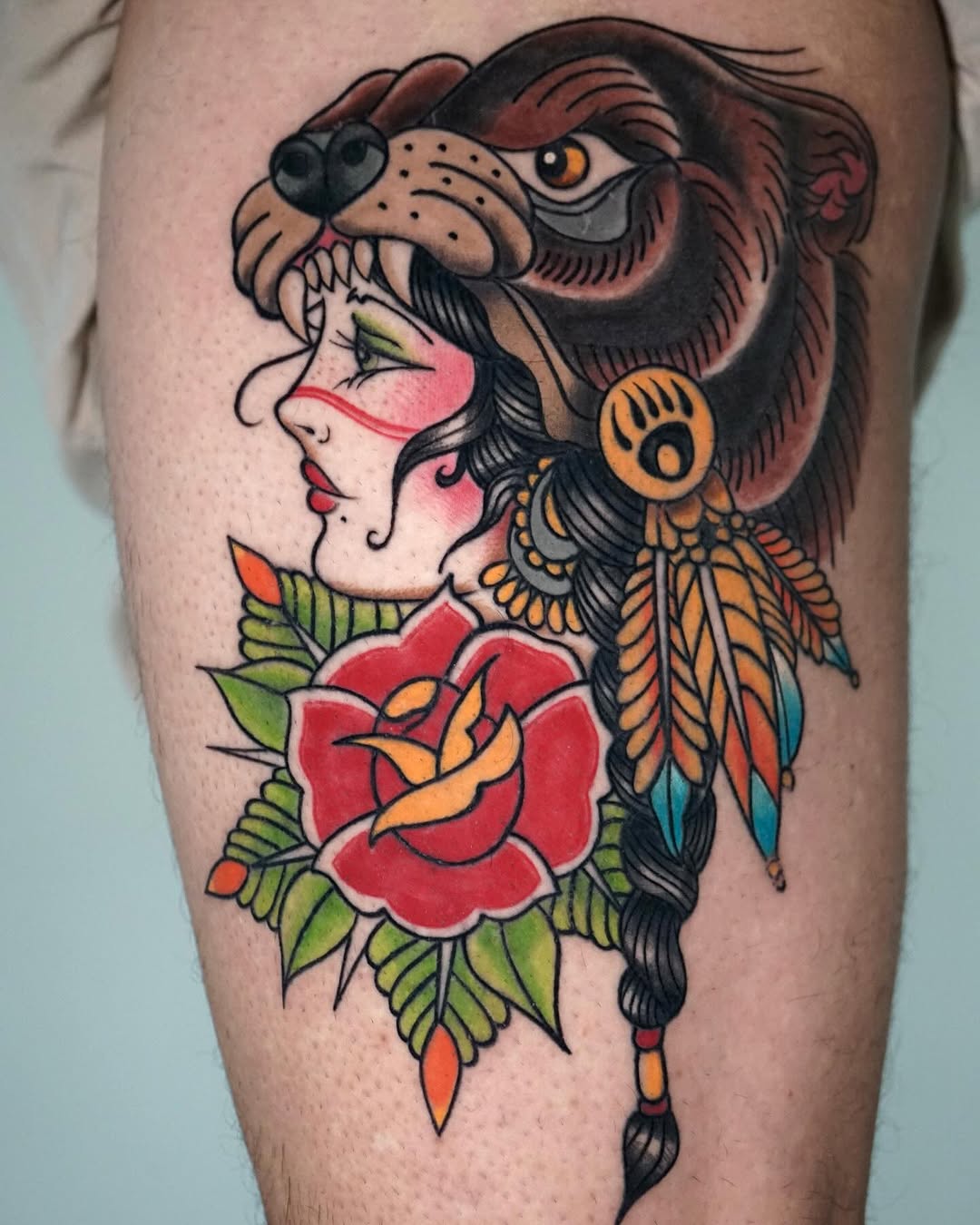
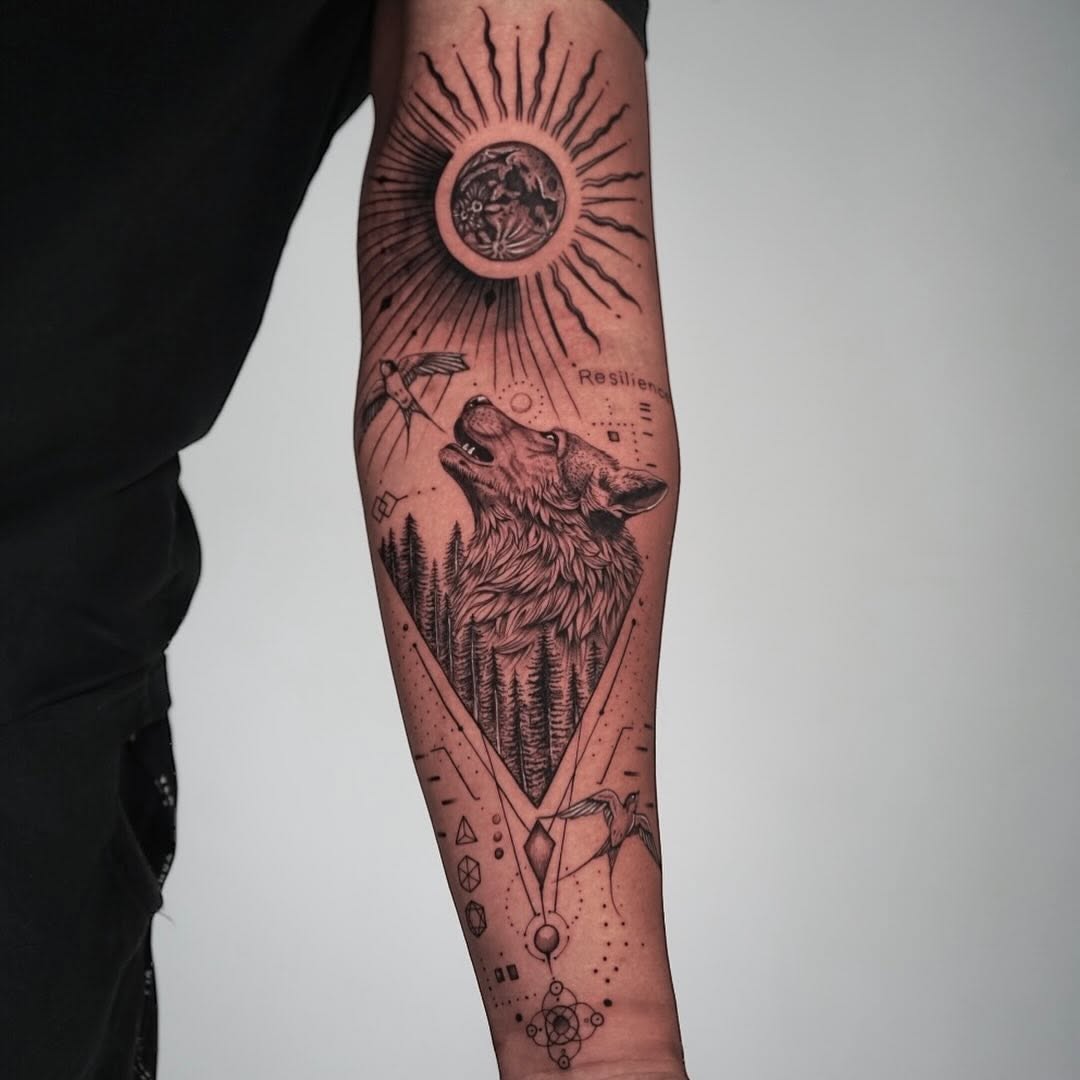
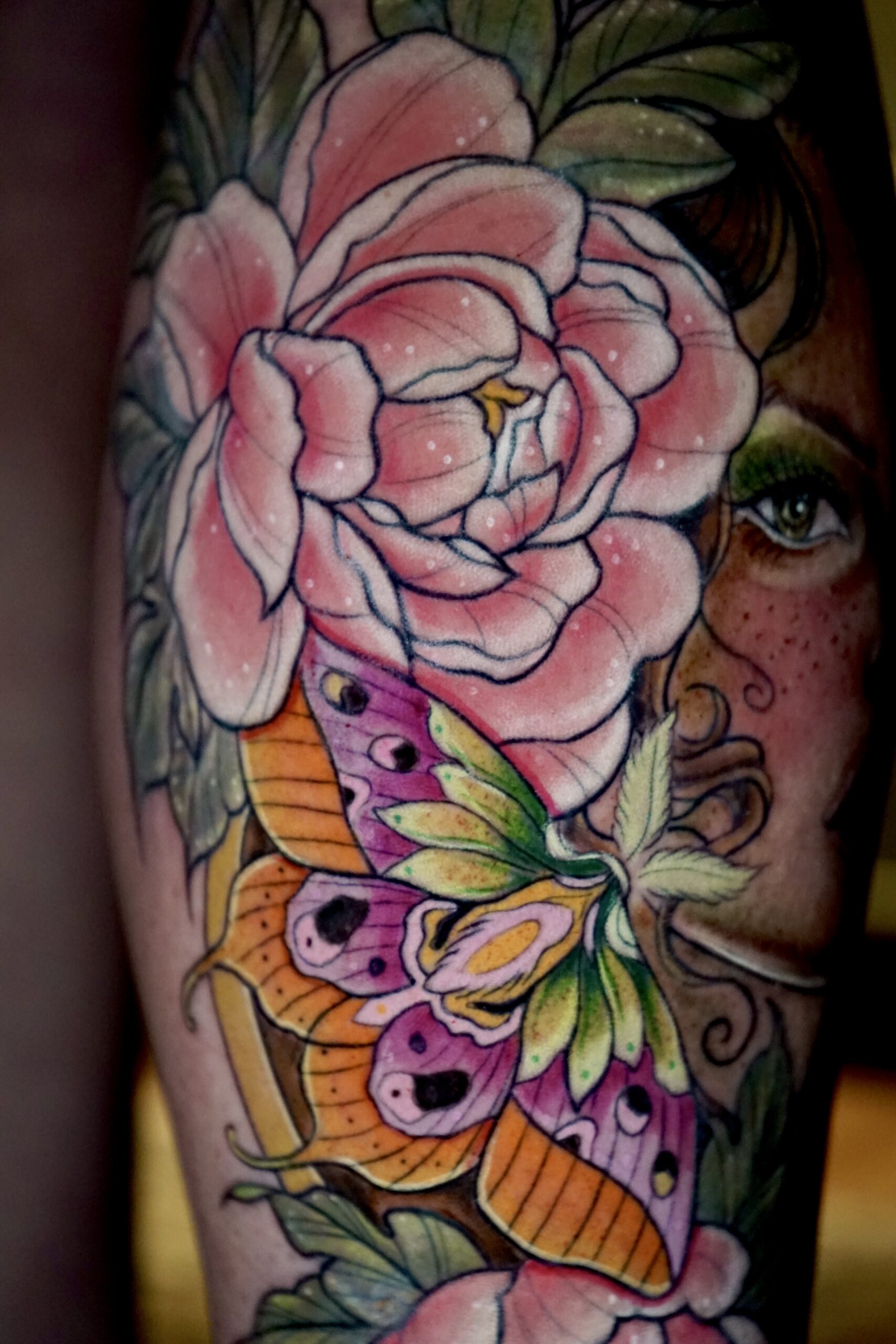
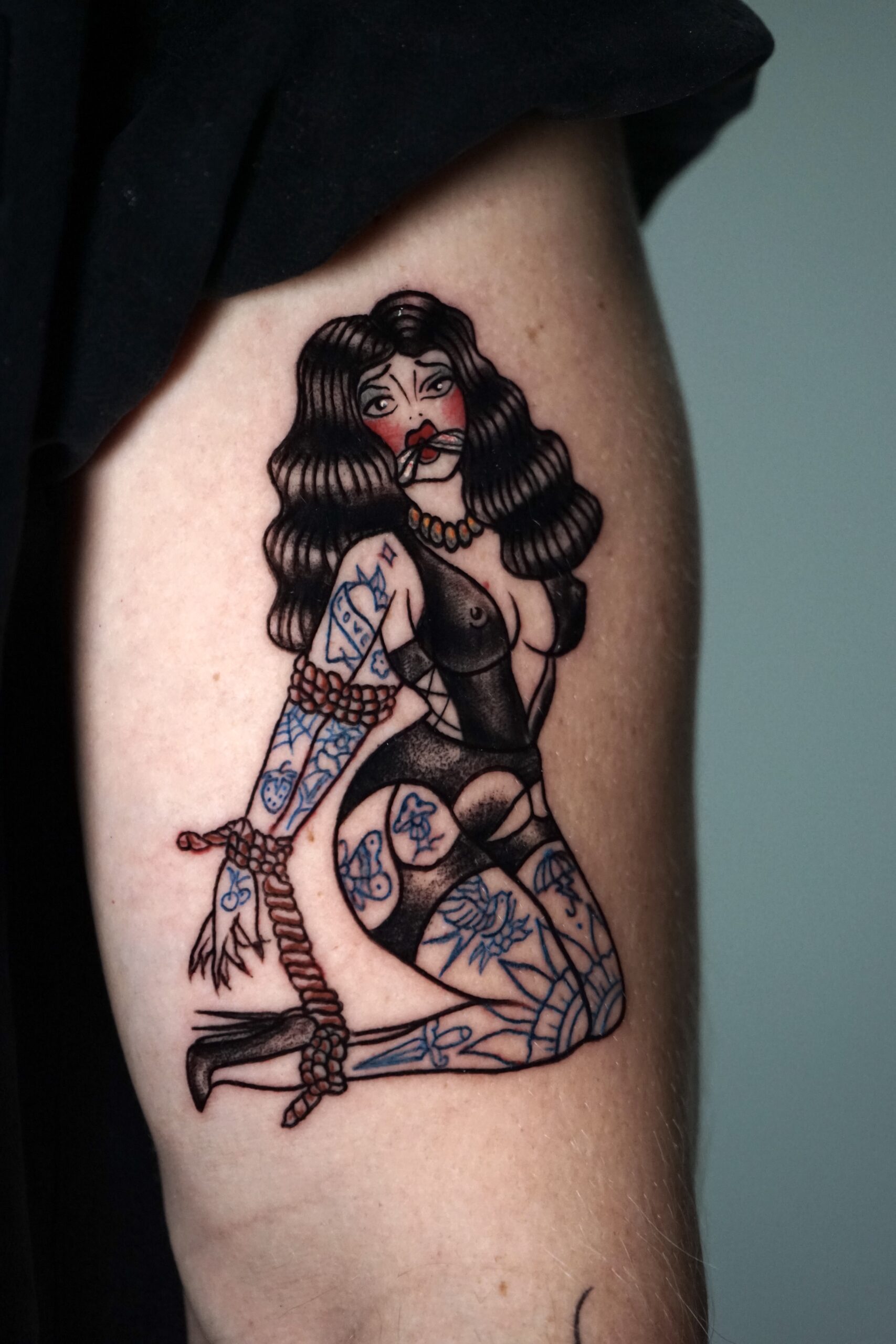
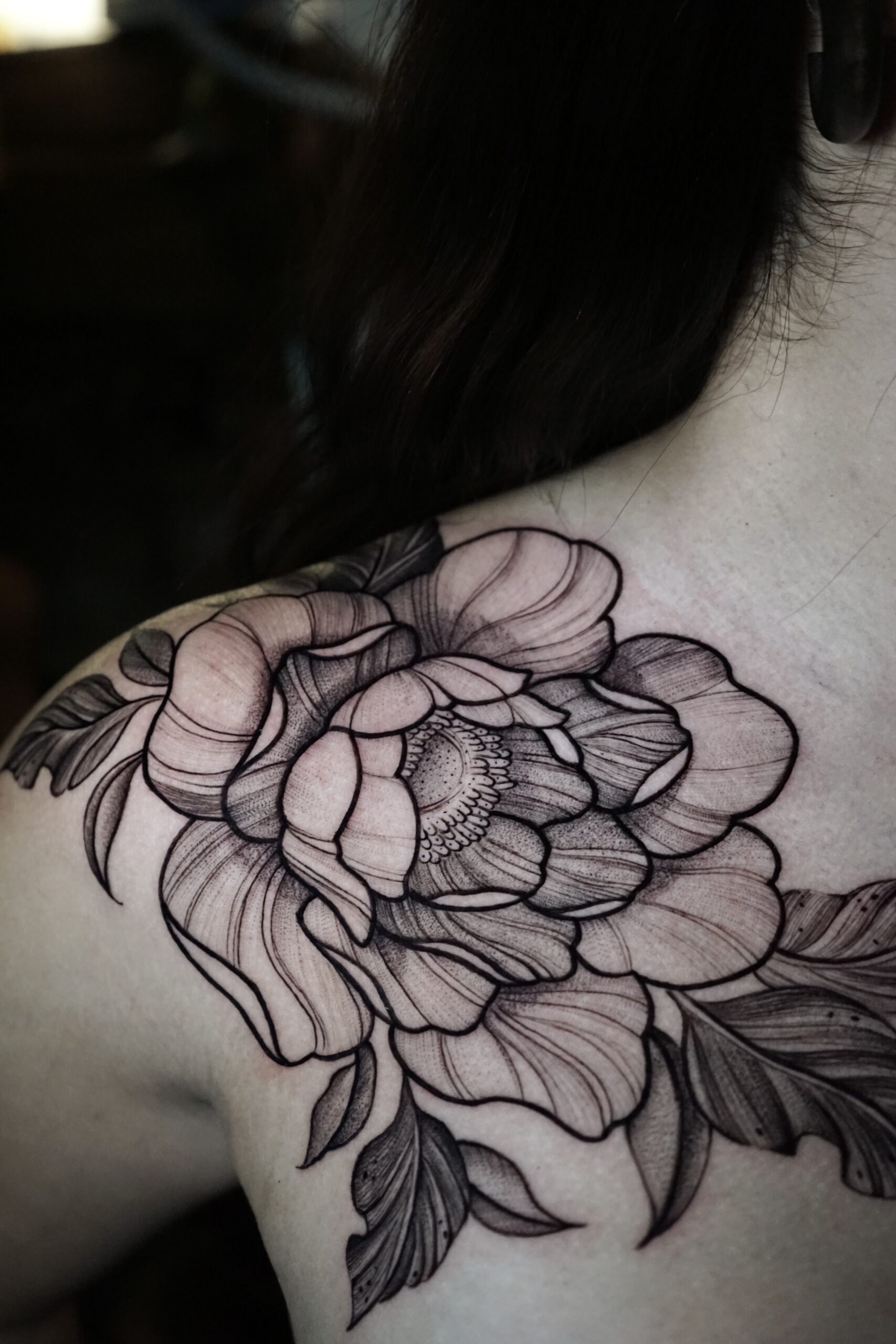
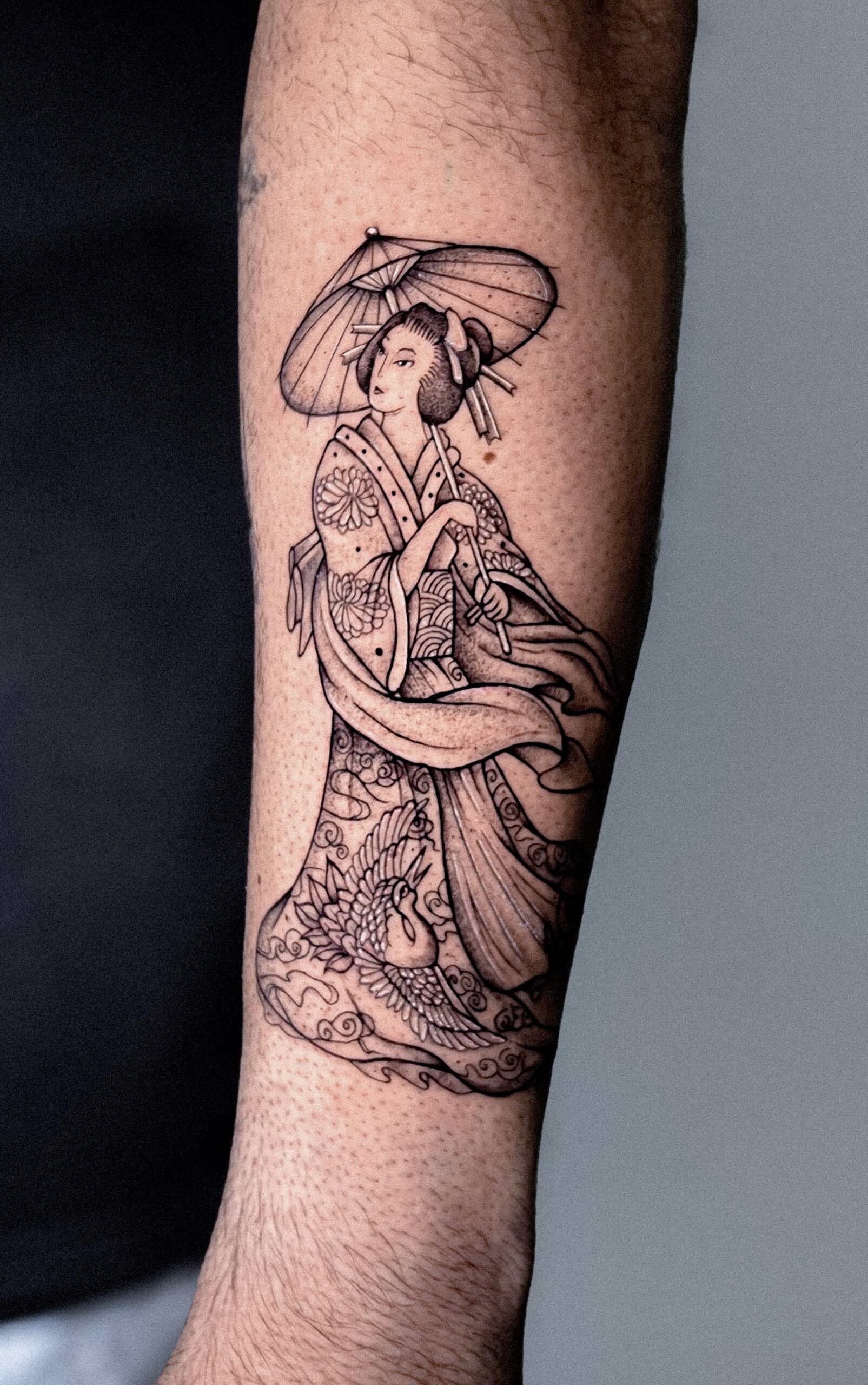
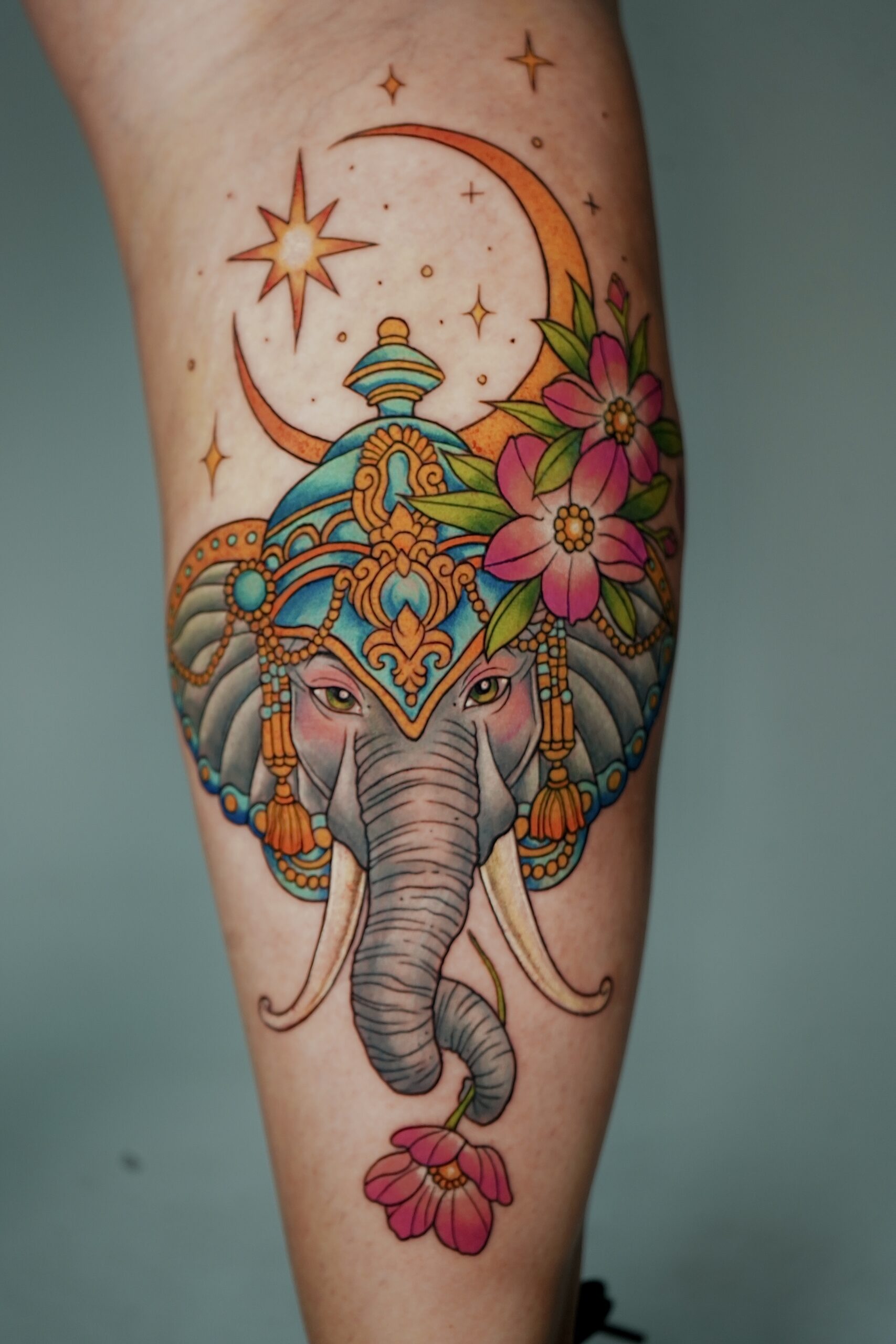
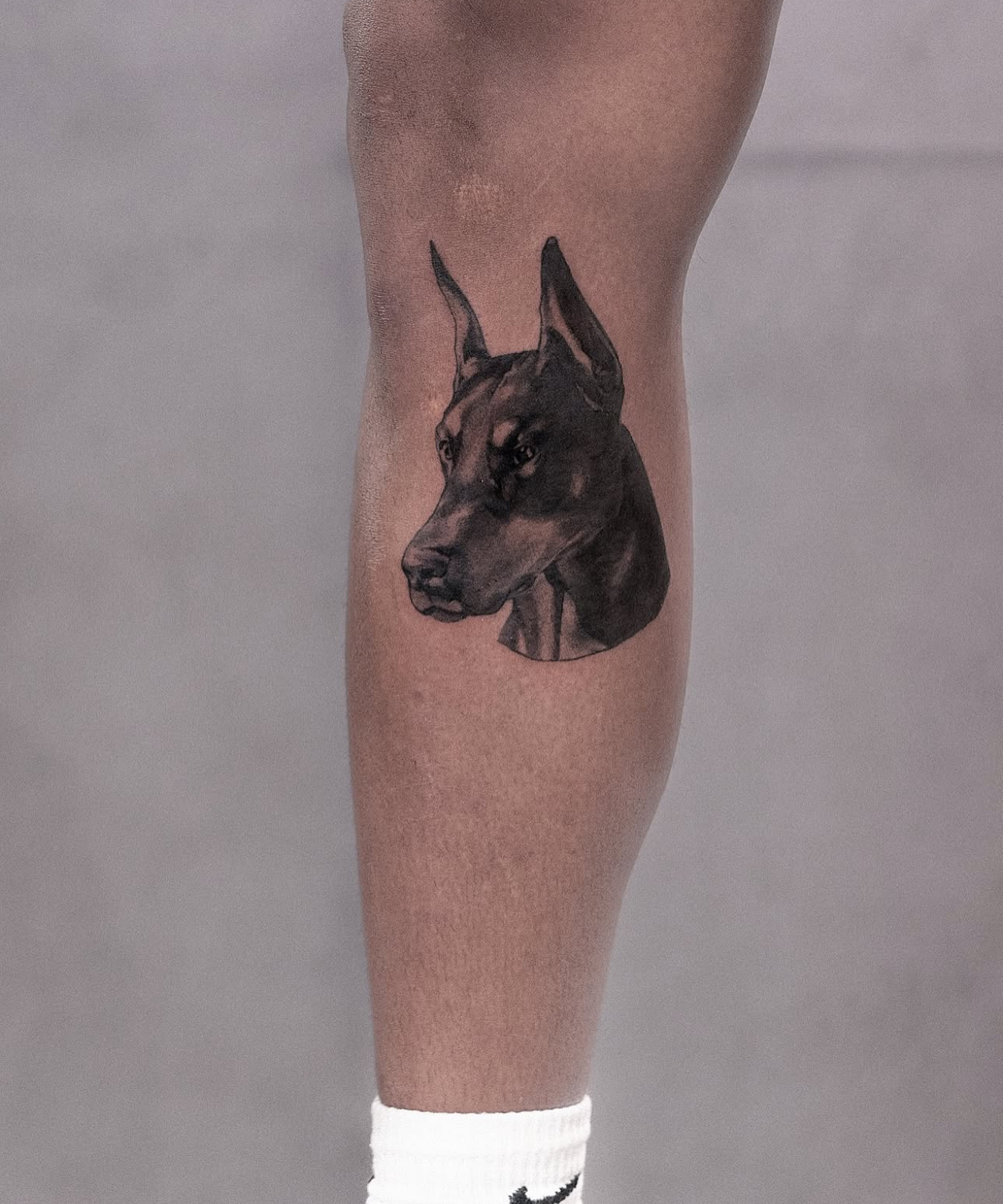
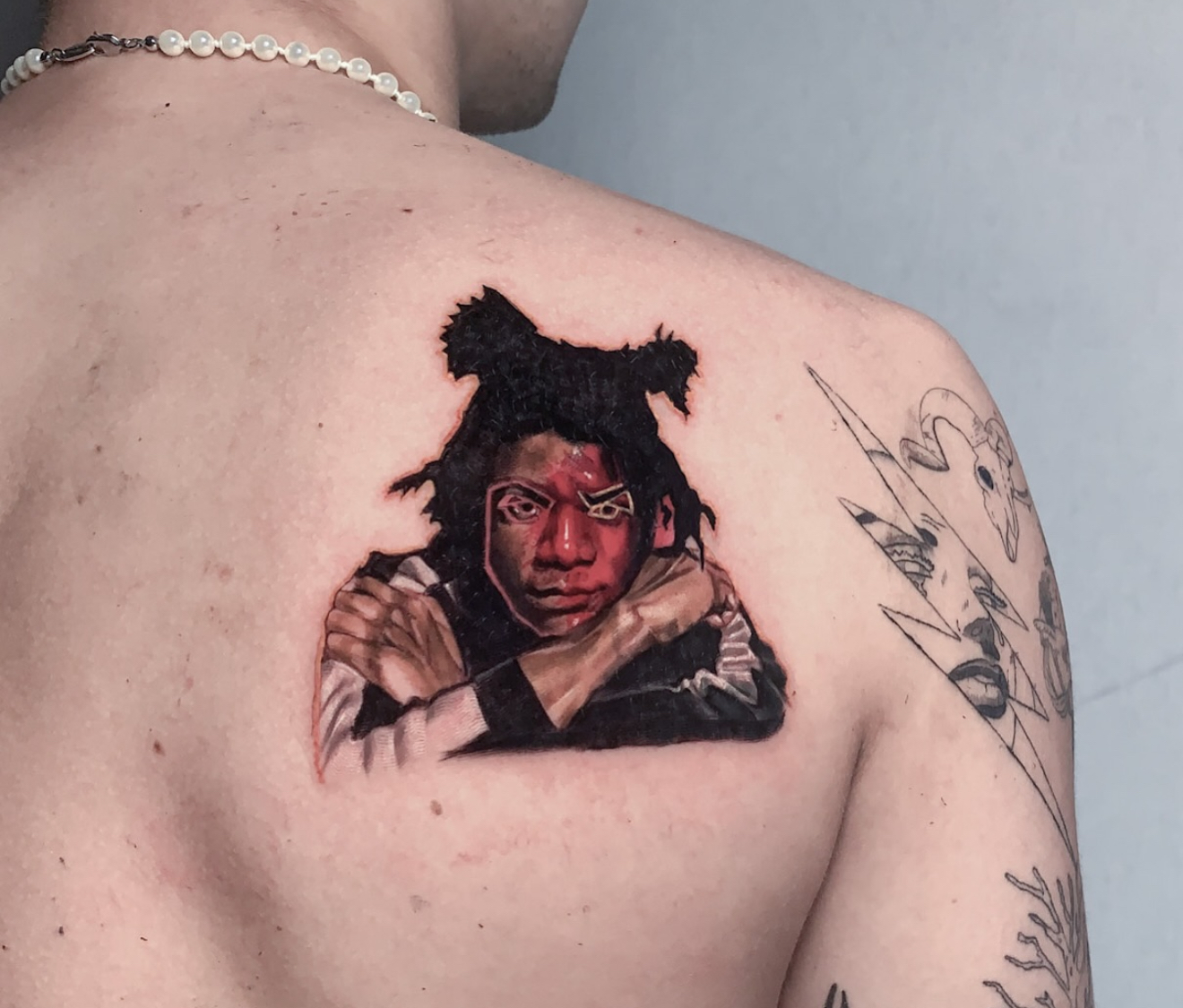
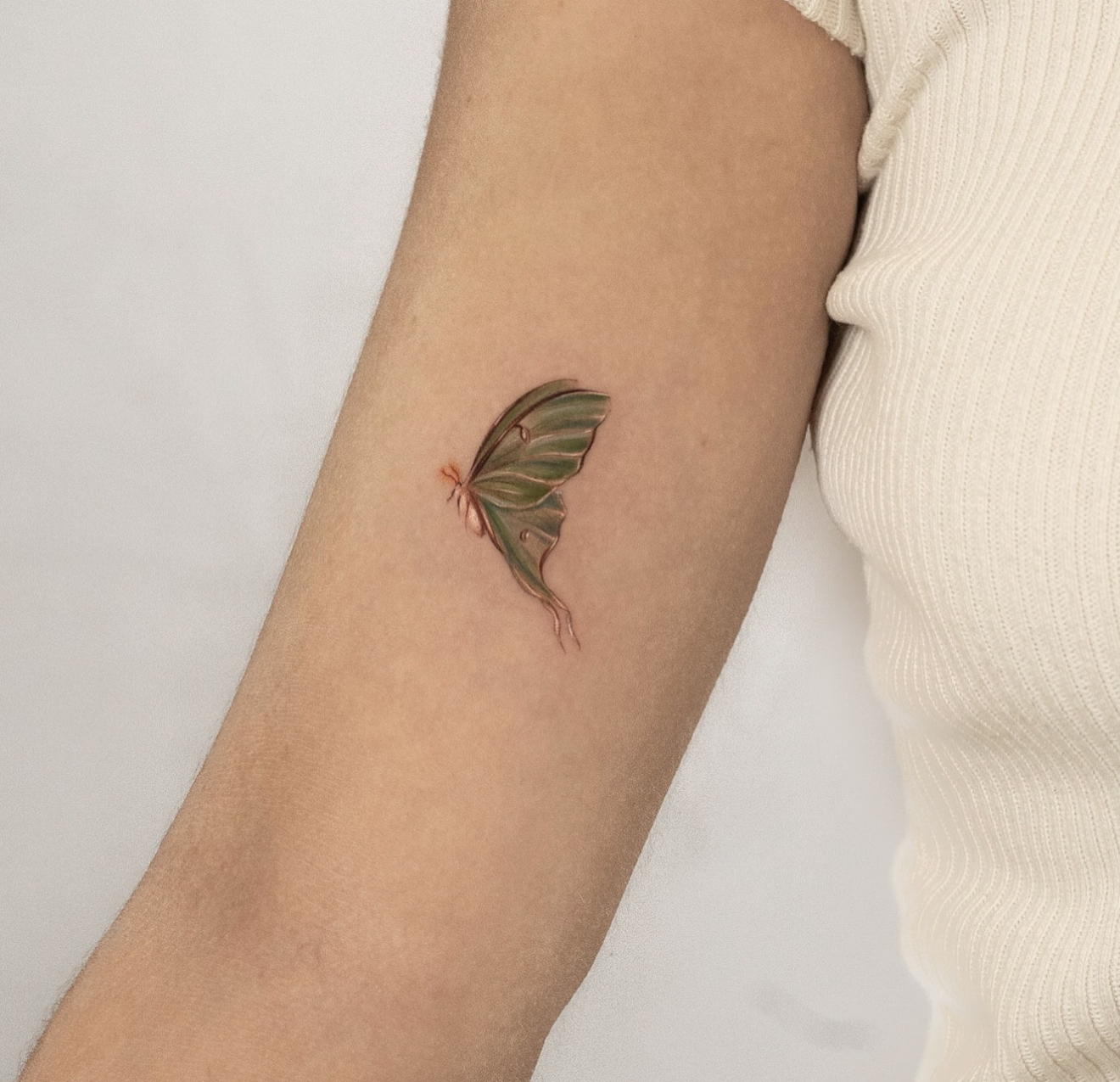
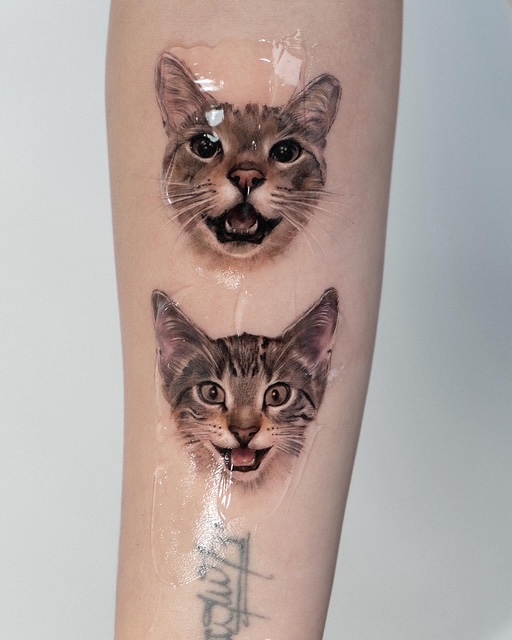
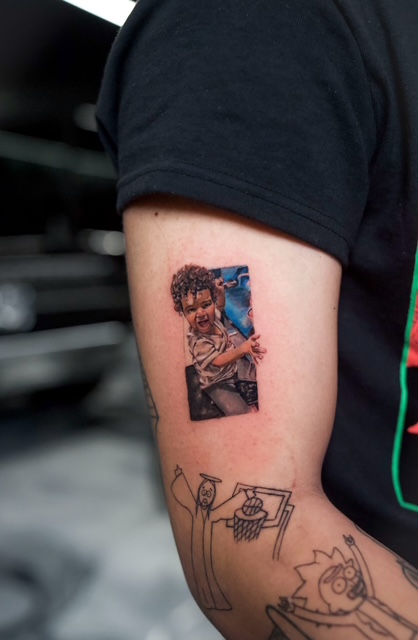
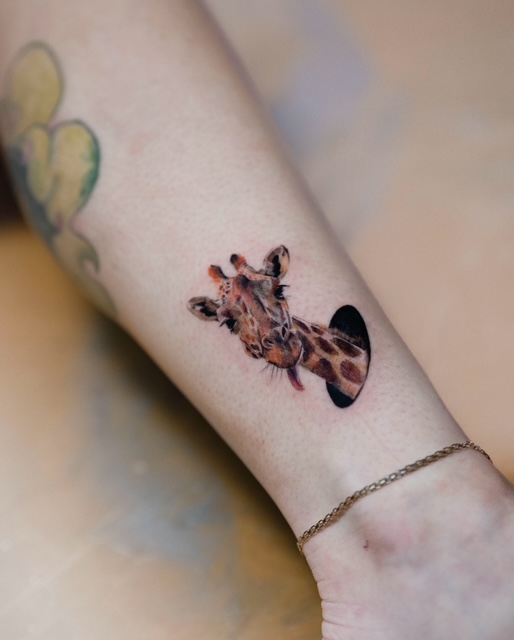
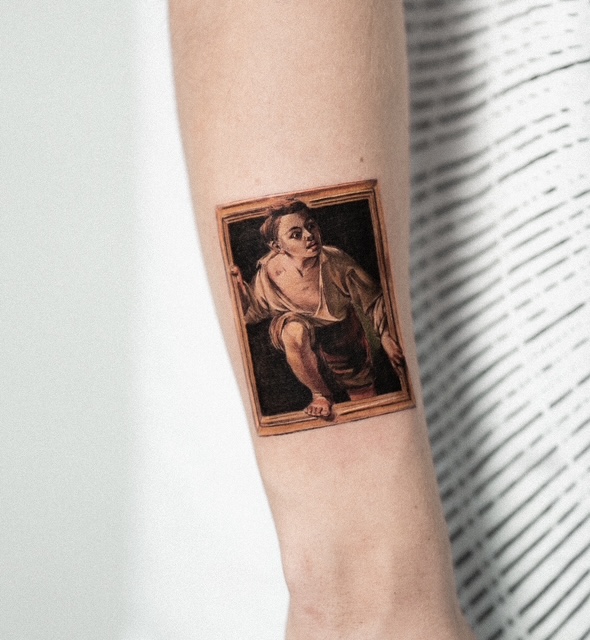
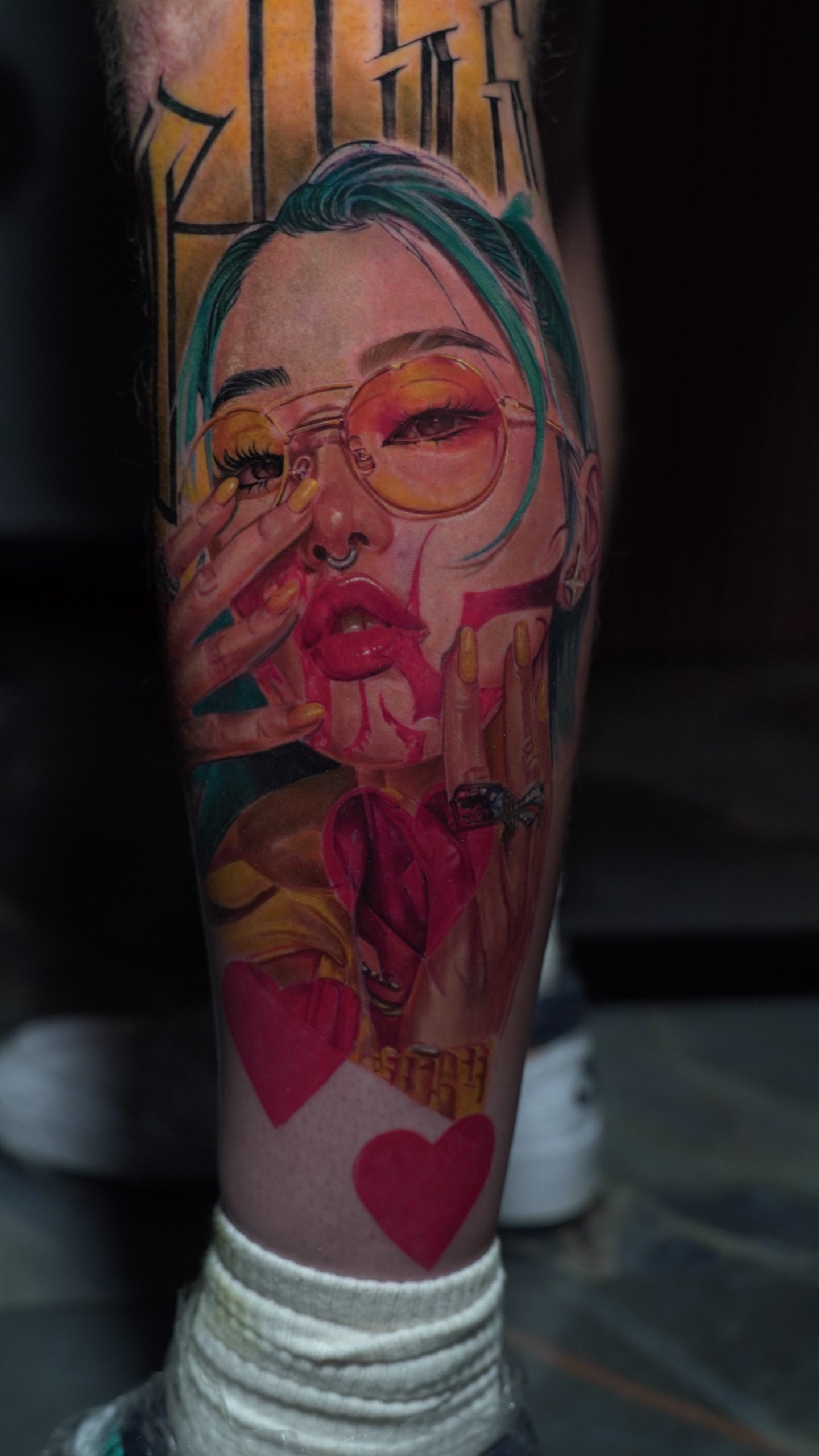
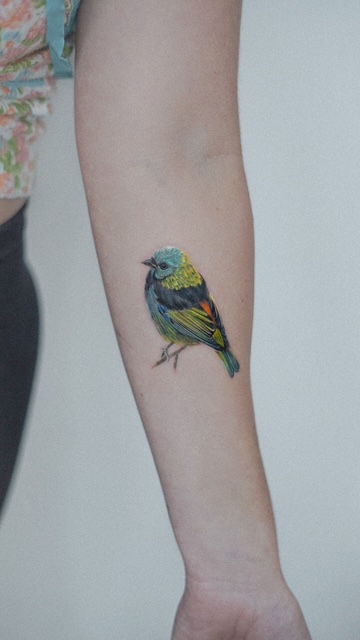
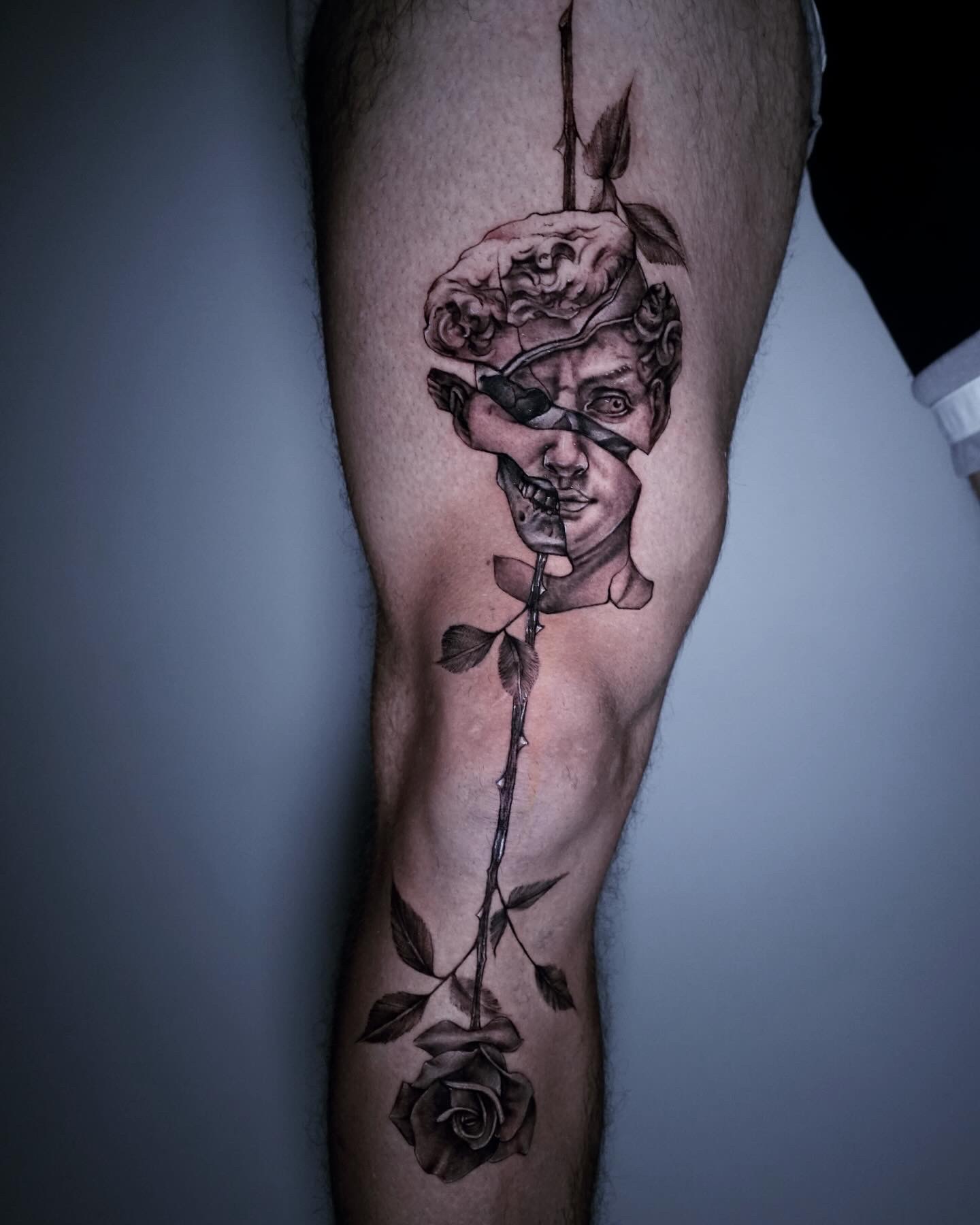
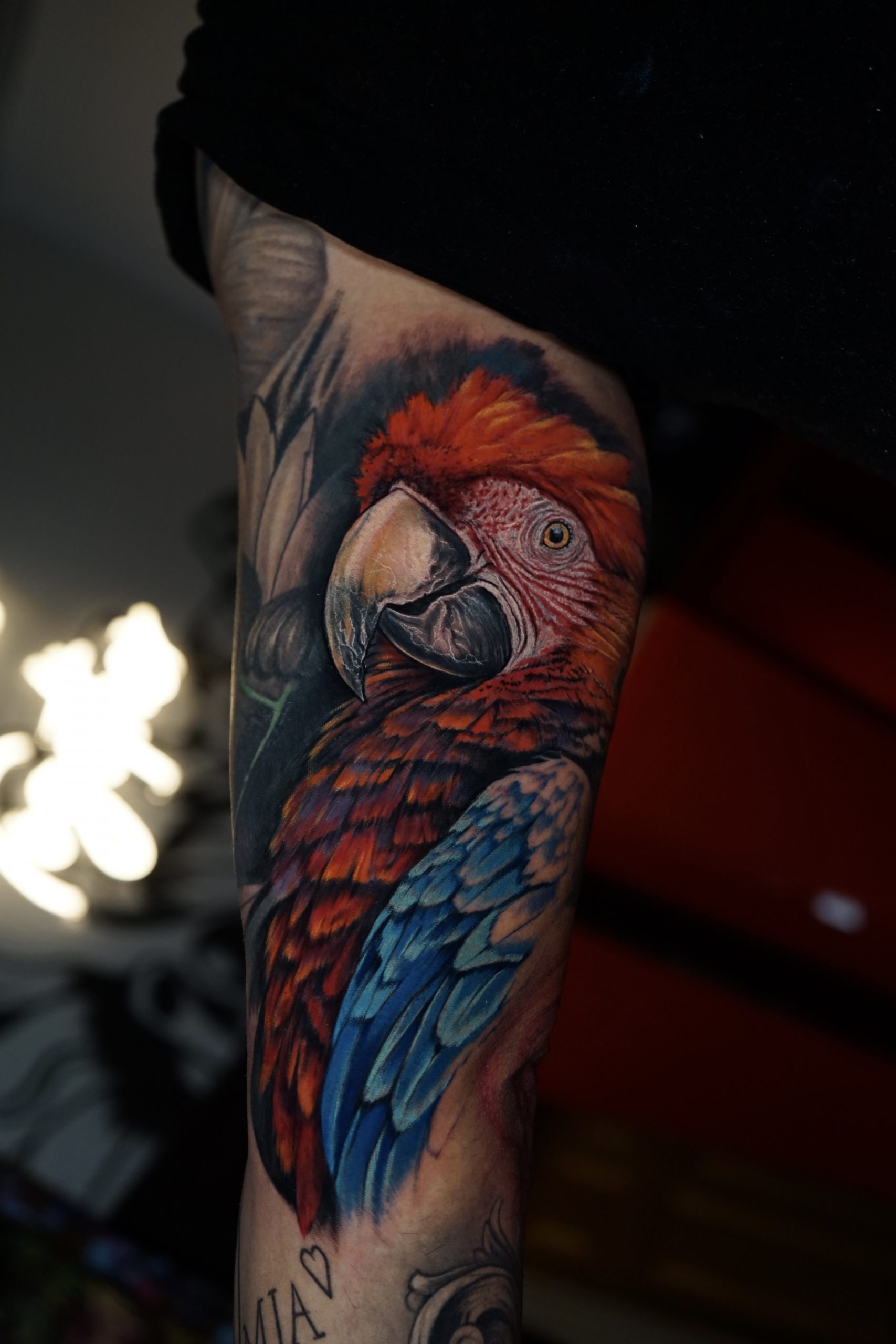
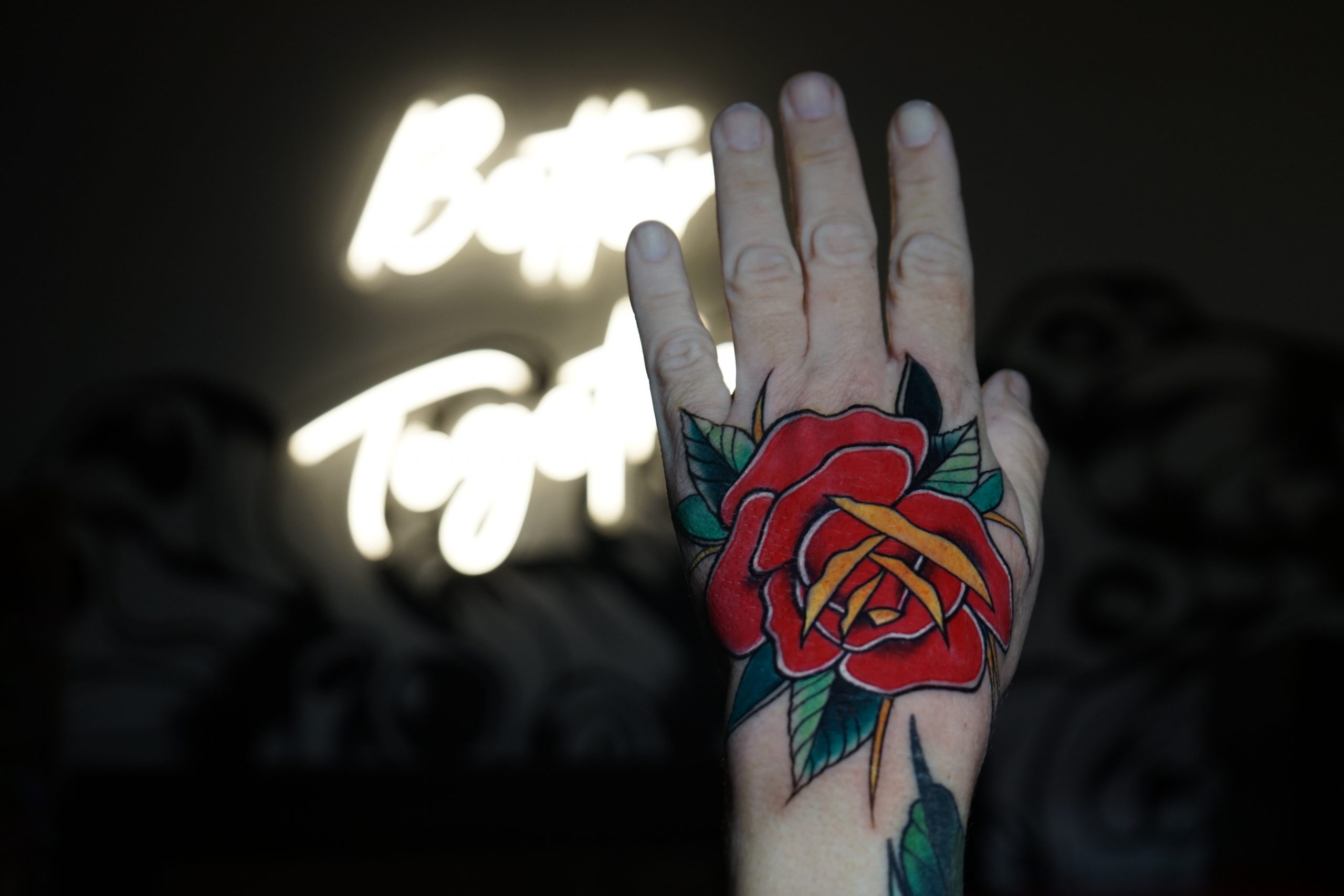
The most popular styles of tattooing include traditional, realism, watercolor, and neo-traditional. Each style offers unique artistic expressions, catering to diverse preferences and allowing clients to find the perfect design for their body art.
How do tattoo artists create custom designs?
Tattoo artists create custom designs by collaborating closely with clients, understanding their visions, and incorporating personal elements. They sketch unique concepts, often drawing inspiration from various art styles and cultural influences to ensure each tattoo is one-of-a-kind.
What is the process for booking a tattoo?
The process for booking a tattoo involves selecting your desired artist, reviewing their portfolio, and then contacting us via our website or phone to schedule a consultation or appointment.
How do tattoo artists handle client consultations?
Tattoo artists handle client consultations by engaging in open discussions to understand the client's vision, preferences, and any concerns. They provide insights on design, placement, and aftercare, ensuring a collaborative approach to create a personalized tattoo experience.
What aftercare do tattoo artists recommend?
Tattoo artists recommend keeping the tattoo clean and moisturized, avoiding direct sunlight, and refraining from picking or scratching the area. Following these guidelines helps ensure proper healing and preserves the quality of the artwork.
How do tattoo artists ensure color longevity?
Tattoo artists ensure color longevity by using high-quality inks, applying proper techniques during the tattooing process, and providing aftercare instructions to clients. This combination helps maintain vibrant colors over time, preventing fading and ensuring lasting artistry.
How do tattoo artists build their portfolios?
Tattoo artists build their portfolios by showcasing their best work, including a variety of styles and techniques, often through high-quality photographs of completed tattoos. They may also include client testimonials and participate in conventions to expand their visibility.
What are common misconceptions about tattoo artists?
Common misconceptions about tattoo artists include the belief that they are unprofessional or lack formal training. In reality, many artists are highly skilled professionals committed to their craft, often undergoing extensive training and education to ensure quality and safety in their work.
How do tattoo artists stay updated on trends?
Tattoo artists stay updated on trends through continuous research, attending industry conventions, following influential artists on social media, and participating in workshops. This commitment to learning ensures they incorporate the latest styles and techniques into their work.
What is the role of a tattoo apprentice?
The role of a tattoo apprentice is to learn the art of tattooing under the guidance of experienced artists, gaining hands-on experience, mastering techniques, and understanding the importance of hygiene and client interaction in a professional studio environment.
How do tattoo artists manage client expectations?
Tattoo artists manage client expectations by clearly communicating the design process, discussing potential outcomes, and addressing any concerns upfront. This ensures clients have a realistic understanding of what to expect from their tattoo experience.
What are the risks of getting a tattoo?
The risks of getting a tattoo include potential allergic reactions, infections, and complications during the healing process. Additionally, improper aftercare can lead to fading or scarring, so it's essential to choose a reputable studio and follow care instructions.
How do tattoo artists handle difficult clients?
Tattoo artists handle difficult clients by maintaining professionalism, actively listening to concerns, and finding common ground. They prioritize clear communication and strive to ensure a positive experience while setting appropriate boundaries to manage expectations.
What is the significance of tattoo placement?
The significance of tattoo placement lies in its impact on visibility, personal expression, and cultural meaning. Different locations can convey different messages and emotions, influencing how the tattoo is perceived by others and the wearer.
How do tattoo artists collaborate with clients?
Tattoo artists collaborate with clients by discussing ideas, preferences, and inspirations to create personalized designs. This process often involves consultations, sketching, and feedback, ensuring the final artwork reflects the client's vision and style.
What are the best practices for tattoo removal?
The best practices for tattoo removal include consulting a qualified professional, using laser removal techniques, and following post-treatment care instructions to ensure optimal healing and results.