Inked Insights
How Tattoo Prices Vary: Size, Design, and Location Explained
Share this post!
Understanding Tattoo Pricing: How Size, Complexity, and Location Affect Your Cost
Budgeting for a tattoo shouldn’t feel like guesswork, but for many, the lack of a standardized “menu” makes the process feel overwhelming. To solve this, it helps to look at the specific variables that professional artists use to build a quote. Whether you are visiting our New York City location for a minimalist piece or a full-scale realism project, understanding how variables like time, design, and artist expertise interact will help you book with confidence.
This guide breaks down the essential factors of “tattoo math,” from our shop minimums to the premium associated with world-class craftsmanship.
The Shop Minimum: Why it Exists
Before we get into the variables of size and style, it’s important to understand the base level of any appointment. At Inked Tattoo Studios, our shop minimum is $100. This base fee ensures that even the smallest tattoo receives the same elite standard of care as a full-sleeve project.
This minimum covers the non-negotiable costs of every session: medical-grade disinfectant, high-end pigments, and single-use needles. Even if a tattoo only takes fifteen minutes to apply, the preparation and sanitation protocols remain the same. The minimum ensures we never compromise on the hygienic, high-end environment you expect when you walk through our doors.
How Does Tattoo Size Influence Your Final Cost?
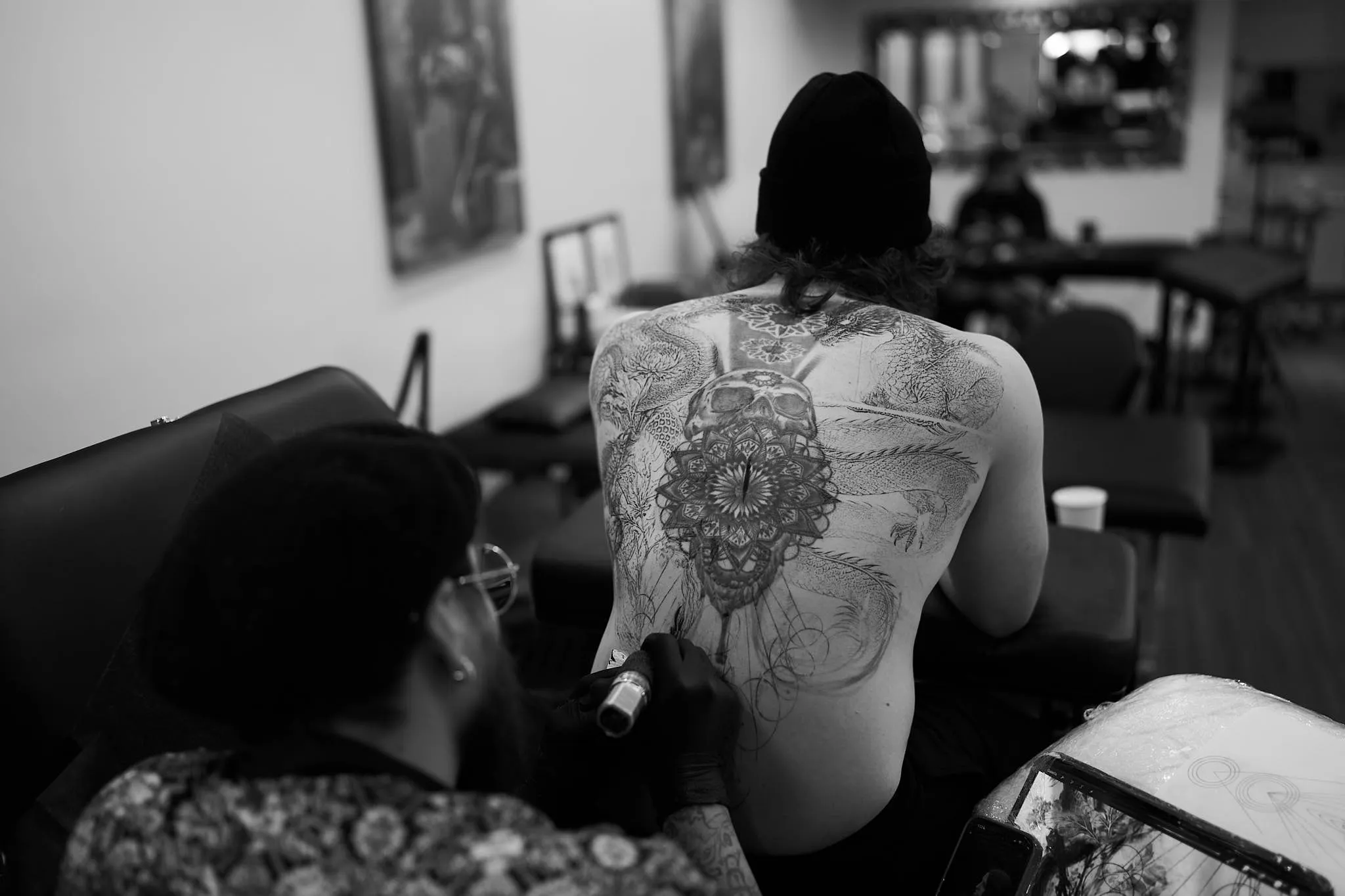
The size of a tattoo is usually the first detail an artist looks at when providing an estimate. It makes sense: larger tattoos require more time, more ink, and more focus. However, size is not just about the surface area. It also dictates how many sessions you’ll need and how the artist manages their calendar.
Hourly Rates vs. Flat Fees
Most tattoo artists at elite studios charge by the hour. This rate reflects their years of experience and their technical specialty. If a design is large, the artist is essentially blocking out their entire day—or multiple days—just for you. This means the cost reflects the technical labor as well as the physical toll of a long-haul session.

The Cost of Design Complexity
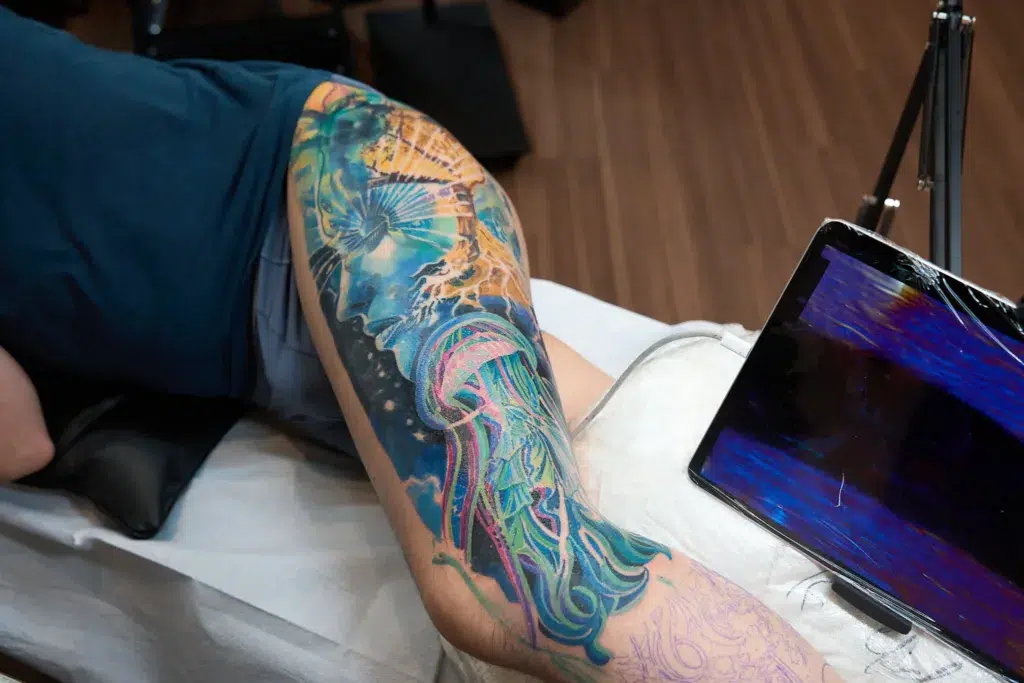
Complexity is often the hidden factor in tattoo pricing. Two tattoos of the exact same size can have vastly different price tags if one is a simple outline and the other is a hyper-realistic portrait. The intricacy of a design directly influences the skill required to execute it perfectly.
Simple, Moderate, and Intricate Work
- Simple Designs: These involve basic shapes, solid silhouettes, or clean typography. Since they are straightforward to stencil and ink, they stay closer to the base price of their size category.
- Moderate Designs: These might include soft shading, multiple colors, or more involved line work. You can expect these to fall in the mid-range of an artist’s quote.
- Intricate Designs: This is where the price reflects the expertise. High-detail work like microrealism, complex geometric patterns, or neo-traditional pieces with heavy color blending requires a master’s touch and a significant time commitment.
Many of our artists also offer “Flash” designs—pre-drawn pieces with a set price. This is a great way to get high-quality art at a predictable cost because the artist has already calculated exactly how much time and effort the piece requires.
How Does Tattoo Style Dictate the Price Tag?
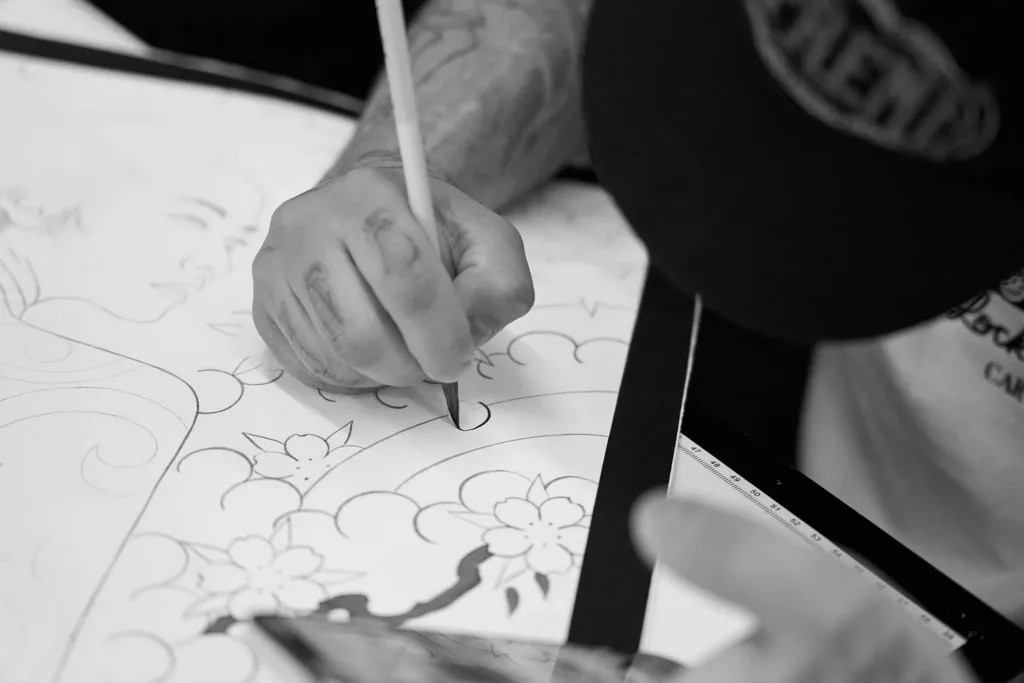
The style you choose is a major driver of complexity. For example, a Traditional tattoo with bold lines is often faster to complete than a Realism piece. Realism requires building up layers of grey wash or color to create depth, which is a slow and meticulous process. If you are looking for a custom design, you are also investing in the hours the artist spends behind the scenes drawing and revising your piece before you even sit in the chair at the studio.
How Does Location Impact the Price?
Where you get tattooed can be just as impactful as the design itself. Operating a sterile, high-end studio in the center of Manhattan carries a much higher overhead than a shop in a smaller suburb.
Comparing Major Hubs
Tattoo prices across major cities reflect the local cost of living and the demand for top-tier talent. In 2026, New York remains a premium market because it attracts some of the most renowned artists in the world. While you might find lower rates in smaller cities, the flagship studios in major hubs offer access to specialized expertise and safety standards that are hard to find elsewhere.
Choosing a studio in a major city often means you are paying for a more curated experience and an artist with a global reputation for their craft.
Estimating Your Cost Before You Book
While online calculators are okay for a rough guess, the only way to get a true price is through a direct conversation. We recommend a few simple steps to help you budget for your next piece.
The Consultation
Most reputable studios offer a consultation where you can sit down with an artist to discuss your vision. During this meeting, be ready to talk about:
- Placement: Where is the tattoo going? Harder-to-reach areas can take longer to tattoo.
- Detail Level: Do you want a loose sketch-style piece or something hyper-realistic?
- Reference Images: Showing an artist what you like helps them estimate the total hours required.
After this talk, the artist will usually give you a flat quote or an estimated hourly range. For large, multi-session projects, they will likely provide a “per session” rate.
Don’t Forget Aftercare
It is always worth considering the cost of tattoo aftercare when you budget. A tattoo is a permanent investment, and how it heals is just as important as how it was applied. Budgeting for high-quality ointments and cleansers ensures your new art heals perfectly and stays vibrant for the long haul.
Investing in Your Art
Ultimately, a tattoo is a permanent investment in your self-expression. While the price is influenced by size and location, the most important factor is the quality of the work and the safety of the environment.
If you are ready to move from inspiration to application, book your session at Inked today and collaborate with our world-class team on your next custom piece.

Frequently Asked Questions
Why do I have to pay a shop minimum for a tiny tattoo?
The shop minimum covers the non-negotiable costs of every appointment. This includes the sterile setup, high-quality single-use supplies, and the artist’s time spent on prep and consultation. It ensures every client receives the same elite standard of safety and care.
Do I need to pay a deposit?
Yes, most professional artists require a deposit to secure your spot on their calendar. This deposit is usually applied to the final cost of your tattoo but is non-refundable if you miss your appointment or cancel at the last minute.
Is drawing time included in the quote?
This depends on the artist. Some include a certain amount of design time in their flat fee, while others may charge a separate design fee for very complex custom pieces. It is always best to ask during your consultation.
Why are some artists in the same shop more expensive than others?
Pricing typically reflects an artist’s experience level, their demand, and their technical specialty. A senior artist who has been tattooing for decades or who specializes in something difficult like microrealism will naturally have a higher rate.
Is it standard to tip my artist?
Tipping is a standard way to show appreciation in the tattoo industry. A typical tip is around 15% to 20% of the session total, reflecting the creative effort and care the artist put into your piece.