Inked Insights
Custom Tattoo Designs vs Traditional Style: Which Is Better?
Share this post!
Custom Tattoo Designs vs. American Traditional Style: Which Is Right for You?
The hardest part about getting a tattoo? It’s usually not the needle. It’s the decision-making process that happens long before you sit in the chair. For many, that decision involves navigating two distinct artistic philosophies: a bespoke design created from a blank canvas or a timeless traditional style that has remained relevant for over a century. One approach offers a hyper-personalized piece of art, while the other connects you to a gritty, iconic lineage of craftsmanship.
Whether you are looking for a one-of-a-kind masterpiece or a bold icon that will never go out of style, understanding the technical and cultural differences between these paths is the first step toward a successful session. From our newest studio in Las Vegas to our flagship home in the heart of NYC, we specialize in both. Here is a breakdown of how these styles work, how to choose the right one for you, and what to expect when you step into the studio.
The Appeal of Custom Tattoo Designs
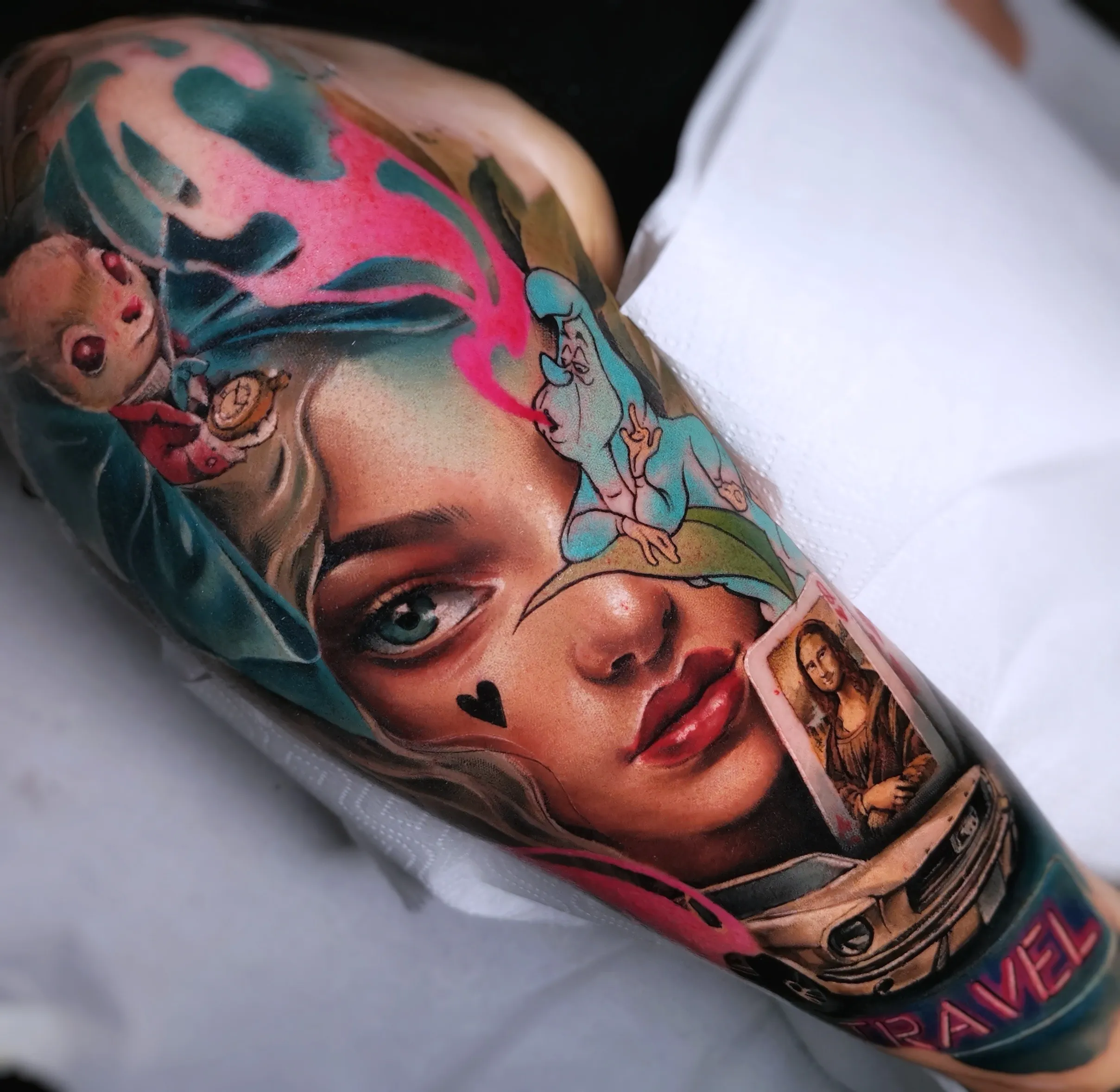
A custom tattoo is a piece of art created specifically for you. Instead of picking a drawing off a wall or out of a book, you work with an artist to build something from scratch. This is the ultimate way to ensure your ink is a “one-of-one” original.
Why Go Custom?
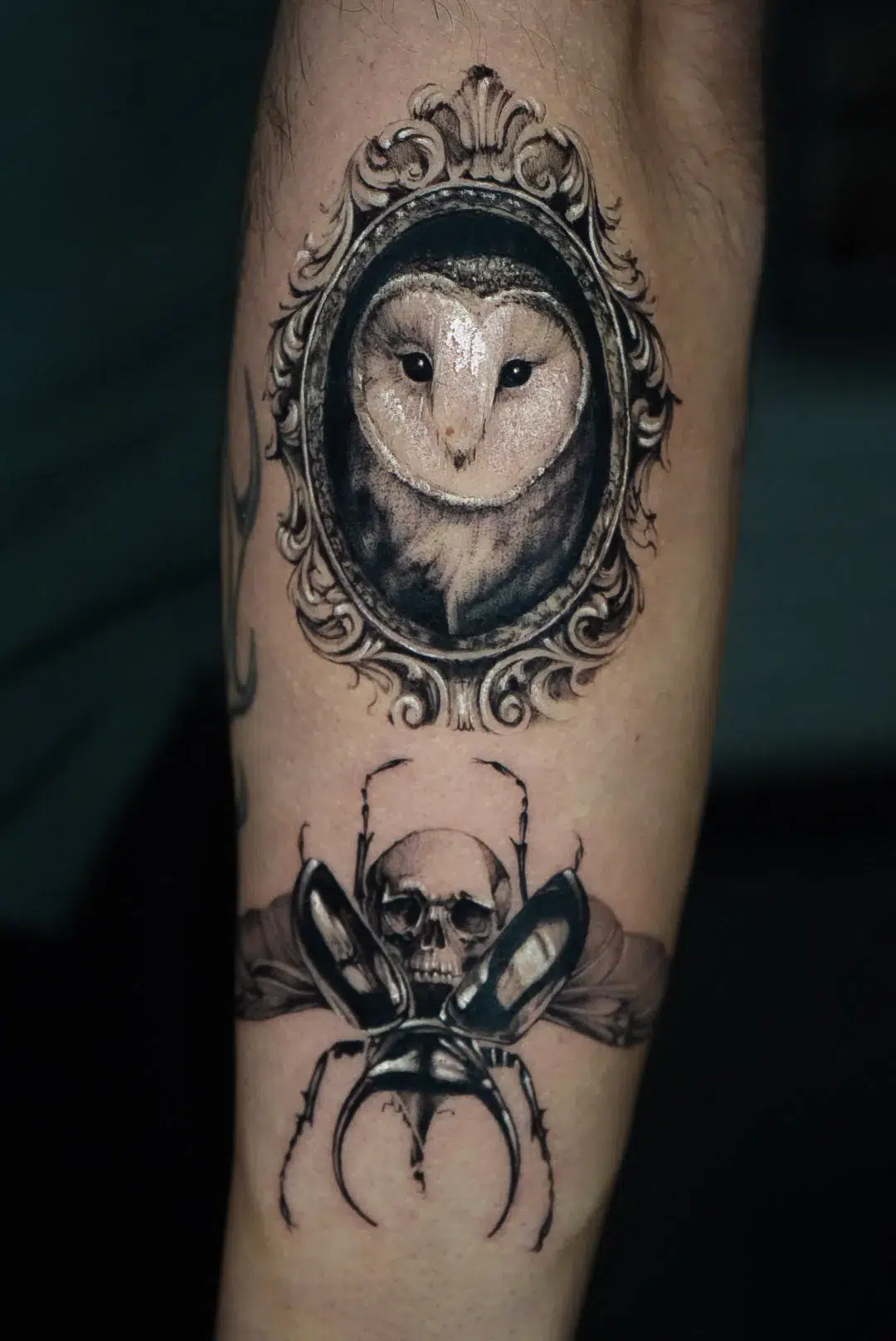
The biggest draw for custom work is the ability to tell a specific story. If you want to combine five different meaningful symbols into one cohesive image, custom is the way to go. It allows for a level of detail and personal significance that pre-made designs just can’t match.
Beyond the meaning, there is a technical advantage. A custom artist looks at the “flow” of your body. They design the piece to wrap around your specific muscle structure, ensuring the art looks natural whether you are standing still or moving. In our studio, we see custom work as a true partnership between your ideas and the artist’s technical skill.
The Tattoo Design Consultation Process
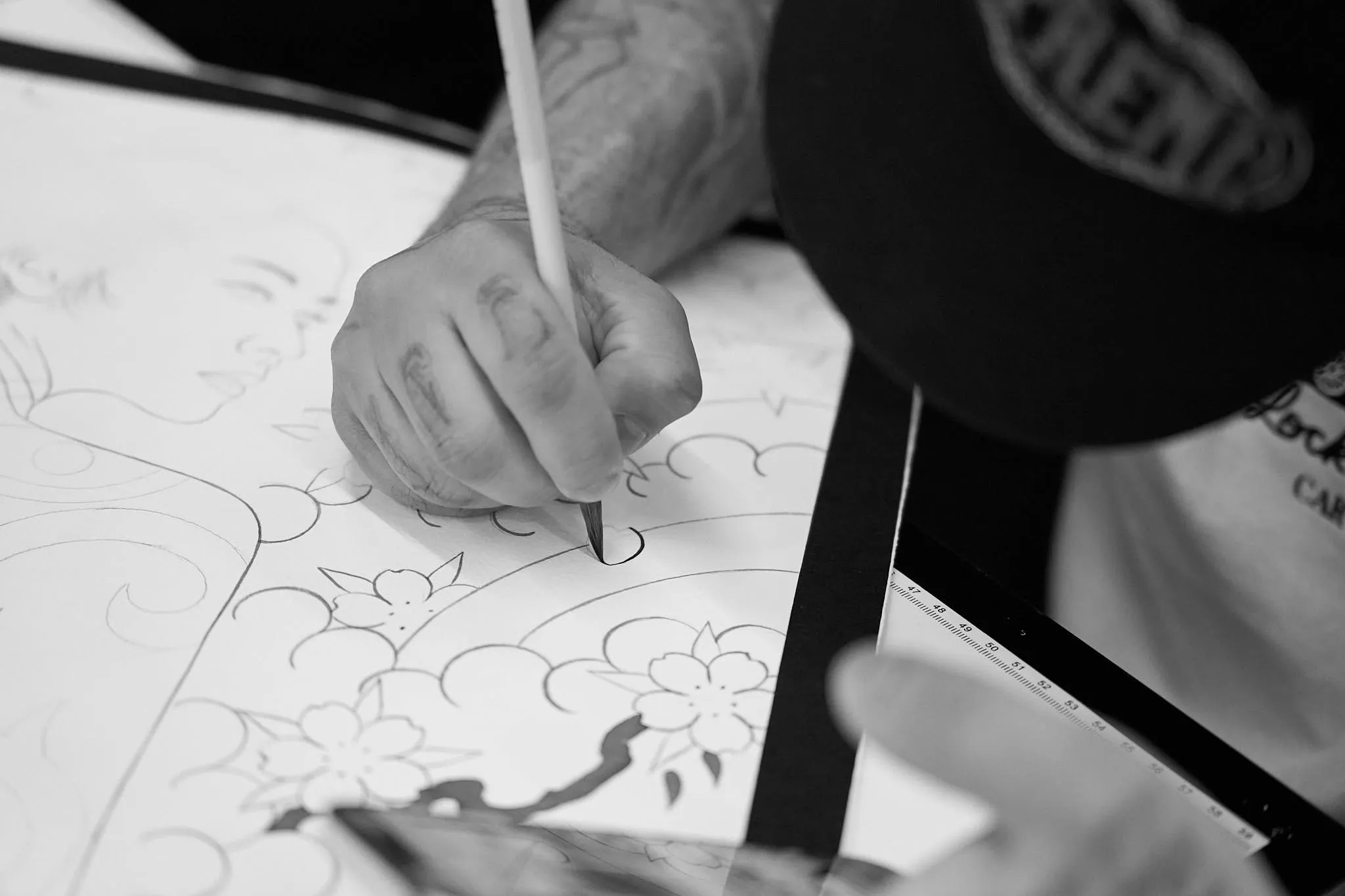
When you go the custom route, the consultation is the most important part of the journey. This is a relaxed meeting where you and your artist get on the same page.
Talking Through Your Ideas
You don’t need to be an artist to have a great consultation. Bringing in a few reference photos, a rough sketch, or even just describing a “feeling” gives the artist a starting point. During this chat, our tattoo artists will talk to you about:
- Sizing: How big the piece needs to be to hold the detail you want.
- Placement: Which parts of the body hold certain types of ink best.
- Style: Whether your idea works better as realism, fine-line, or something more illustrative.
Trusting the Pro
The consultation is also a time to listen to the artist’s feedback. They know how ink settles into the skin over time. If they suggest simplifying a small detail or shifting the placement slightly, it’s usually to make sure the tattoo still looks crisp ten years from now.
Traditional Tattoo Styles: The “Old School” Foundation
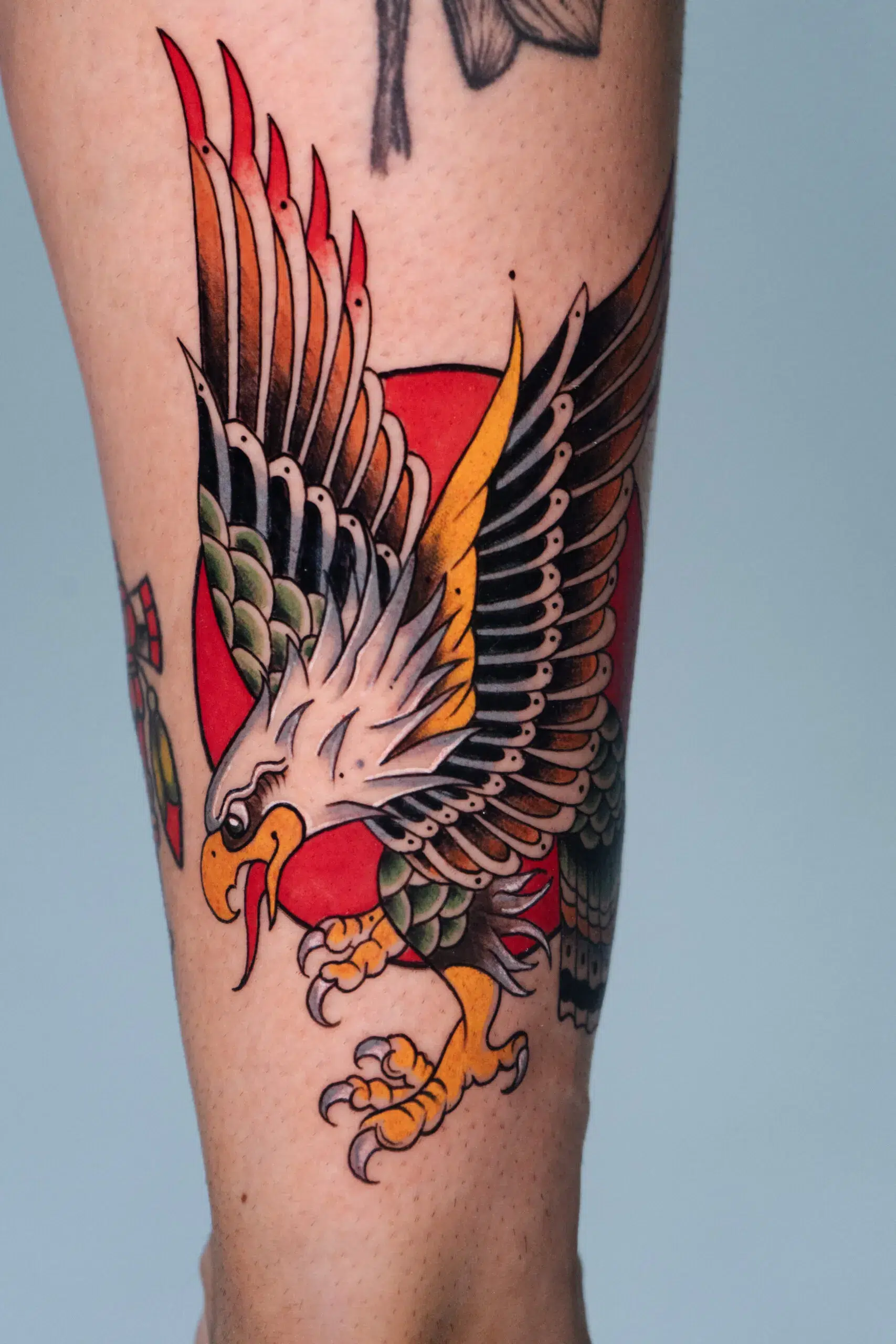
American Traditional tattoos are the designs that built the modern Western tattoo world. Think of the bold, iconic images you might associate with early 20th-century history: anchors, eagles, daggers, and roses.
Characteristics of the Style
Traditional tattoos are easy to spot. They use thick, heavy black outlines and a very specific color palette—usually limited to red, green, gold, and black. There isn’t much “fancy” shading here; the focus is on high contrast and simple, powerful imagery.
Common symbols include:
- The Dagger: Representing justice, sacrifice, and bravery.
- The Swallow: A classic symbol of travel and a safe return home.
- The Ship: Signifying a desire for adventure or a tribute to a life at sea.
- The Rose: A timeless emblem of love and beauty.
History and Modern Cultural Importance of Traditional Styles
Traditional tattooing has a gritty, fascinating heritage. In the early to mid-20th century, these marks were synonymous with sailors, soldiers, and those living on the fringes of society. They served as badges of honor and records of a traveler’s journey. Figures like Sailor Jerry Collins pioneered the techniques and pigments that defined this era, creating a visual language that remains the “gold standard” for many collectors.
Why Traditional Styles Remain Great Today
While we love a hyper-realistic micro-tattoo, traditional styles offer a unique sense of permanence and weight. They carry a historical gravity that newer styles sometimes lack. Culturally, wearing a traditional piece connects you to a lineage of craftsmanship. These tattoos are essentially “bulletproof”; they are designed to age with the wearer without losing their core structure. In a world of ever-changing fashion, the stoic nature of a traditional tattoo provides a classic aesthetic that never goes out of style.
Side-by-Side Comparison: Custom vs. Traditional
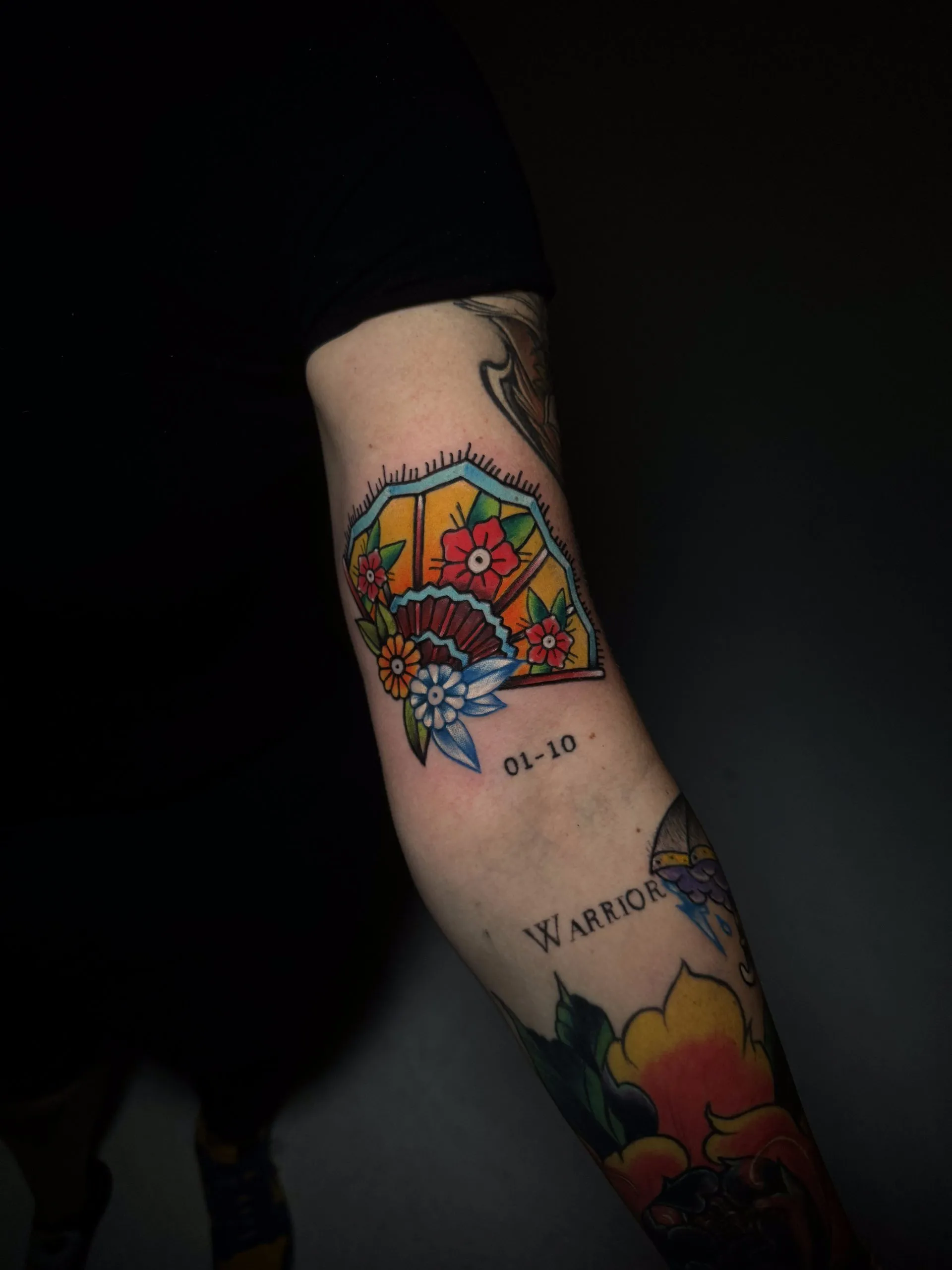
Choosing a style involves weighing your desire for uniqueness against your appreciation for tradition.
Merging the Two: The Inked Studios Approach
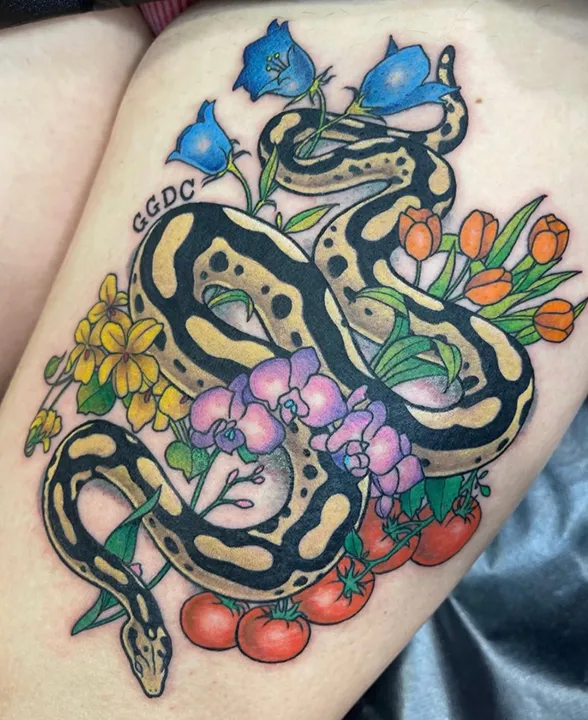
If you love the look of a traditional tattoo but want a custom subject, you can absolutely have both. Many clients at Inked Studios choose to merge these philosophies with a Neo-Traditional tattoo. This style takes the structural integrity of traditional tattooing—the bold lines and saturated colors—and applies them to custom, modern subject matter.
You might have a custom idea for a pet portrait or a favorite movie character, but you want it to have the longevity of a classic piece. Our artists can illustrate your bespoke concept using the technical “rules” of traditional art. This gives you a custom design with the longevity and punch of an old-school piece.
Longevity and Aftercare: Protecting Your Investment
No matter which style you choose, the way you treat your tattoo during the first few weeks determines how it will look forever. Proper aftercare is non-negotiable.
The Basics of Healing
Your artist will likely wrap your tattoo in a protective bandage. Once that comes off, your job is to keep it clean and lightly moisturized. Use a fragrance-free, gentle soap and a very thin layer of ointment. The goal is to keep the skin from drying out without “suffocating” the tattoo with too much product.
Long-Term Maintenance
Sun is the biggest threat to your ink. UV rays break down the pigment in the skin, causing tattoos to fade and blur. Once your tattoo is fully healed, get into the habit of applying sunscreen whenever you’re outside. This simple step keeps your custom colors bright and your traditional blacks deep..
Your Next Step to Great Ink
Whether you are ready to start a full custom sleeve or you want a classic traditional icon to add to your collection, the team at Inked Studios is here to guide you. We combine high-end artistic talent with a clean, professional environment to ensure your tattoo experience is world-class. Ready to get started? Book a free consultation today.
FAQ: Frequently Asked Questions about Las Vegas Tattoos
Which style is more painful?
Pain is subjective and usually depends more on the location on the body than the style of the art. However, traditional tattoos often involve thicker needles and more saturated acking” of color, which some clients find more intense than other, more delicate tattoo styles.
How much do custom tattoos cost?
Our shop minimum is $200, but pricing ultimately varies based on the artist’s experience level, the complexity of the design, and the time required for the session. Custom work typically carries a higher price tag due to the hours spent on the design phase before the actual tattooing begins.
Can I walk in for a traditional tattoo?
Traditional tattoos are often the best for a walk-in appointment (that’s how they first emerged, after all) because many artists keep a book of classic flash ready to go. Custom pieces almost always require a scheduled consultation and a deposit.
How do I choose the right artist?
Reviewing portfolios is essential. An artist who excels at soft black-and-grey realism may not be the best choice for a bold traditional piece. Visit our artists page to find a specialist who matches your vision.